Artificial graphite powder conveying systems are specialized equipment designed to handle and transport artificial graphite powder efficiently and safely. These systems are crucial in various industrial applications, particularly in the manufacturing and processing of graphite-based materials. The design and operation of such systems are tailored to meet the unique properties of artificial graphite, which includes its high conductivity, thermal stability, and lubricating characteristics. Understanding the working principle and key features of these systems is essential for optimizing material handling processes and ensuring operational efficiency. Shandong HeadPowder Engineering Co., Ltd., a leading manufacturer in the field, offers advanced solutions that leverage cutting-edge technology to enhance performance and reliability. With headquarters in Shandong, China, the company specializes in providing customized conveying systems that meet the specific needs of clients across different industries.
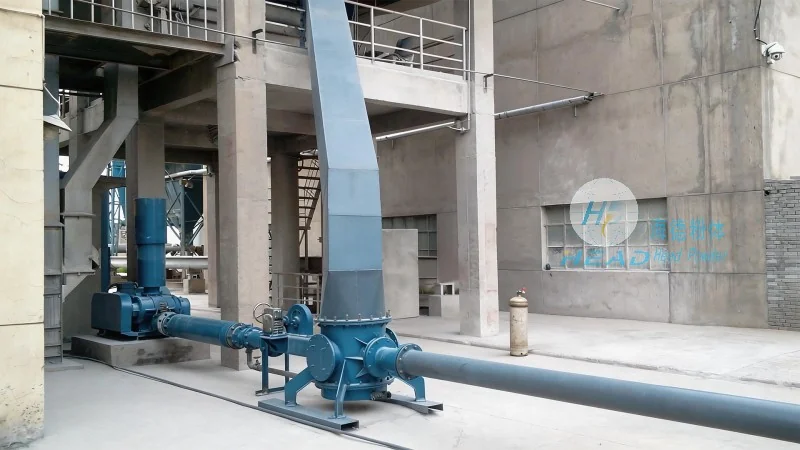
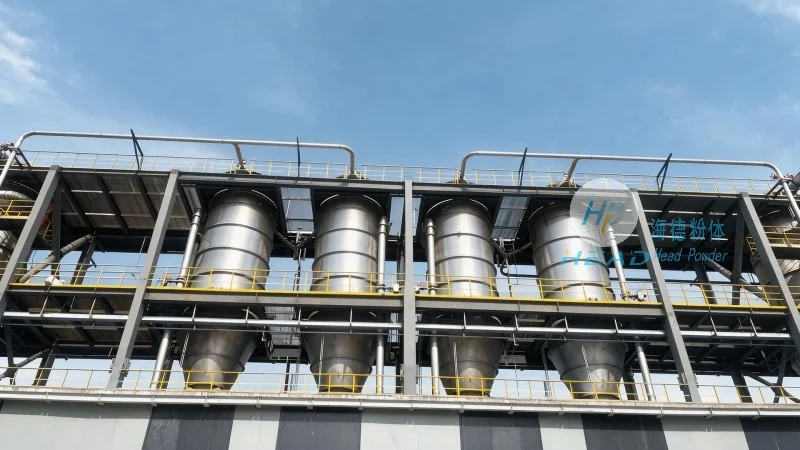
The core working principle of artificial graphite powder conveying systems revolves around the use of pneumatic or mechanical methods to transport the fine powder. Pneumatic conveying systems, for instance, utilize compressed air to create a flow that moves the graphite powder through a network of pipes. This method is particularly effective for handling dry, non-abrasive powders like artificial graphite, as it minimizes particle degradation and contamination. The system typically consists of a hopper for material storage, a feeder to control the flow rate, a conveying line with appropriate ductwork, and a receiver for the delivered material. The air flow is regulated to maintain a consistent velocity, ensuring that the graphite particles are transported without clogging or excessive wear on the system components. Mechanical conveying systems, on the other hand, may employ screw conveyors or belt conveyors, which rely on mechanical motion to move the powder. These systems are often used for bulk material handling and can handle larger particle sizes or more abrasive materials. However, for fine artificial graphite powder, pneumatic systems are generally preferred due to their ability to handle low concentrations of powder and reduce dust generation.
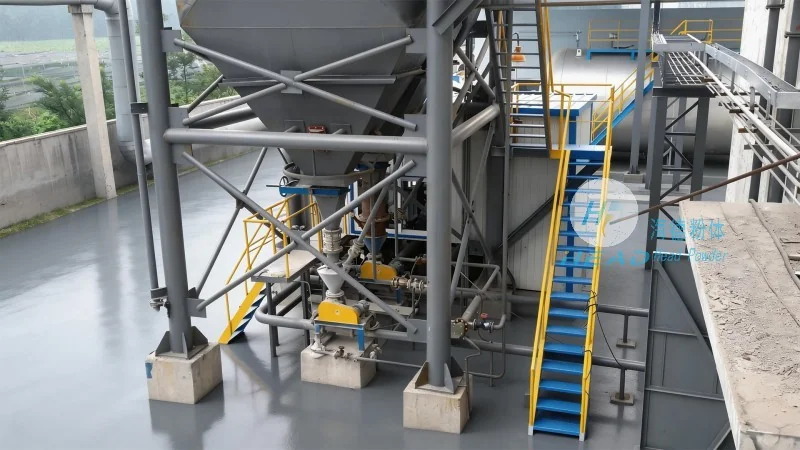
Artificial graphite powder conveying systems are characterized by several key features that enhance their performance and reliability. One of the primary features is the ability to handle fine, dry powders with minimal degradation. The systems are designed to maintain the integrity of the graphite particles, which is critical for applications where the powder's properties, such as conductivity or lubricity, must be preserved. Another important feature is the dust control mechanism. Pneumatic conveying systems often incorporate filtration and dust collection systems to prevent airborne particles from contaminating the environment and to comply with occupational health and safety regulations. This is particularly relevant in industries where graphite is used in high-purity applications, such as electronics or aerospace. Additionally, these systems are equipped with material flow control devices, such as rotary valves or feeders, to regulate the amount of powder being conveyed. This ensures consistent delivery rates and prevents overloading or underloading of downstream equipment. The systems also feature robust construction to withstand the abrasive nature of graphite powder, which can cause wear on metal components over time. Materials like stainless steel or special alloys are commonly used for the conveying lines and components to extend the system's lifespan and maintain performance. Furthermore, the systems are designed for easy maintenance and cleaning, with access points for inspection and replacement of parts. This reduces downtime and ensures continuous operation in industrial settings.
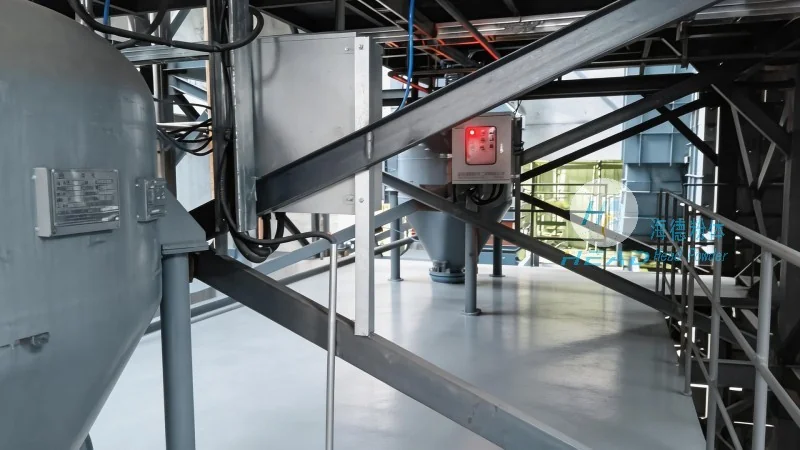
The artificial graphite powder conveying systems are widely used in various industries due to their versatility and efficiency. In the battery manufacturing industry, these systems are essential for transporting graphite powders used in lithium-ion batteries, where the material's high conductivity is critical for battery performance. The systems ensure that the graphite is delivered to the mixing and coating processes without contamination or loss of quality. In the lubricant and additive industry, artificial graphite is used as a solid lubricant in high-temperature applications. The conveying systems efficiently transport the powder to production lines, maintaining the purity and consistency of the final product. The automotive industry also benefits from these systems, as graphite is used in brake pads and clutch components. The ability to handle fine powders with precision ensures that the final components meet the required standards for performance and durability. Another significant benefit of these systems is their ability to handle large volumes of material with minimal labor. Automated control systems can regulate the flow rate and operation of the system, reducing the need for manual intervention and improving overall productivity. The systems also contribute to cost savings by minimizing material waste and reducing the need for manual handling, which can be hazardous due to the fine nature of the powder. Overall, the artificial graphite powder conveying systems play a vital role in optimizing material handling processes and ensuring the quality and consistency of graphite-based products across various industrial applications.

 Shandong Headpowder Engineering Co., Ltd.
 156-6277-7102(Manager Zhang)
  0531-83386006
  Jinan City, Shandong Province, China
telephone
WeChatconsult
top