Bulk material conveying systems in silos are critical components in industrial processes, designed to efficiently transport powders and granules from storage silos to processing or packaging units. These systems are integral to maintaining smooth production workflows, ensuring consistent material flow, and optimizing operational efficiency in various industries such as food processing, pharmaceuticals, and chemical manufacturing. Developed by Shandong HeadPowder Engineering Co., Ltd., these systems leverage advanced engineering and materials to meet the diverse needs of modern industrial applications.
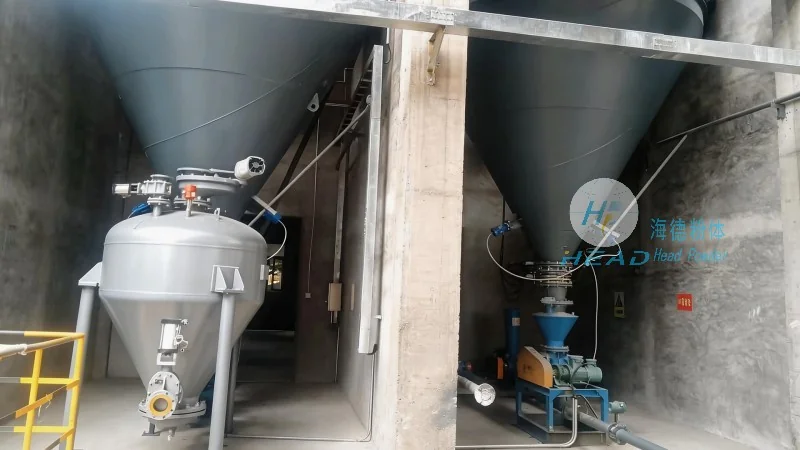
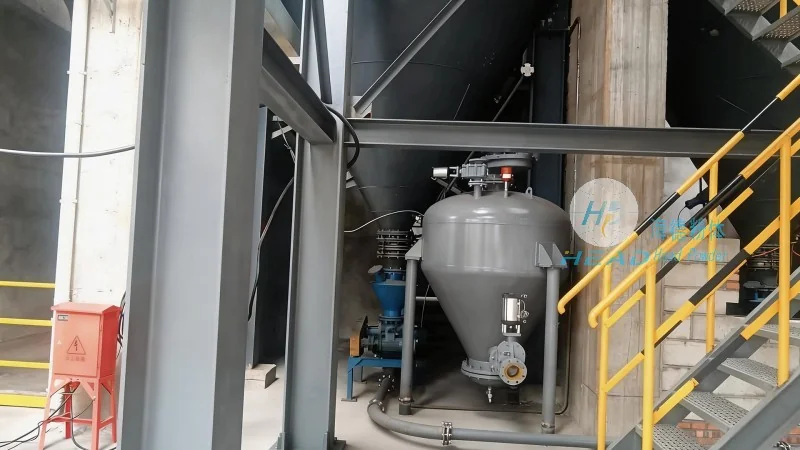
The core working principle of silo bulk material conveying systems revolves around the use of mechanical or pneumatic mechanisms to move bulk materials. Typically, these systems consist of a hopper or silo that stores the material, a conveyor (like a screw conveyor, pneumatic duct, or bucket elevator), and control mechanisms that regulate the flow. The process begins when the material is released from the silo, either by gravity or through a controlled discharge mechanism. The conveyor then transports the material to the desired destination, such as a mixer, dryer, or packaging machine. In pneumatic systems, compressed air is used to create a pressure differential, drawing the material through a pipeline. Mechanical systems, on the other hand, rely on rotating components (e.g., screws or buckets) to push or lift the material. The control system monitors and adjusts the flow rate, pressure, or speed to maintain optimal performance and prevent issues like blockages or overloading.
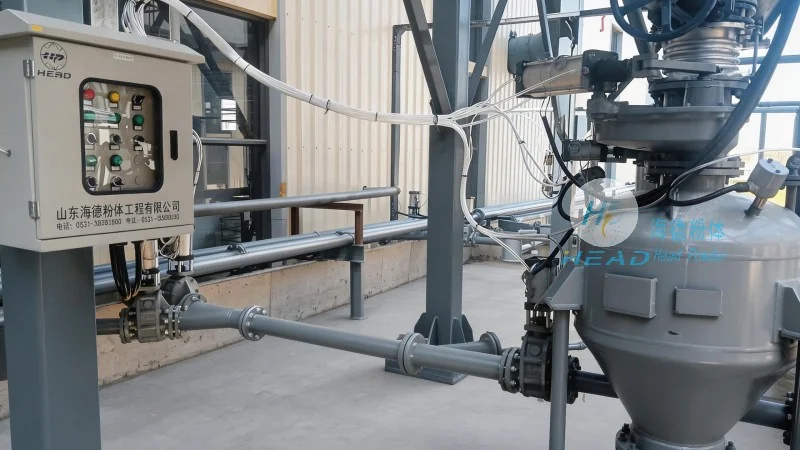
Effective silo bulk material conveying systems exhibit several key features that enhance their performance and reliability. First, they are designed for high efficiency, minimizing energy consumption while maximizing material throughput. This is achieved through optimized conveyor designs, such as variable speed drives and adjustable discharge rates. Second, these systems prioritize safety and durability, incorporating robust materials (e.g., stainless steel or corrosion-resistant alloys) to withstand harsh environments and prevent material contamination. Third, they offer flexibility in terms of material handling, accommodating a wide range of bulk materials, including powders, granules, and even abrasive substances. Fourth, advanced control systems enable precise monitoring and automation, allowing operators to adjust parameters in real-time and respond to changes in production demands. Additionally, many modern systems include features like dust suppression and explosion-proof designs, ensuring compliance with safety regulations and protecting against potential hazards.
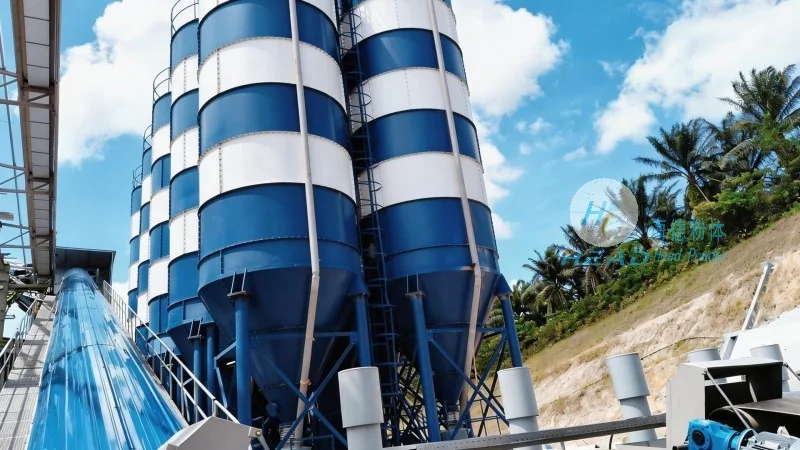
Silo bulk material conveying systems find applications across diverse industries, including food and beverage, pharmaceuticals, chemicals, and mining. In the food industry, these systems are used to transport ingredients like flour, sugar, and spices from silos to processing lines, ensuring hygienic and efficient handling. In pharmaceutical manufacturing, they facilitate the transport of raw materials and intermediates, maintaining strict contamination control and adherence to regulatory standards. In the chemical industry, they handle various powders and granules, supporting processes like mixing, drying, and packaging. The benefits of these systems extend beyond efficiency, as they reduce labor costs, minimize material waste, and improve overall production consistency. By automating the material handling process, they also enhance workplace safety by eliminating manual handling of heavy or hazardous materials.

 Shandong Headpowder Engineering Co., Ltd.
 156-6277-7102(Manager Zhang)
  0531-83386006
  Jinan City, Shandong Province, China
telephone
WeChatconsult
top