

Working Principle and Features of Calcium Powder Material Handling Systems
Calcium powder material handling systems are essential for efficient and safe transportation of calcium powder in industrial settings. These systems are designed to handle the unique properties of calcium powder, such as its fine particle size and potential for dust generation, ensuring that the material is moved from one location to another without loss or contamination. The core of such systems lies in their ability to maintain material integrity while optimizing operational efficiency. Developed by Shandong HeadPowder Engineering Co., Ltd., a leading manufacturer in the field, these systems combine advanced technology with robust construction to meet the demanding requirements of modern industrial applications.

Working Principle of Calcium Powder Material Handling Systems
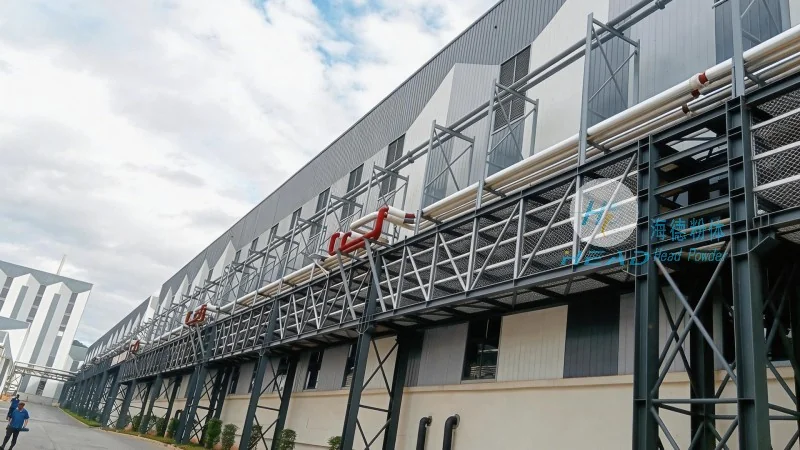
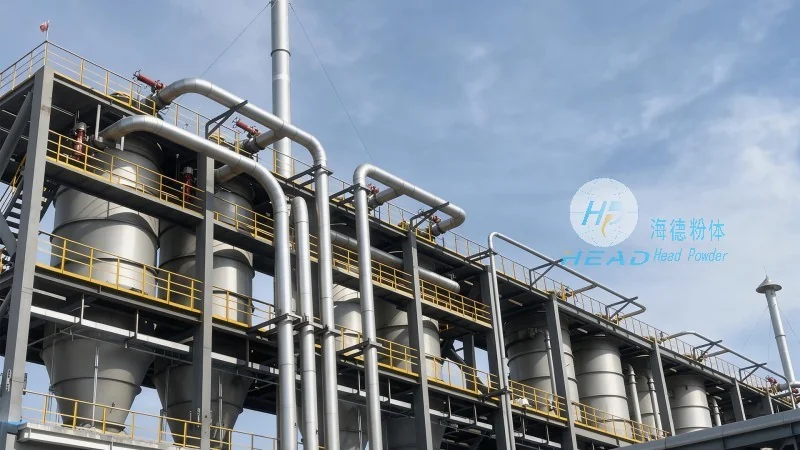
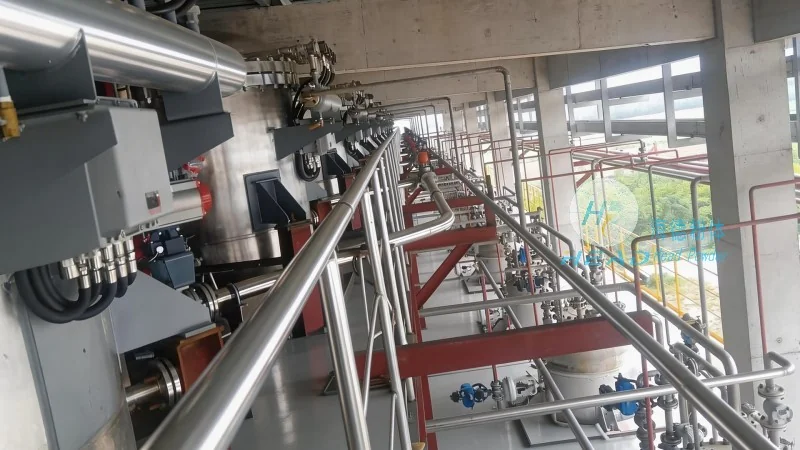
The working principle of a calcium powder material handling system is built upon a series of interconnected components that work together to ensure the safe and efficient transport of calcium powder. The process begins with a feeding unit, which is responsible for accurately measuring and controlling the flow of the powder into the system. Common feeding mechanisms include rotary airlock valves and screw feeders, both of which are designed to handle fine powders without causing blockages or uneven flow. The feed unit connects to a pipeline system, which may consist of flexible hoses or rigid ducts, depending on the application and distance to be covered. For horizontal or short-distance transport, gravity-fed systems are often used, where the powder flows through the pipeline due to gravity. However, for vertical or longer distances, pneumatic conveying systems are employed. In pneumatic systems, compressed air or other gases are introduced into the pipeline, creating a flow that propels the calcium powder through the system. The air-powder mixture is then separated at the discharge point, with the powder collected in a hopper or storage bin and the air directed to a dust collection system. The system also includes control valves and pressure regulators to maintain consistent pressure and flow rates, preventing overpressure or underflow conditions that could damage equipment or disrupt the process. Sensors are integrated throughout the system to monitor key parameters such as pressure, flow rate, and material level, providing real-time data for process control and system optimization. This closed-loop control ensures that the system operates at peak efficiency, minimizing energy consumption and maximizing material throughput.
Key Features of Calcium Powder Material Handling Systems
Calcium powder material handling systems are distinguished by several critical features that address the unique challenges of handling fine, dusty materials. One of the most important features is the use of high-quality, corrosion-resistant materials for the construction of the system components. Stainless steel, for example, is commonly used for pipelines, valves, and hoppers due to its resistance to chemical corrosion and abrasion from the calcium powder. This ensures the longevity and reliability of the system over time. Another key feature is the advanced dust control technology integrated into the system. Dust collection systems, such as cyclones or baghouses, are employed to capture airborne particles, preventing environmental contamination and maintaining a safe working environment. The system also includes filtration and cleaning mechanisms to ensure that the collected dust is properly disposed of or reused, depending on the application. The design of the system is also focused on flexibility and adaptability. It can be customized to fit various industrial layouts, with the ability to connect to existing infrastructure or to be part of a larger material handling network. This modularity allows for easy expansion or integration with other processing equipment. Furthermore, the systems are engineered for low maintenance and high operational reliability. Accessible components and user-friendly control interfaces simplify routine maintenance, reducing downtime and operational costs. The integration of automation and sensors provides real-time monitoring and diagnostic capabilities, enabling proactive maintenance and quick resolution of any issues that may arise. This not only improves system performance but also enhances overall operational efficiency.