

Working Principle and Characteristics of Regenerated Sand Powder Pneumatic Conveying
Regenerated sand powder pneumatic conveying is a critical technology in the foundry industry, designed to efficiently transport fine powders like regenerated sand. This method leverages air pressure to move materials, offering advantages over traditional mechanical conveying systems. The following sections will explore the working principle and key characteristics of this process, providing a comprehensive understanding for professionals in the field.
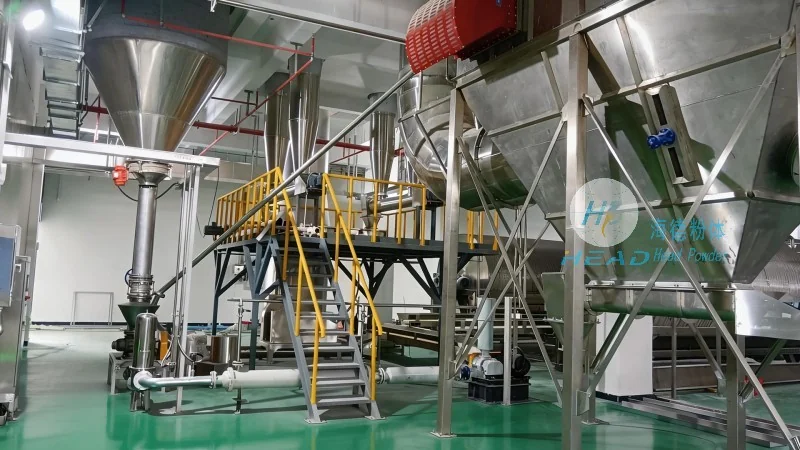
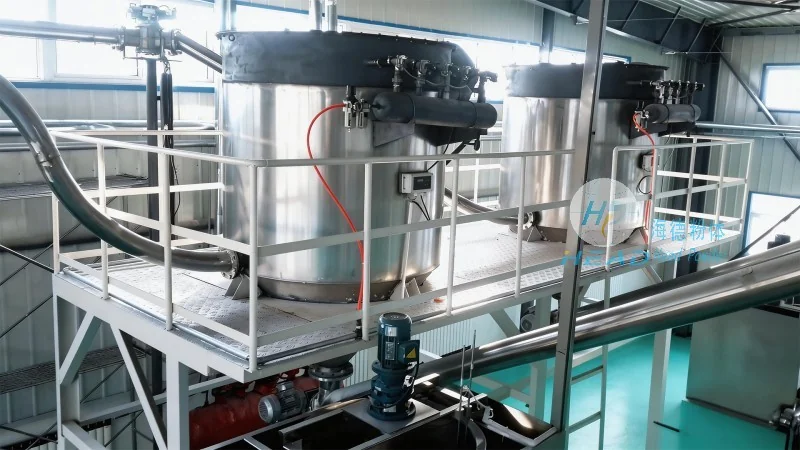
Working Principle of Regenerated Sand Powder Pneumatic Conveying
The core of pneumatic conveying for regenerated sand involves creating a pressure differential between the conveying line and the ambient environment. The system typically operates under either positive or negative pressure, depending on the application. In positive pressure systems, air is blown into the conveying line, generating a high-pressure air stream that propels the sand particles forward. Conversely, negative pressure systems draw air and sand particles into the line using a vacuum, pulling them from the source to the destination. The process begins with the sand being fed into the hopper, where it is then introduced into the air stream. The air-sand mixture travels through the pipeline, with the sand particles suspended by the air flow. At the receiving end, the air is separated from the sand, often using cyclones or filters, allowing the sand to be deposited in the target container. This continuous flow ensures efficient and consistent material transport, minimizing material loss and contamination.
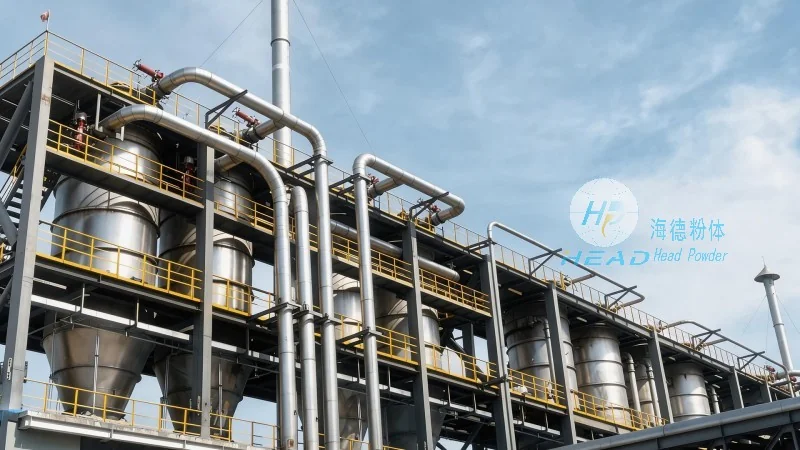
Key Characteristics of Regenerated Sand Powder Pneumatic Conveying
Several distinct characteristics define the performance of pneumatic conveying systems for regenerated sand. First, the system offers high flexibility in terms of layout and routing. Unlike traditional belt or bucket elevators, pneumatic conveyors can be installed in various configurations, including vertical, horizontal, or a combination of both, to suit the spatial constraints of a foundry. This adaptability is particularly valuable in facilities with limited space or complex layouts. Second, the technology provides excellent dust control. By enclosing the entire conveying process, the system prevents dust from escaping into the environment, which is crucial for maintaining a safe and clean workplace. This also reduces the risk of material contamination, as the sand remains contained within the system. Third, pneumatic conveying is highly efficient in terms of energy consumption. Compared to mechanical systems, which often require high torque and friction, pneumatic systems use air pressure to move materials, resulting in lower energy costs and reduced wear on components. This efficiency is further enhanced by the ability to adjust the air flow rate to match the material's properties, optimizing the conveying process for different sand types. Fourth, the system is capable of handling a wide range of particle sizes and moisture contents. Regenerated sand, which often contains fine particles and residual moisture, can be effectively conveyed without clogging or degradation. The air flow helps to break up agglomerates and maintain the uniformity of the sand particles, ensuring consistent quality in the final product. Finally, the technology offers easy integration with other foundry processes. Pneumatic conveyors can be connected to sand mixing, molding, or casting lines, enabling seamless material flow from one stage to the next. This integration improves overall production efficiency and reduces downtime by eliminating the need for manual handling or intermediate storage.
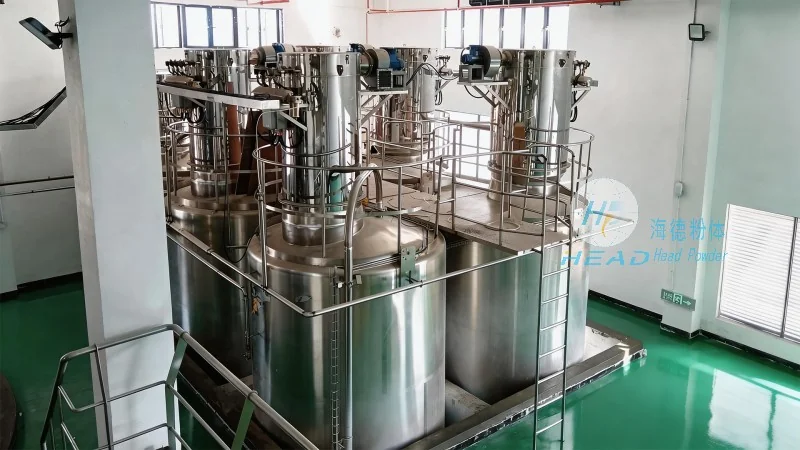
Application and Benefits in Foundry Operations
Regenerated sand powder pneumatic conveying is widely used in modern foundries to manage the recycling and transport of sand. The primary benefit is the reduction in material waste and cost savings. By recycling sand multiple times, foundries can significantly lower their raw material expenses and minimize environmental impact. The efficient conveying system ensures that the sand is returned to the molding process in optimal condition, maintaining the quality of the castings. Additionally, the system enhances production speed and reliability. With automated material transport, the risk of human error and material loss is minimized, leading to consistent output and reduced production delays. The dust control aspect also contributes to a safer working environment, as it prevents respiratory issues and other health hazards associated with fine sand particles. Overall, the implementation of pneumatic conveying for regenerated sand has become a standard practice in the industry, driven by its ability to improve operational efficiency, reduce costs, and enhance workplace safety.