

Working Principle and Features of Caustic Soda Material Pneumatic Conveying Line
Caustic soda, also known as sodium hydroxide, is a widely used chemical in various industrial processes. The efficient and safe transportation of caustic soda materials is crucial for industrial operations. This article explores the working principle and key features of a pneumatic conveying line designed for caustic soda material handling, provided by Shandong HeadPowder Engineering Co., Ltd., a leading company in the field.
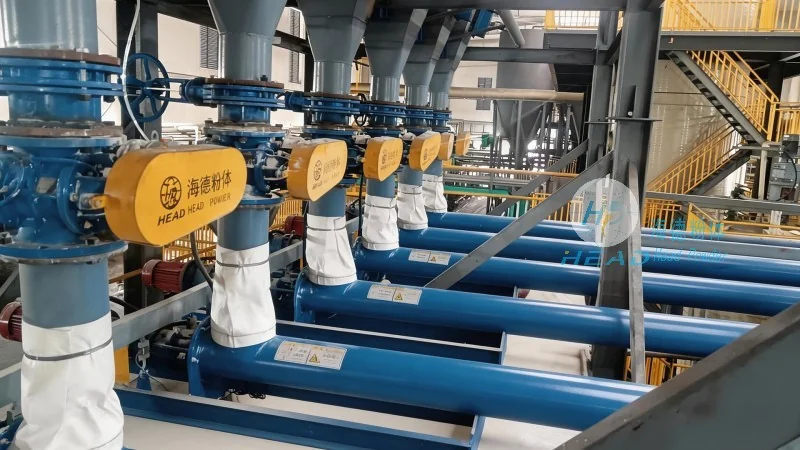
Introduction to Caustic Soda Pneumatic Conveying Systems
Caustic soda is often handled in bulk quantities, requiring reliable and efficient transport solutions. Pneumatic conveying systems offer a non-contact, low-cost method for moving caustic soda from one location to another. These systems utilize air or other gases to transport the material through a pipeline network, eliminating the need for mechanical components that might come into direct contact with the caustic soda, thus reducing the risk of contamination and equipment wear.
The Working Principle of Caustic Soda Pneumatic Conveying Lines
The core working principle of a caustic soda pneumatic conveying line involves the use of a pressure or vacuum system to move the material. In a typical positive pressure system, a blower or compressor generates compressed air that is introduced into the conveying line at the inlet. The caustic soda material is then fed into the line, where it is entrained by the air stream and carried to the destination. The air and material mixture travels through the pipeline, and at the receiving end, the material is separated from the air using a separator or cyclone. The separated air is then discharged, while the caustic soda is collected in a hopper or storage tank.
In a negative pressure system, a vacuum pump creates a low-pressure environment at the receiving end, drawing the material and air mixture into the line. The material is then transported towards the discharge point, where the air and material are separated. Both systems are designed to handle caustic soda efficiently, ensuring minimal product loss and consistent flow rates.
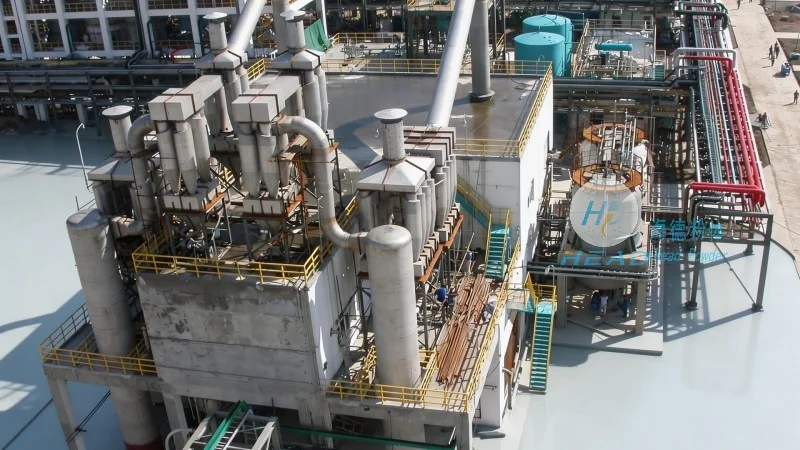
Key Features of Caustic Soda Pneumatic Conveying Lines
Shandong HeadPowder Engineering Co., Ltd. specializes in designing and manufacturing high-quality caustic soda pneumatic conveying lines with several notable features. One of the primary features is the ability to handle caustic soda in its various forms, including solid flakes, granules, or powder. The systems are constructed from materials that are resistant to corrosion and chemical attack, such as stainless steel or specialized alloys, ensuring long-term durability and safety.
Another key feature is the system's flexibility in terms of layout and capacity. The conveying lines can be customized to fit specific plant layouts, with the ability to transport materials over long distances and through multiple stages. The systems also incorporate advanced control mechanisms that allow for precise regulation of flow rates, pressure, and air volume, ensuring optimal performance and minimal energy consumption.
Additionally, the caustic soda pneumatic conveying lines from HeadPowder are equipped with safety features to prevent accidental spills or leaks. These include pressure relief valves, emergency shut-off systems, and material flow monitors. The systems are also designed to minimize dust generation and air pollution, with features such as dust collection and filtration to comply with environmental regulations.
Benefits of Using Caustic Soda Pneumatic Conveying Lines
The implementation of a caustic soda pneumatic conveying line offers several benefits for industrial operations. Firstly, it provides a safe and efficient method for handling caustic soda, reducing the risk of accidents and exposure to the material. The non-contact nature of the system minimizes the risk of contamination and equipment damage, leading to lower maintenance costs and longer equipment life.
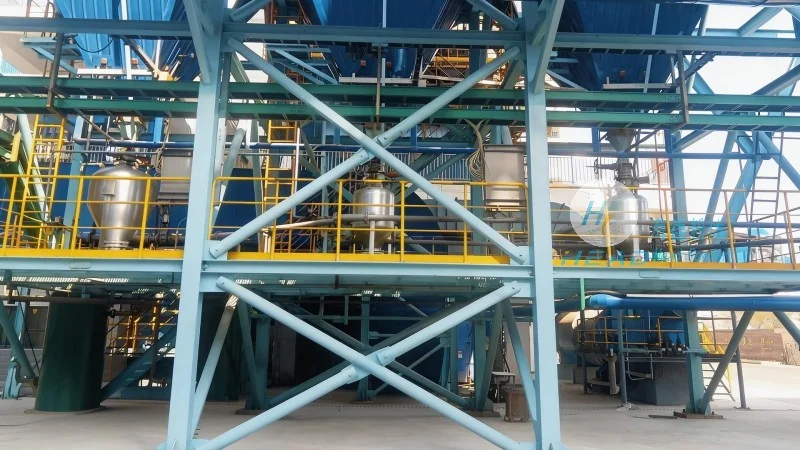
Secondly, the systems offer high throughput and consistent performance, ensuring that production processes are not interrupted by material handling delays. The ability to transport caustic soda over long distances without the need for intermediate storage or handling reduces operational costs and improves overall efficiency.
Thirdly, the systems are designed to be energy-efficient, with advanced control systems that optimize air usage and reduce energy consumption. This not only lowers operational costs but also contributes to a more sustainable and environmentally friendly operation.
Conclusion
Caustic soda pneumatic conveying lines are essential for the efficient and safe handling of caustic soda materials in industrial applications. The working principle, which involves the use of air or vacuum to transport the material, combined with key features such as corrosion resistance, flexibility, and safety, makes these systems a preferred choice for many industries. Shandong HeadPowder Engineering Co., Ltd. provides high-quality solutions tailored to the specific needs of their clients, ensuring reliable and efficient caustic soda material handling. By investing in a pneumatic conveying line, industrial operations can enhance safety, improve efficiency, and reduce costs, contributing to overall operational success.