

Principle and Working Scene Characteristics of Copper Sulfate Pneumatic Conveying
HeadPowder, a leading provider in the field of material handling solutions, specializes in the efficient and reliable transportation of bulk materials such as copper sulfate through pneumatic conveying systems. This article delves into the fundamental principles of copper sulfate pneumatic conveying and highlights the key characteristics of its operational environments.
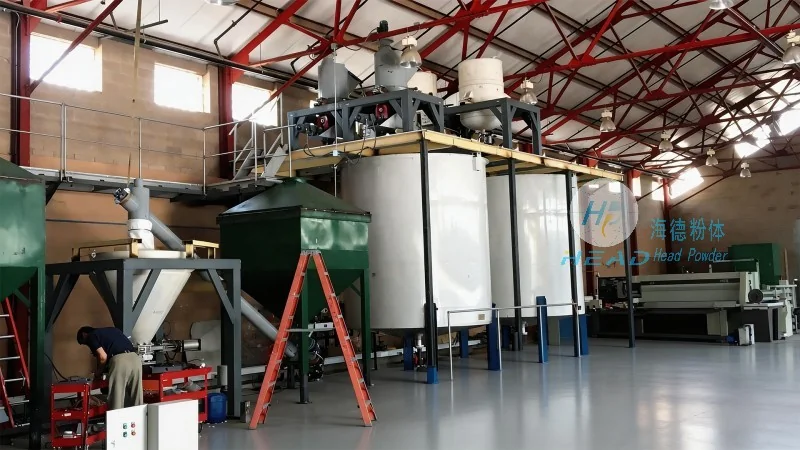
Company Profile and Background
Shandong HeadPowder Engineering Co., Ltd., based in Shandong, China, is dedicated to advancing industrial material handling technologies. With years of expertise, the company has developed advanced pneumatic conveying solutions tailored to meet the demands of various industrial applications, ensuring optimal performance and safety in material transport processes.
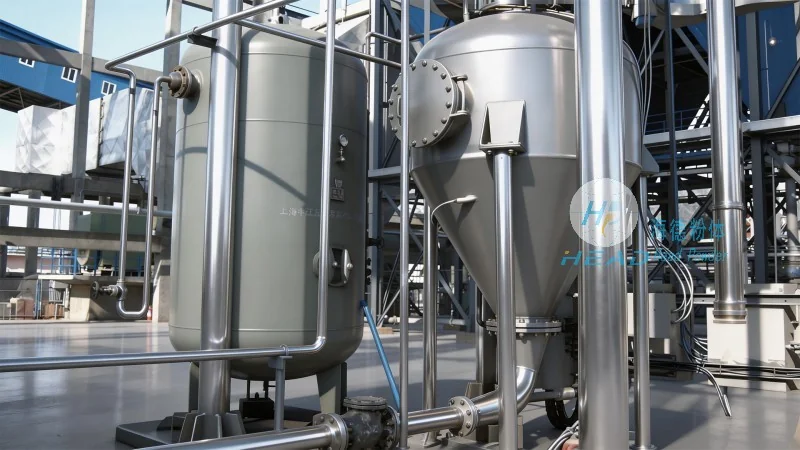
Principle of Copper Sulfate Pneumatic Conveying
Pneumatic conveying, also known as air conveying, is a method that uses compressed air or gas to transport bulk materials through a pipeline system. In the case of copper sulfate, this process involves several key components and mechanisms. The primary principle is the creation of a flow of air that lifts and moves the solid particles of copper sulfate along the pipeline. This is achieved by generating sufficient air velocity within the conveying line, which overcomes the gravitational forces acting on the particles. The system typically includes a hopper for material storage, a feeder to control the flow rate, a conveying line, and a receiver to collect the transported material. The air flow is generated by a blower or compressor, which provides the necessary pressure and volume to move the material efficiently. The design of the system, including the size of the pipeline, the type of air nozzle, and the velocity of the air, is critical to ensure effective and continuous conveying of copper sulfate without clogging or degradation of the material.
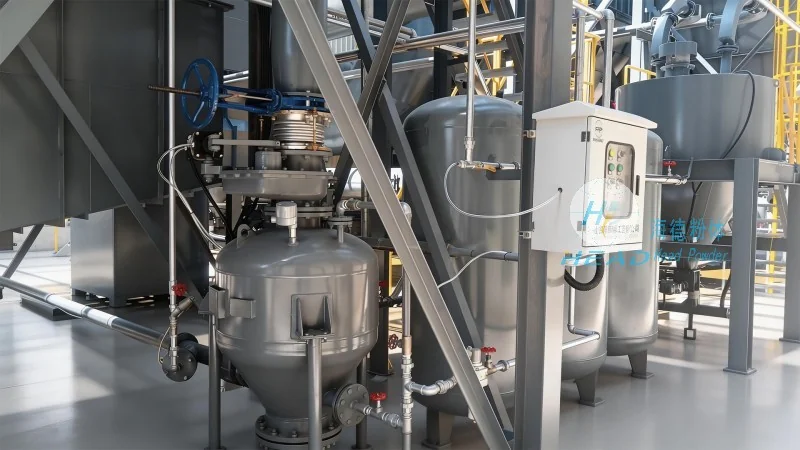
Working Scene Characteristics of Copper Sulfate Pneumatic Conveying
The operational environments for copper sulfate pneumatic conveying vary based on the specific industrial applications and the scale of the operation. These characteristics include factors such as the material's physical properties, the required conveying distance, the ambient conditions, and the integration with other processing equipment. In industrial settings, copper sulfate is often used in processes like chemical manufacturing, water treatment, and agricultural applications. The working scene may involve large-scale production facilities where high throughput is required, or smaller-scale operations in research and development labs. The characteristics of the working scene also influence the choice of conveying system, such as whether a positive or negative pressure system is used. Positive pressure systems are commonly employed for long-distance conveying and when the material is sensitive to moisture or contamination, as they provide better control over the air flow and material handling. Negative pressure systems, on the other hand, are suitable for short-distance conveying and when the material is less sensitive to air exposure. Additionally, the working scene may require considerations for dust control and environmental compliance, as copper sulfate is a fine powder that can generate dust during handling. Proper ventilation and filtration systems are essential to maintain a safe and clean working environment. The integration of the pneumatic conveying system with other equipment, such as mixers, reactors, or storage tanks, is another key aspect of the working scene. This integration ensures smooth material flow from the source to the destination, minimizing downtime and maximizing operational efficiency. The characteristics of the working scene also impact the maintenance and operational costs of the system. Regular maintenance of the components, such as the blower, feeder, and pipeline, is crucial to prevent breakdowns and ensure consistent performance. The choice of materials for the pipeline and components, such as stainless steel or plastic, is influenced by the chemical properties of copper sulfate, which can be corrosive in certain conditions. Overall, the working scene characteristics play a significant role in determining the effectiveness and reliability of the copper sulfate pneumatic conveying system, making it a critical aspect of industrial material handling.