

What Are the Methods for Transporting Light Calcium Carbonate?
Light calcium carbonate, a widely used industrial material, requires efficient and reliable transportation methods to ensure its proper delivery to various applications. The choice of transport method depends on factors such as the material's properties, the distance of transport, and the specific requirements of the end-user. This article explores several common methods for transporting light calcium carbonate, highlighting the importance of selecting the right approach for optimal performance and cost-effectiveness.
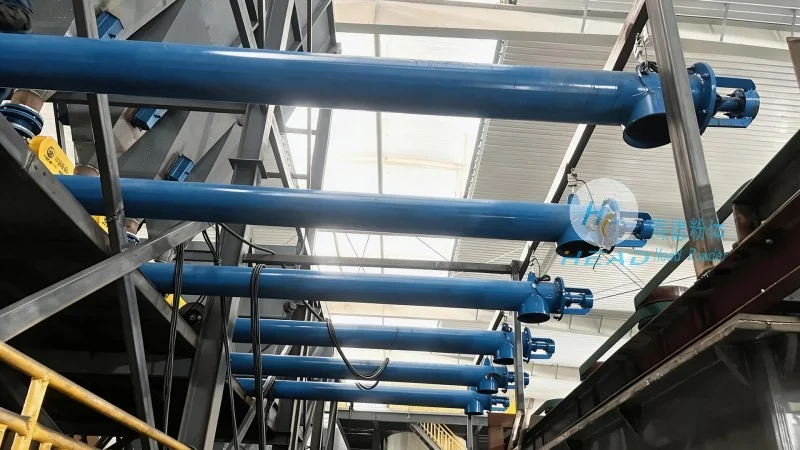
1. Bulk Handling and Storage Solutions
For large-scale operations, bulk handling and storage solutions are often the most efficient way to transport light calcium carbonate. Companies like Shandong HeadPowder Engineering Co., Ltd. specialize in providing comprehensive systems that include silos, hoppers, and conveyor systems designed to handle and transport the material in bulk. These systems are engineered to minimize dust generation and ensure consistent flow, which is crucial for maintaining product quality during transport. The use of high-quality equipment from reputable manufacturers, such as HeadPowder, ensures that the material is handled gently, preventing agglomeration and preserving its fine particle structure. This approach is particularly suitable for industrial applications where large quantities of light calcium carbonate are needed, such as in the production of plastics, coatings, and paper.
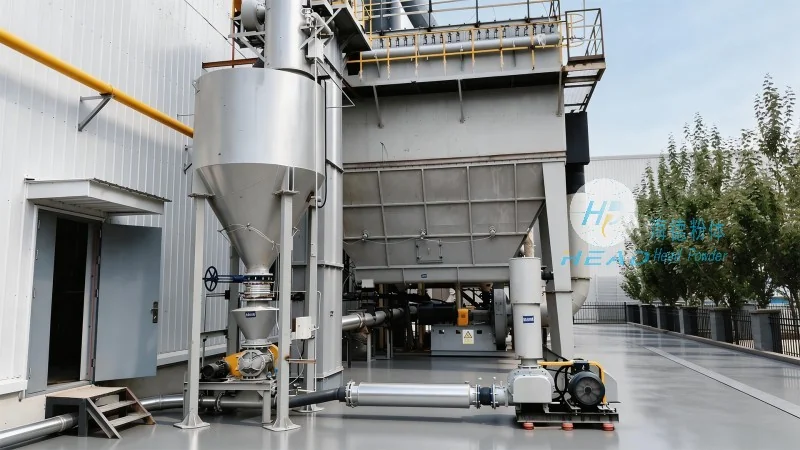
2. Pneumatic Conveying Systems
Pneumatic conveying is another effective method for transporting light calcium carbonate, especially over shorter distances or within a facility. This technique involves using air pressure to move the material through a pipeline. The system typically consists of a blower, a hopper, and a receiving container. The light calcium carbonate is fed into the hopper and then carried by the air flow through the pipeline to the destination. Pneumatic conveying offers advantages such as the ability to transport the material without direct contact with machinery, reducing the risk of contamination and wear. It also allows for flexible routing of the material, making it suitable for complex layouts in industrial settings. However, it requires careful consideration of air pressure and flow rates to ensure efficient and consistent transport. Proper maintenance of the system is essential to prevent blockages and maintain performance.
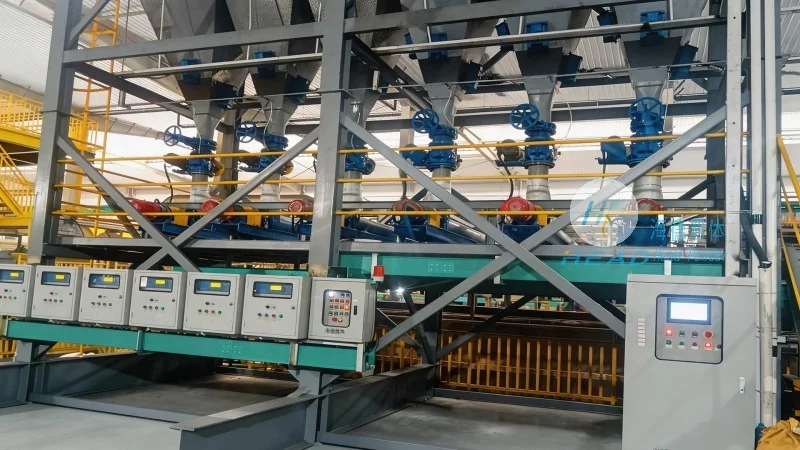
3. Bagging and Packaging for Small-Scale Transport
For smaller quantities or when transporting light calcium carbonate to end-users who require packaged products, bagging and packaging methods are commonly used. This approach involves filling the material into bags or containers, which are then sealed and transported. The choice of packaging material, such as woven polypropylene bags or plastic containers, depends on the specific properties of the light calcium carbonate and the requirements of the application. For example, some applications may require moisture-resistant packaging to prevent the material from absorbing moisture during transport. Companies like HeadPowder provide high-quality packaging solutions that ensure the integrity of the product and meet industry standards. This method is particularly useful for transporting light calcium carbonate to customers who need it for specific projects or for use in smaller-scale applications, such as in the production of cosmetics or food additives.
4. Truck and Rail Transport for Long-Distance Delivery
For long-distance transportation, truck and rail transport are the primary methods used to move light calcium carbonate from the production facility to various locations. Trucks are commonly used for shorter distances, while rail transport is more suitable for longer distances or bulk shipments. The material is typically loaded into specialized trailers or railcars designed to handle bulk materials. Proper loading techniques are essential to prevent spillage and ensure the material remains contained during transport. The use of sealed containers or covered trailers helps maintain the quality of the light calcium carbonate and prevents exposure to the elements. Companies like Shandong HeadPowder Engineering Co., Ltd. often collaborate with logistics partners to ensure timely and efficient delivery of their products. This method is crucial for reaching customers in different regions and meeting the demand for light calcium carbonate in various industries.
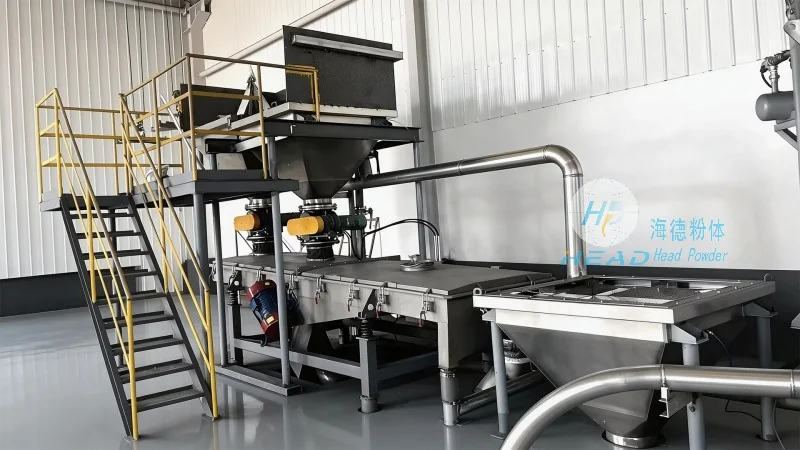
5. Specialized Equipment for Handling Fine Particles
Light calcium carbonate is a fine powder, and its transportation requires specialized equipment to prevent clogging and ensure smooth flow. Equipment such as rotary valves, screw conveyors, and vibrating feeders are commonly used to handle the material. These devices are designed to handle fine particles and maintain consistent flow rates, which is essential for efficient transport. The choice of equipment depends on the specific characteristics of the light calcium carbonate, such as its particle size distribution and moisture content. Proper maintenance of these devices is critical to prevent wear and tear and ensure long-term performance. Companies specializing in light calcium carbonate, like HeadPowder, provide tailored equipment solutions that meet the unique needs of their clients. This ensures that the material is transported safely and efficiently, minimizing downtime and maximizing productivity.