

Principle and Working Scene Characteristics of Powder and Flour Conveying Lines
Shandong HeadPowder Engineering Co., Ltd., a professional manufacturer based in Shandong, China, specializes in the design, development, and production of advanced powder and flour conveying systems. The company's core products, such as the powder and flour conveying lines, are engineered to meet the precise demands of various industrial applications, ensuring efficient and reliable material handling for bulk powders and flour.
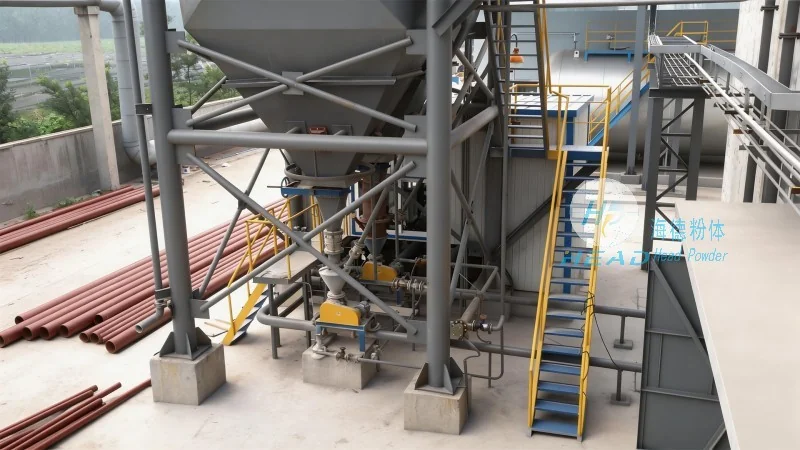
Overview of Powder and Flour Conveying Lines
Powder and flour conveying lines are sophisticated systems engineered to transport bulk materials like flour, powder, and other fine particulate substances from one location to another within industrial facilities. These systems are critical in sectors including food processing, pharmaceuticals, chemicals, and more, where maintaining product quality, minimizing contamination, and ensuring operational efficiency are paramount. The design of these conveying lines integrates multiple components, including feeders, conveyors, and control systems, to achieve seamless material movement while adhering to strict industry standards.
Principle of Operation
The fundamental principle behind powder and flour conveying lines revolves around the efficient transfer of bulk materials through a combination of mechanical and pneumatic mechanisms. The system typically operates by using a primary conveyor, such as a screw conveyor or a pneumatic conveyor, to move the material through a pipeline or enclosed system. Feeders are used to regulate the flow rate, ensuring consistent and controlled material delivery. The conveying process may involve both positive and negative pressure, depending on the specific application and material characteristics. For instance, pneumatic conveying systems use air pressure to transport materials, while mechanical systems rely on rotating components to push or pull the material along the conveying path.
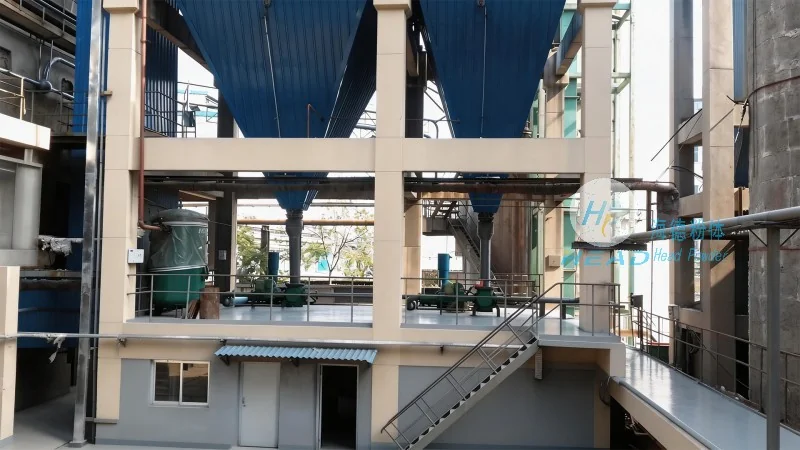
Key Components and Their Functions
Several critical components contribute to the effective operation of powder and flour conveying lines. The first is the feeder, which is responsible for controlling the material flow rate and ensuring a uniform feed to the conveyor. Common types of feeders include rotary valves, star feeders, and screw feeders, each designed to handle different material properties and flow rates. The conveyor itself, which can be either a screw conveyor or a pneumatic conveyor, is the core component that moves the material through the system. Screw conveyors use rotating screws to push material forward, while pneumatic conveyors utilize compressed air to create a flow of material within the pipeline. Additionally, the system includes a control panel that monitors and regulates the operation of all components, ensuring optimal performance and safety.
Working Scene Characteristics
The working scene characteristics of powder and flour conveying lines vary significantly based on the specific industrial application and the nature of the material being handled. In food processing facilities, for example, the conveying system must be designed to maintain hygiene standards, with components made from food-grade materials and easy-to-clean surfaces. The system is also required to minimize product contamination and prevent cross-contamination between different batches of flour or powder. In pharmaceutical applications, the conveying line must adhere to stringent GMP (Good Manufacturing Practice) regulations, with features such as dust collection systems and enclosed conveying paths to prevent particle loss and ensure product purity.
Advantages and Benefits
Implementing powder and flour conveying lines offers numerous advantages for industrial operations. One of the primary benefits is the significant improvement in operational efficiency, as these systems can handle large volumes of material with minimal human intervention. The automated nature of the conveying process reduces labor costs and minimizes the risk of human error. Additionally, the systems are designed to minimize material loss and waste, which is crucial for cost-effective operations. The ability to maintain consistent material flow rates also ensures that downstream processes, such as mixing or packaging, operate smoothly without interruptions. Furthermore, the compact design of many modern conveying systems allows for efficient use of space within industrial facilities, making them suitable for both new and existing installations.
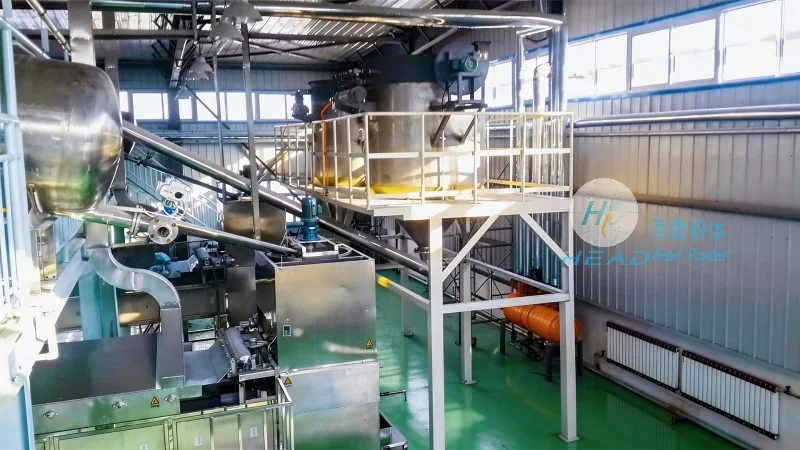
Application Examples
Powder and flour conveying lines are widely used in various industrial settings. In the food industry, these systems are commonly employed in flour mills, bakeries, and snack food production facilities to transport raw flour and other ingredients. The conveying lines ensure that ingredients are delivered to processing equipment in a controlled manner, maintaining product quality and consistency. In the pharmaceutical industry, the systems are used to transport active pharmaceutical ingredients (APIs) and excipients, ensuring that the materials are handled in a sterile and controlled environment. The conveying lines are also utilized in chemical plants to transport powders and granules, where the systems must be designed to handle corrosive or abrasive materials. Additionally, in the agricultural sector, powder and flour conveying lines are used to transport animal feed and other agricultural products, improving the efficiency of feed processing and distribution.
Conclusion
Shandong HeadPowder Engineering Co., Ltd. provides high-quality powder and flour conveying lines that are engineered to meet the diverse needs of industrial applications. The company's expertise in designing and manufacturing these systems ensures that customers receive reliable, efficient, and cost-effective solutions for their material handling requirements. By understanding the principle of operation and the working scene characteristics of these systems, industrial facilities can optimize their operations and improve overall productivity. The advanced technology and rigorous quality control processes employed by headpowder make their conveying lines a trusted choice for businesses seeking to enhance their material handling capabilities.