

Principle and Working Scene Characteristics of Wood Chip Powder Conveying Lines
Wood chip powder conveying lines are critical components in the processing and handling of wood-based materials, particularly in industries such as biomass energy, woodworking, and paper manufacturing. These systems are designed to efficiently transport wood chips and powder from one location to another, ensuring smooth operations and optimal material management. Understanding the underlying principles and application characteristics of these lines is essential for selecting the right equipment and optimizing workflow in various industrial settings.
Core Principles of Wood Chip Powder Conveying Systems
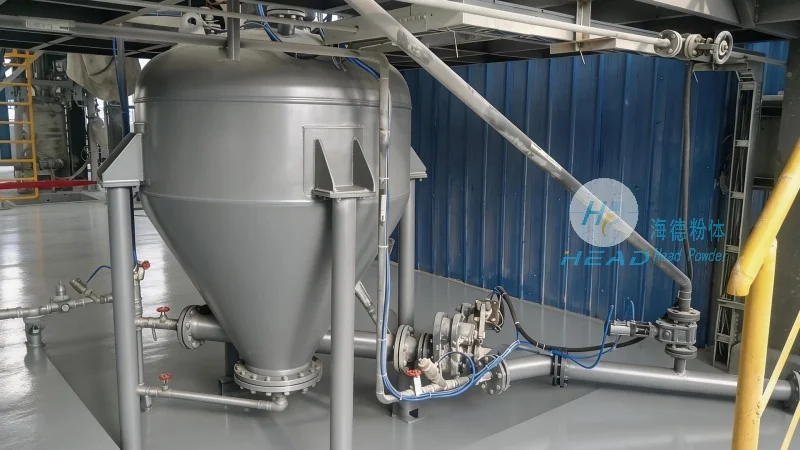
The fundamental principle of wood chip powder conveying lines revolves around the use of mechanical or pneumatic systems to move loose, granular materials like wood chips and powder. These systems typically consist of components such as hoppers, feeders, conveyors (e.g., screw conveyors, belt conveyors, or pneumatic ducts), and control mechanisms. The primary goal is to achieve consistent and reliable material transport while minimizing downtime and maintenance costs. In pneumatic conveying systems, for instance, air is used to create a pressure differential that propels the wood chips through a network of pipes. This method is particularly effective for handling fine powders and preventing material degradation due to friction or impact.
Working Scene Characteristics and Applications
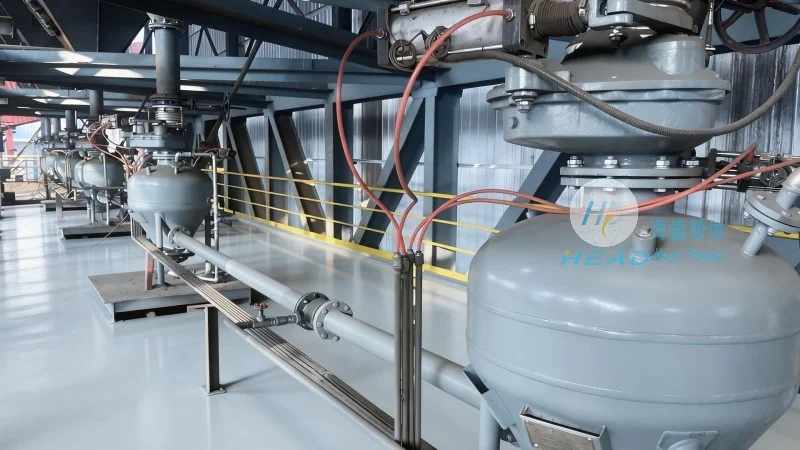
Wood chip powder conveying lines are widely used in diverse industrial environments, each with unique requirements that influence the design and operation of the system. For example, in biomass power plants, these lines are crucial for transporting wood chips from storage to the boiler or gasifier. The high-volume and continuous operation demands robust, low-maintenance systems capable of handling large quantities of material over extended periods. In woodworking factories, the conveying lines may be integrated with sawing and planing machines to transport wood chips to waste management or recycling units. The key characteristics in these scenarios include high throughput, adaptability to varying material sizes, and the ability to operate in harsh, dust-prone environments. Additionally, in paper mills, the lines are used to transport wood pulp or chips from the processing stage to the paper-making machines, where consistent material quality is paramount.
Key Features and Advantages in Industrial Settings
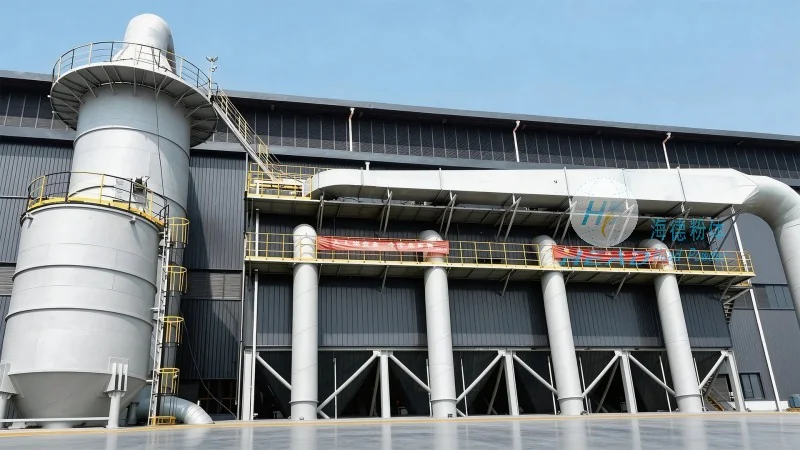
When evaluating wood chip powder conveying lines for industrial applications, several features stand out as critical for performance and efficiency. One of the most significant advantages is the ability to handle a wide range of material characteristics, including different moisture contents, particle sizes, and bulk densities. This versatility allows the systems to be adapted to various processing stages within a facility. Another key feature is the integration of automation and control systems, which enable real-time monitoring of material flow, pressure, and temperature. This not only enhances operational safety but also allows for predictive maintenance, reducing unexpected breakdowns and increasing overall system reliability. Furthermore, the design of these lines often incorporates dust control measures, such as sealed enclosures and filtration systems, to minimize environmental impact and ensure compliance with industrial regulations. These features collectively contribute to improved productivity, reduced operational costs, and enhanced safety in industrial environments.
Customization and Scalability for Diverse Needs
Shandong HeadPowder Engineering Co., Ltd., a leading provider of material handling solutions, specializes in designing and manufacturing customized wood chip powder conveying lines tailored to the specific needs of clients. With operations based in China, the company leverages advanced engineering and manufacturing capabilities to deliver high-quality systems that meet the demands of various industries. The company's approach involves thorough consultation with clients to understand their operational requirements, material characteristics, and budget constraints. This collaborative process ensures that the final design is optimized for performance, efficiency, and longevity. Additionally, the company offers scalable solutions, allowing clients to start with a basic system and expand it as their production needs grow. This flexibility is particularly valuable for businesses in the early stages of development or those experiencing growth. By partnering with Shandong HeadPowder Engineering Co., Ltd., clients can benefit from expert guidance and tailored solutions that enhance their material handling capabilities and support long-term operational success.