

Principles and Working Scene Characteristics of Monosodium Glutamate Material Conveying
Monosodium glutamate (MSG), a widely used flavor enhancer in the food industry, requires efficient and reliable material conveying systems to ensure smooth production processes. The principles and working characteristics of these systems are crucial for optimizing workflow and maintaining product quality. This article explores the core mechanisms behind MSG material conveying and highlights key application scenarios where such systems are employed.
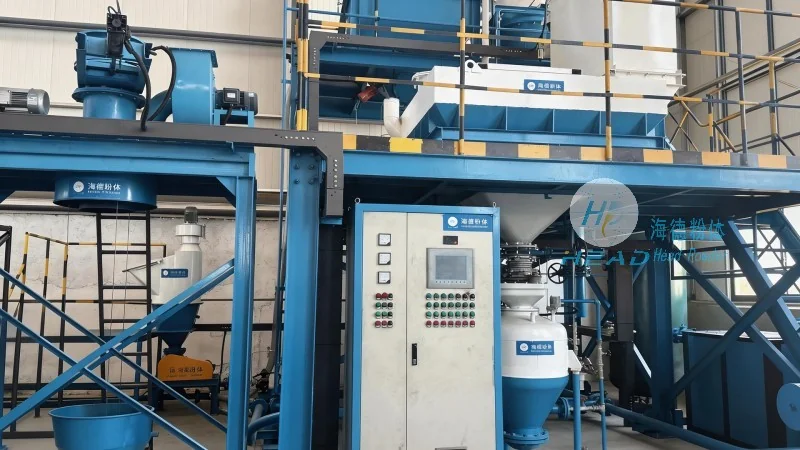
Core Principles of Material Conveying for MSG
The fundamental principle of monosodium glutamate material conveying involves the movement of granular or powdered MSG from one processing stage to another. This is typically achieved through mechanical systems such as screw conveyors, belt conveyors, or pneumatic conveying lines. Each method operates based on specific physical properties of the MSG, including its density, flowability, and particle size. For instance, screw conveyors are ideal for vertical or inclined transport due to their ability to handle bulk materials without the need for external power sources beyond the motor driving the screw. Belt conveyors, on the other hand, excel in horizontal or slightly inclined transport, providing a continuous and stable flow of MSG. Pneumatic conveying systems utilize air pressure to transport MSG particles, which is particularly effective for fine powders and when a dust-free environment is required.
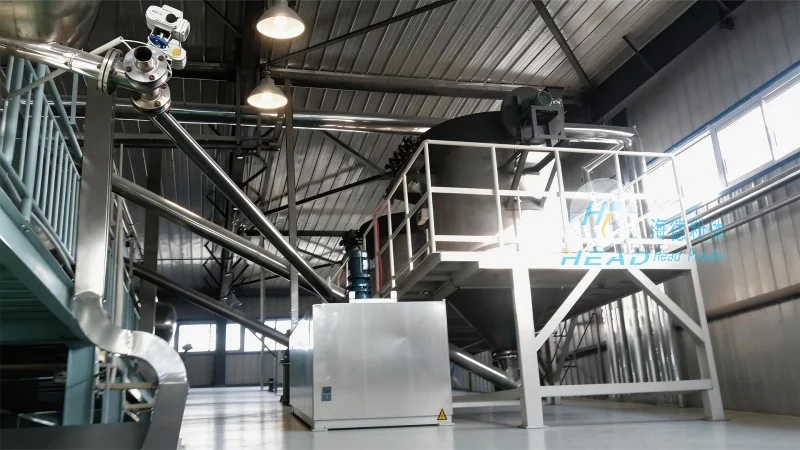
Working Scene Characteristics in Industrial Applications
The working scene characteristics of MSG material conveying systems vary significantly based on the production environment and the scale of operations. In large-scale food processing plants, these systems are often integrated into automated production lines, where they operate continuously to maintain a steady supply of MSG to subsequent processing units. The key characteristics in such scenarios include high throughput capacity, minimal downtime, and precise control over material flow. For example, in a MSG production facility, the conveying system may need to handle large volumes of raw MSG from storage silos to mixing and packaging areas. This requires robust equipment capable of withstanding the abrasive nature of the material and ensuring consistent performance over extended periods.
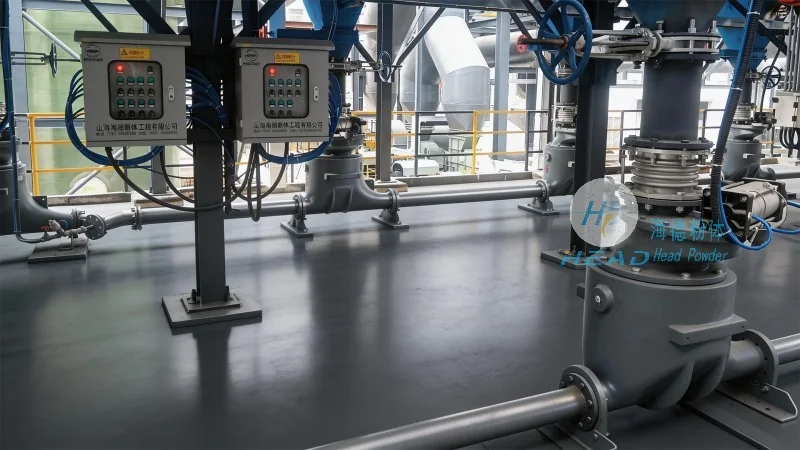
Key Features and Advantages of Conveying Systems for MSG
Conveying systems designed for monosodium glutamate applications are engineered with several key features to address the unique challenges of handling this material. One of the primary advantages is the ability to maintain product purity and prevent contamination. This is achieved through the use of stainless steel components, which are resistant to corrosion and easy to clean, ensuring compliance with food safety regulations. Additionally, these systems are designed to minimize material degradation, such as caking or agglomeration, which can occur in powdered MSG. Advanced control systems allow for real-time monitoring of material flow rates and pressure, enabling operators to quickly address any issues that may arise. The flexibility of these systems also allows for easy integration with other production equipment, such as mixers, blenders, and packaging machines, enhancing overall operational efficiency.
Application Scenarios and Operational Considerations
MSG material conveying systems are employed in a variety of working scenarios across the food industry. In small to medium-sized production facilities, simpler conveyor designs may be used, such as manual or semi-automatic screw conveyors, which are cost-effective and suitable for lower throughput requirements. In contrast, large-scale industrial plants utilize more complex systems, including multi-stage pneumatic conveying lines and automated belt conveyor networks. The operational considerations for these systems include maintaining proper air pressure in pneumatic systems, ensuring proper lubrication of screw mechanisms, and regular maintenance to prevent equipment failure. Environmental factors, such as temperature and humidity, also play a role in the performance of MSG conveying systems, as these can affect the material's flowability and the efficiency of the conveying process.
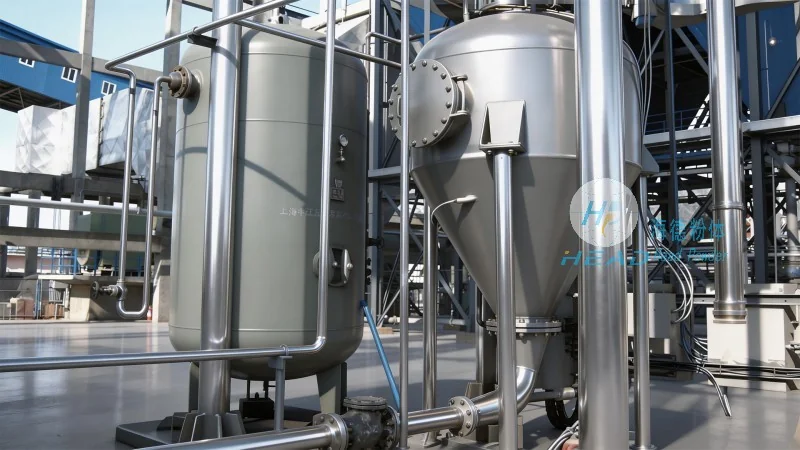
Conclusion and Practical Recommendations
Efficient monosodium glutamate material conveying is essential for maintaining the quality and consistency of food products. By understanding the core principles and working characteristics of these systems, manufacturers can select the most appropriate equipment for their specific production needs. It is recommended that companies consider factors such as material properties, production scale, and environmental conditions when choosing a conveying system. Regular maintenance and monitoring of the system are also critical to ensure long-term reliability and optimal performance. As the demand for MSG continues to grow, investing in high-quality conveying systems will help companies meet production targets while maintaining compliance with industry standards.