

Principles and Working Scene Characteristics of Glass Waste Material Conveying
Glass waste, a byproduct of various industrial and municipal processes, requires efficient and reliable conveying solutions to ensure proper handling and recycling. The principles underlying glass waste material conveying involve understanding the physical properties of the material, such as its size, shape, and moisture content, as well as the operational requirements of the processing plant. At Shandong HeadPowder Engineering Co., Ltd., we specialize in designing and implementing advanced conveying systems tailored to the unique challenges of glass waste management.
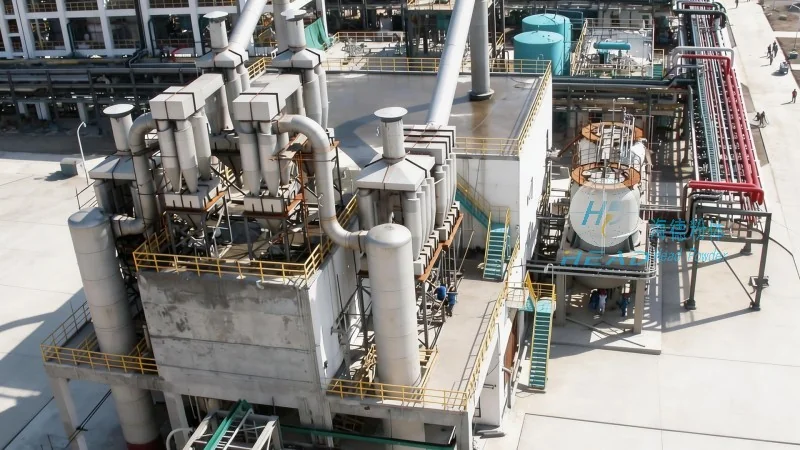
Core Principles of Glass Waste Conveying
The fundamental principle of glass waste material conveying is to move the material from its source to the next processing stage with minimal loss, contamination, or damage. This involves selecting appropriate equipment based on the material's characteristics and the plant's layout. For instance, when dealing with hot glass cullet, high-temperature-resistant components are essential to prevent equipment failure. The conveying system must also consider the material's tendency to adhere to surfaces, which can lead to blockages if not addressed through proper design, such as using smooth, non-stick surfaces or incorporating cleaning mechanisms.
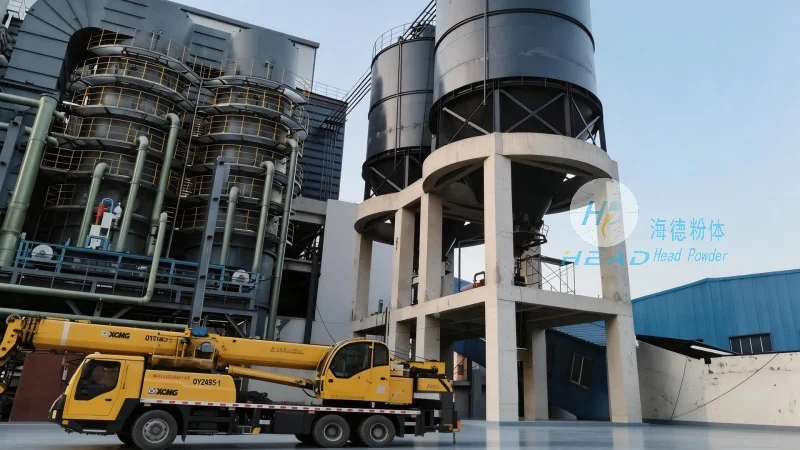
Working Scene Characteristics and Application Scenarios
The working scene characteristics of glass waste conveying systems vary significantly based on the source of the glass waste and the intended end-use. In municipal waste management facilities, the system may need to handle a mix of glass, plastic, and paper, requiring sorting and separation before conveying. Industrial glass manufacturers, on the other hand, often deal with large volumes of hot cullet that must be transported from furnaces to grinding or melting units. The operational environment, including temperature fluctuations, dust levels, and space constraints, directly impacts the choice of conveying technology. For example, in a glass bottle manufacturing plant, a combination of belt conveyors and screw conveyors might be used to transport both raw glass and finished products, while in a recycling plant, pneumatic conveyors could be employed to move fine glass particles.
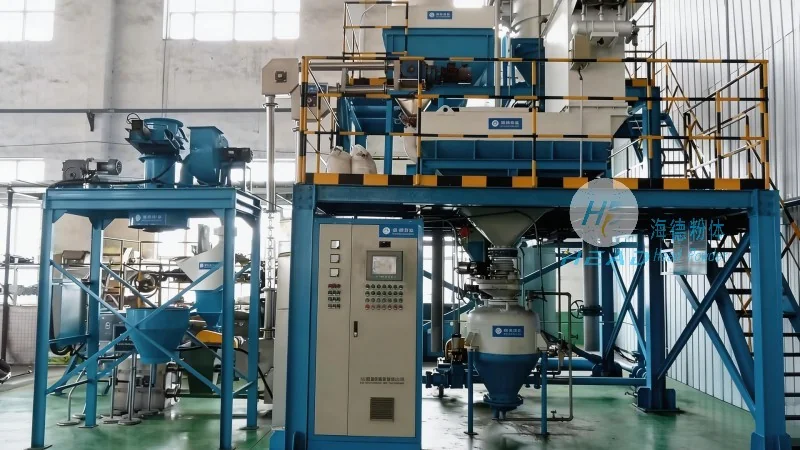
Key Components and Design Considerations
Effective glass waste conveying systems rely on several key components, each designed to address specific operational challenges. The feed hopper is critical for controlling the flow of material into the conveyor, preventing overloading and ensuring consistent feeding. For hot glass, the hopper and associated ductwork are often lined with refractory materials to withstand high temperatures. The conveyor itself, whether a belt, screw, or pneumatic system, must be constructed from materials resistant to chemical and thermal stress. For instance, stainless steel or specialized alloys are commonly used to prevent corrosion from acidic glass residues. Additionally, the system may include cleaning mechanisms, such as brushes or scrapers, to remove buildup and maintain efficiency. The control system, which monitors flow rates, temperature, and pressure, ensures the conveyor operates within safe and optimal parameters.
Case Studies and Real-World Applications
Shandong HeadPowder Engineering Co., Ltd. has successfully implemented glass waste conveying systems in various industrial settings. One notable project involved a glass recycling plant in China that required the transport of 500 tons of glass waste per day. The system, incorporating a combination of belt conveyors and pneumatic transport, was designed to handle both coarse and fine glass particles. The result was a significant reduction in manual handling and improved material throughput, leading to increased production efficiency. Another application was in a glass container manufacturing facility, where a screw conveyor was used to transport hot cullet from the furnace to the grinding unit. The system's high-temperature resistance and low maintenance requirements made it a cost-effective solution for the plant.
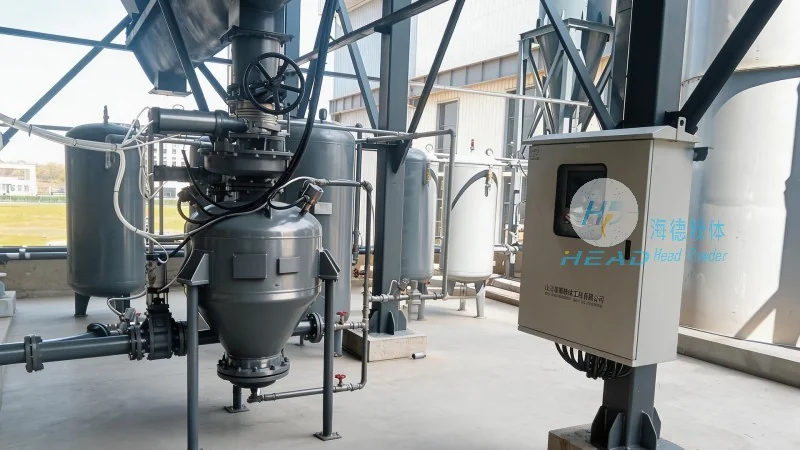
Conclusion and Future Trends
Glass waste material conveying is a critical component of modern glass processing and recycling operations. By understanding the core principles and working scene characteristics, industries can select and implement effective conveying systems that enhance efficiency, reduce costs, and minimize environmental impact. As technology advances, the integration of automation and smart sensors in conveying systems is expected to further improve performance and reliability. At Shandong HeadPowder Engineering Co., Ltd., we continue to innovate in this field, providing tailored solutions that meet the evolving needs of the glass industry.