

Principles and Working Scene Characteristics of Chilli Powder Material Handling
HeadPowder, a leading engineering company based in Shandong, China, specializes in the design and manufacturing of efficient material handling solutions tailored for the food processing industry. This article explores the fundamental principles of chilli powder material handling and highlights the key characteristics of its working environments, providing insights into how these systems enhance operational efficiency and product quality in food production settings.
Understanding the Core Principles of Chilli Powder Material Handling
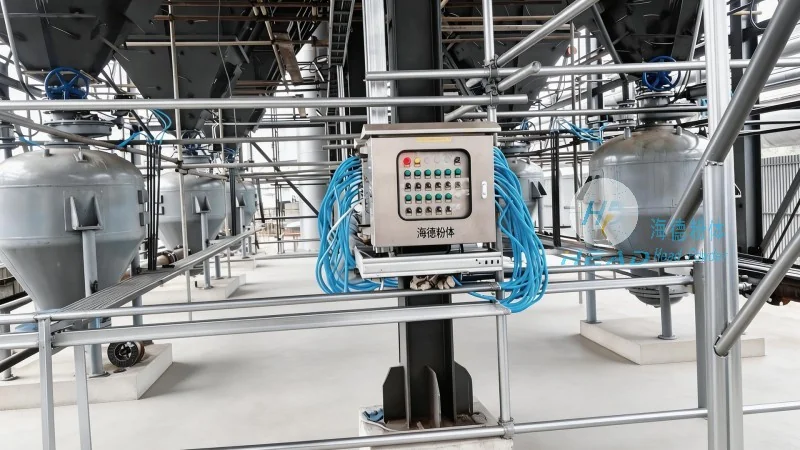
Chilli powder, a staple ingredient in various cuisines worldwide, requires specialized handling due to its fine particle size, potential for dust generation, and hygienic requirements. The material handling process for chilli powder typically involves several critical steps, including storage, conveying, and processing. The primary principle is to ensure minimal product loss, maintain consistent quality, and prevent contamination throughout the handling chain. This is achieved through the use of dust-tight enclosures, appropriate conveyor systems, and controlled environmental conditions. The design of chilli powder handling systems must account for the material's hygroscopic nature and its sensitivity to moisture, which can affect its flavor and shelf life. By implementing these principles, manufacturers can optimize the flow of chilli powder from storage to production lines, reducing downtime and improving overall productivity.
Key Working Scene Characteristics of Chilli Powder Material Handling Systems
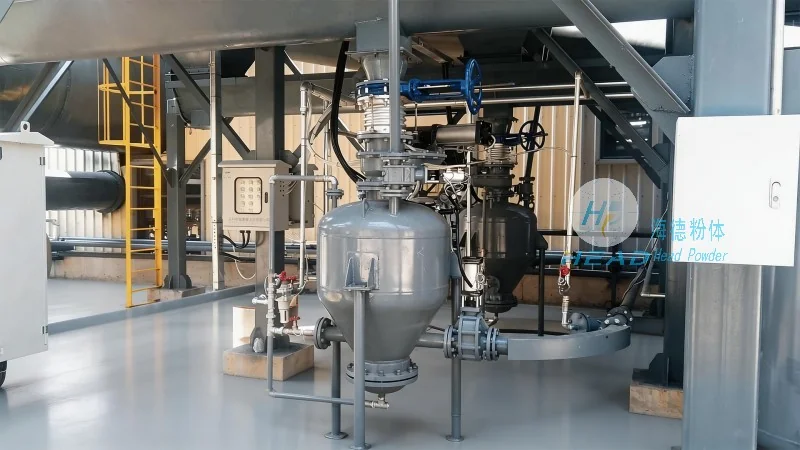
The working environments for chilli powder material handling systems exhibit distinct characteristics that influence system design and operation. One of the most significant factors is the need for dust control, as fine particles can create airborne dust that poses health and safety risks. Therefore, enclosed conveyor systems, such as screw conveyors or pneumatic conveyors, are commonly used to contain the material and prevent dust dispersion. Another critical characteristic is the requirement for hygiene and sanitation, especially in food processing facilities. The equipment must be constructed from materials that are easy to clean and sanitize, such as stainless steel, and designed to minimize product buildup and contamination. Additionally, the systems must be capable of handling varying particle sizes and moisture levels, as chilli powder can have different compositions depending on the source and processing method. The working scenes also involve integration with other production equipment, such as mixers, grinders, and packaging machines, requiring seamless coordination to maintain a continuous production flow. These characteristics necessitate a customized approach to system design, ensuring that the equipment is tailored to the specific needs of the food processing facility.
Applications and Benefits in Food Processing Industries
Chilli powder material handling systems are widely used in various food processing industries, including spice manufacturing, food processing plants, and ingredient suppliers. The primary application is the efficient transfer of chilli powder from storage silos or bulk containers to processing lines, such as grinding, mixing, or packaging. The benefits of these systems include improved operational efficiency, reduced labor costs, and enhanced product quality. By automating the material handling process, manufacturers can minimize human intervention, which reduces the risk of contamination and product damage. Additionally, the systems help maintain consistent product quality by ensuring uniform material flow and preventing segregation of different particle sizes. The use of advanced control systems allows for real-time monitoring of the material flow, enabling quick adjustments to maintain optimal performance. In the food processing industry, where product quality and safety are paramount, chilli powder material handling systems play a crucial role in meeting these standards and ensuring compliance with regulatory requirements.
Conclusion and Future Trends
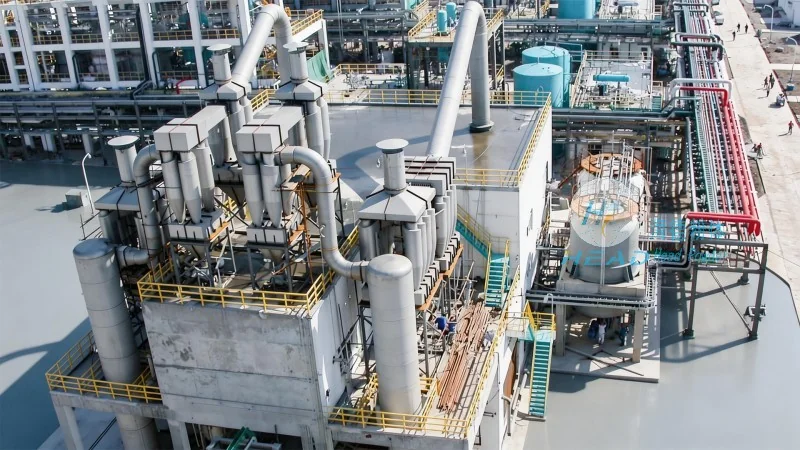
In conclusion, the principles and working scene characteristics of chilli powder material handling are essential for optimizing food processing operations. The systems must be designed to address the unique properties of chilli powder, such as its fine particle size and hygroscopic nature, while ensuring dust control, hygiene, and efficient material flow. As the food processing industry continues to evolve, there is a growing demand for more advanced and customized material handling solutions. Future trends may include the integration of automation and artificial intelligence to enhance system performance, the use of sustainable materials and energy-efficient designs, and the development of systems that can handle a wider range of ingredients. For companies like Shandong HeadPowder Engineering Co., Ltd., these trends present opportunities to innovate and provide cutting-edge solutions that meet the evolving needs of the food processing industry. By focusing on the core principles and characteristics of chilli powder material handling, manufacturers can ensure that their systems are reliable, efficient, and compliant with industry standards, ultimately contributing to the success of their food processing operations.