

[Metal Aluminum Powder Material Handling: Principles and Operational Scenarios]
Understanding the principles and operational characteristics of metal aluminum powder material handling is crucial for industries that rely on efficient and safe transportation of this lightweight, reactive material. This article explores the fundamental mechanisms behind aluminum powder handling systems, as well as the diverse work scenarios where such technology is applied, with a focus on the expertise of Shandong HeadPowder Engineering Co., Ltd., a leading provider in the field.
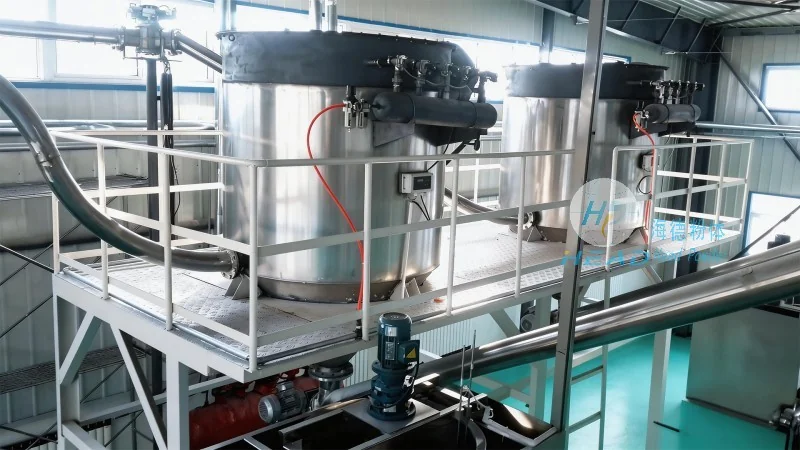
Introduction to Metal Aluminum Powder Handling
Aluminum powder, due to its fine particle size and high reactivity, requires specialized handling methods to ensure safety and operational efficiency. The primary goal of material handling systems for aluminum powder is to transport the material from storage to processing equipment without causing dust explosions or material degradation. This involves understanding the physical properties of aluminum powder, such as its flowability, dustiness, and potential for self-ignition, and designing systems that mitigate these risks while optimizing throughput.
Core Principles of Aluminum Powder Material Handling
The fundamental principles of metal aluminum powder handling revolve around controlling the material's movement through various stages, from storage to discharge. Key components and mechanisms include:
1. Storage Solutions: Proper storage is critical to prevent moisture absorption and oxidation, which can affect the powder's quality and reactivity. HeadPowder offers advanced storage vessels, such as silos and hoppers, equipped with aeration systems and moisture control features to maintain the powder's integrity. These storage solutions are designed to minimize the risk of spontaneous combustion and ensure consistent material quality.
2. Conveying Systems: Conveying aluminum powder requires equipment that can handle the material's low density and potential for dust generation. Screw conveyors, pneumatic conveyors, and bucket elevators are commonly used, each with specific advantages. For example, pneumatic conveyors use air to transport the powder, reducing the risk of mechanical wear and providing a flexible, dust-tight solution. HeadPowder's conveying systems are engineered to handle the unique challenges of aluminum powder, including its tendency to cling to surfaces and form agglomerates.
3. Feeding and Metering: Accurate feeding and metering of aluminum powder are essential for consistent processing. This involves using specialized feeders, such as rotary valves and vibratory feeders, that can handle the material's flow characteristics. HeadPowder's feeding systems are designed to provide precise control over the material flow rate, ensuring uniform addition to processing equipment and preventing overloading or underloading.
4. Discharge and Transfer: Efficient discharge from storage and transfer to processing lines is another critical aspect. HeadPowder's solutions include discharge chutes and transfer systems that minimize material degradation and ensure smooth operation. These systems are often equipped with explosion-proof features and dust collection mechanisms to maintain safety standards.
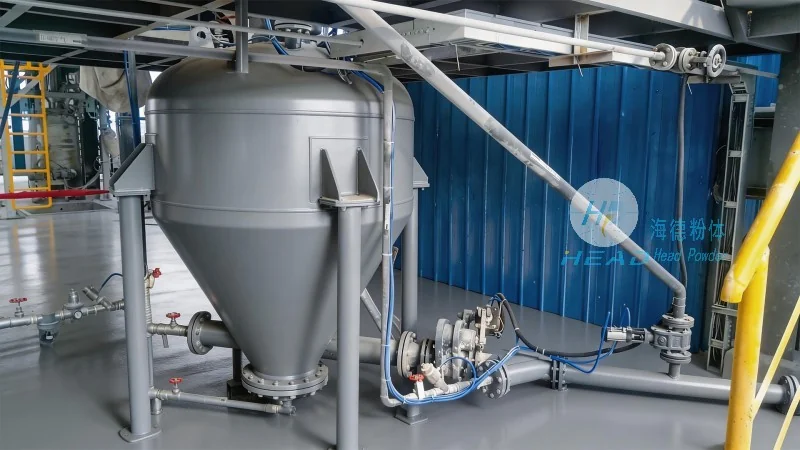
Work Scenarios and Application Examples
Aluminum powder material handling systems are applied in a wide range of industrial settings, each with specific requirements. The following scenarios illustrate the versatility and adaptability of HeadPowder's solutions:
1. Automotive and Aerospace Manufacturing: In the production of aluminum alloys for automotive parts and aerospace components, precise handling of aluminum powder is essential. HeadPowder's systems are used to transport aluminum powder to mixing and casting equipment, ensuring consistent alloy composition and quality. The systems are designed to handle high volumes of material while maintaining tight control over particle size distribution.
2. Fireworks and Pyrotechnics Industry: Aluminum powder is a key component in fireworks and pyrotechnic formulations. Handling this material requires strict safety measures due to its reactivity. HeadPowder's explosion-proof and dust-tight systems are widely used in fireworks manufacturing plants to transport aluminum powder safely and efficiently, minimizing the risk of accidental ignition.
3. Chemical and Pharmaceutical Processing: In chemical and pharmaceutical applications, aluminum powder is used as a raw material for various products. HeadPowder's material handling solutions are employed to transport aluminum powder to reactors and processing lines, ensuring accurate dosing and preventing contamination. The systems are designed to meet stringent quality and safety standards required in these industries.
4. Metallurgical and Foundry Operations: Foundries and metallurgical plants rely on aluminum powder for alloying and surface treatment processes. HeadPowder's handling systems are used to transport aluminum powder to melting furnaces and casting equipment, optimizing the production of aluminum-based products. The systems are engineered to handle the high temperatures and abrasive nature of the material, ensuring long-term reliability.
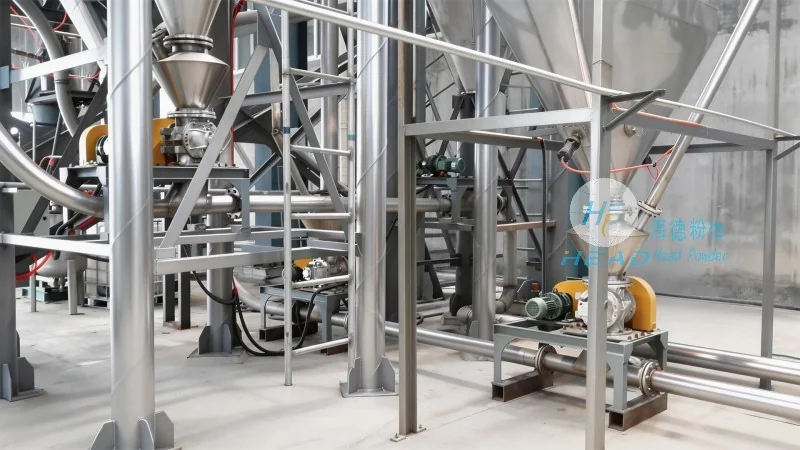
Key Considerations for Aluminum Powder Handling
When implementing aluminum powder material handling systems, several factors must be considered to ensure optimal performance and safety. These include:
1. Explosion Prevention: Aluminum powder is a combustible dust, and the risk of dust explosions must be mitigated through proper design. HeadPowder's systems incorporate explosion venting, dust collection, and inerting features to comply with safety regulations such as NFPA 654 and ATEX standards.
2. Material Compatibility: The equipment used for aluminum powder handling must be compatible with the material's properties. This includes using materials like stainless steel or special alloys that resist corrosion and wear from the powder. HeadPowder's equipment is manufactured with high-quality materials to ensure durability and long service life.
3. Process Integration: The material handling system must integrate seamlessly with the existing production process. HeadPowder provides customized solutions that can be tailored to specific plant layouts and operational requirements, ensuring smooth operation and minimal downtime.
4. Maintenance and Safety: Regular maintenance and adherence to safety protocols are essential for the long-term operation of aluminum powder handling systems. HeadPowder offers comprehensive maintenance services and training programs to ensure that clients can operate their systems safely and efficiently.
Conclusion
Efficient and safe handling of metal aluminum powder is a complex process that requires specialized knowledge and expertise. Shandong HeadPowder Engineering Co., Ltd. has established itself as a leader in providing advanced material handling solutions for aluminum powder, with a focus on safety, reliability, and performance. By understanding the core principles and application scenarios of aluminum powder handling, industries can optimize their operations and ensure the consistent production of high-quality aluminum-based products. HeadPowder's commitment to innovation and customer satisfaction makes it a trusted partner for businesses seeking to enhance their aluminum powder material handling capabilities.