

Principle and Working Scene Characteristics of Foam Plastic Powder Pneumatic Conveying Machine
HeadPowder, a leading engineering company based in Shandong, China, specializes in the design and manufacturing of advanced pneumatic conveying systems tailored for handling foam plastic powders. This article delves into the fundamental principles behind foam plastic powder pneumatic conveying machines and explores the distinct characteristics of their operational environments.
Understanding the Core Principles of Foam Plastic Powder Pneumatic Conveying
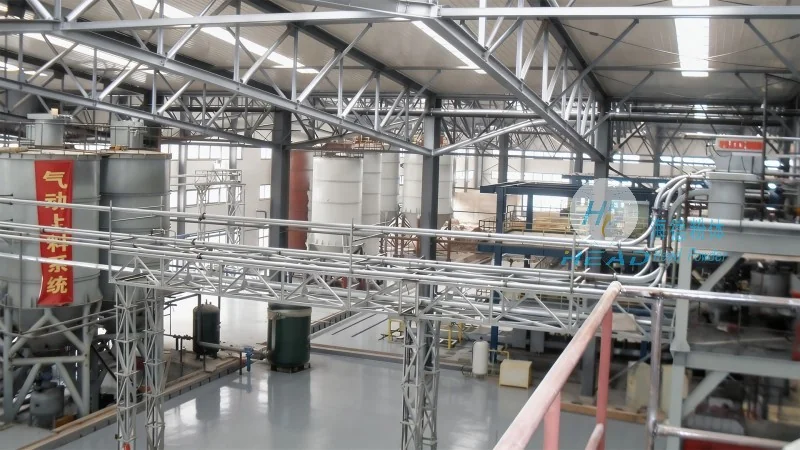
The foam plastic powder pneumatic conveying machine operates on the principle of using compressed air or other gas to transport powder materials through a pipeline system. Unlike traditional mechanical conveying methods, this system relies on the kinetic energy of the gas to move the powder particles. The process typically involves a hopper where the foam plastic powder is stored, a blower or compressor that generates the necessary air pressure, and a pipeline network that transports the material to the destination. The key components include the material hopper, airlock feeder, conveying line, and receiving hopper. The airlock feeder ensures a controlled and continuous flow of powder into the conveying line, preventing air leakage and maintaining consistent pressure. The blower provides the required air volume and pressure to move the powder particles, which are often lightweight and have low bulk density. The conveying line is usually made of stainless steel or other corrosion-resistant materials to handle the abrasive nature of foam plastic powders. The receiving hopper collects the material at the end of the conveying line, completing the transport process. The entire system is designed to be energy-efficient and low-maintenance, with features such as automatic cleaning and pressure monitoring to ensure optimal performance.
Key Working Scene Characteristics of Foam Plastic Powder Pneumatic Conveying Machines
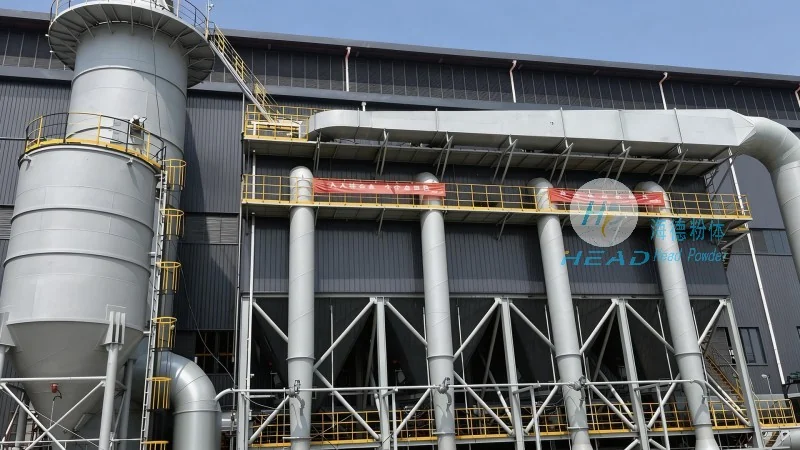
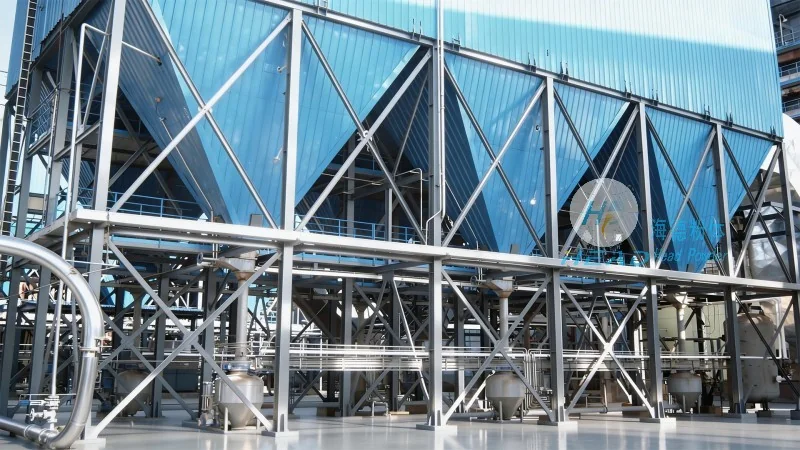
The operational environment of foam plastic powder pneumatic conveying machines is characterized by several unique aspects that influence their design and application. First, the material properties of foam plastic powders, such as low density and high air content, require specialized equipment to handle without degradation. The lightweight nature of the powder means that the conveying system must be capable of maintaining sufficient air velocity to prevent particle settling or clogging in the pipeline. This often involves higher air volumes and pressure compared to conventional powders, which can affect energy consumption and system sizing. Second, the dust control requirements are critical in these applications. Foam plastic powders are fine and can generate significant dust during handling, posing health and safety risks. Therefore, the conveying system incorporates dust collection and filtration systems to ensure a clean and safe working environment. Third, the system's flexibility in handling varying material flows is essential for different production scenarios. The ability to adjust air pressure and flow rate allows for precise control over the conveying rate, which is crucial for maintaining production efficiency and product quality. Fourth, the space constraints in many industrial settings necessitate compact and modular designs. The pneumatic conveying system can be integrated into existing production lines with minimal footprint, making it suitable for both new installations and retrofit applications. Finally, the durability and reliability of the equipment are paramount, as downtime can lead to significant production losses. The use of high-quality materials and robust construction ensures that the system can withstand the abrasive and corrosive effects of foam plastic powders over extended periods.
Applications and Benefits in Industrial Settings
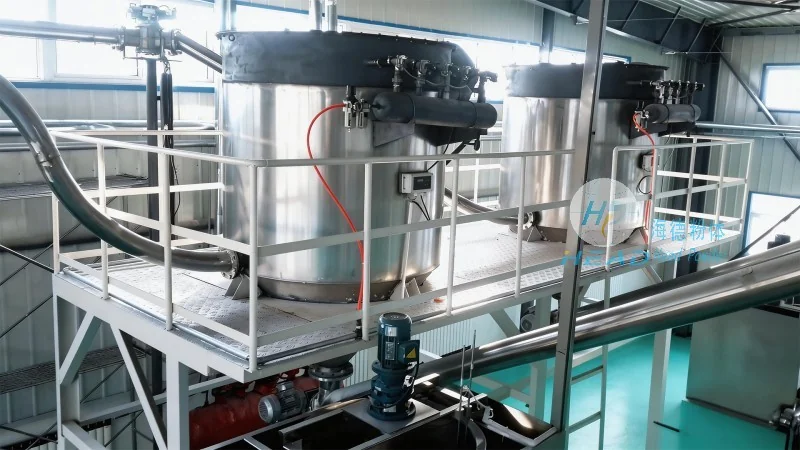
Foam plastic powder pneumatic conveying machines are widely used in various industrial applications where the handling of lightweight, fine powders is required. These include the manufacturing of foam plastic products, such as insulation materials, packaging, and automotive components. The system's ability to transport foam plastic powders efficiently and safely makes it an ideal solution for these industries. The benefits of using pneumatic conveying systems for foam plastic powders include improved process control, reduced labor costs, and enhanced product quality. By maintaining consistent air pressure and flow rates, the system ensures that the powder is conveyed uniformly, minimizing variations in product properties. Additionally, the enclosed design of the system prevents dust contamination, which is essential for maintaining the purity of the foam plastic material. The energy efficiency of the system also contributes to lower operational costs, making it a cost-effective solution for industrial applications. Furthermore, the flexibility of the system allows for easy integration with other production equipment, such as mixers and extruders, enabling seamless material handling throughout the production process.