

Common Methods for Dry Stone Powder Conveying
Dry stone powder, a fine particulate material commonly utilized in construction, mining, and chemical industries, demands specialized conveying systems to ensure safe and efficient transport. The selection of an appropriate conveying method depends on various factors including material properties, distance, volume, and environmental constraints. This article explores the common methods used for dry stone powder conveying, focusing on the technologies and considerations that make them effective.
Screw Conveyors for Dry Stone Powder
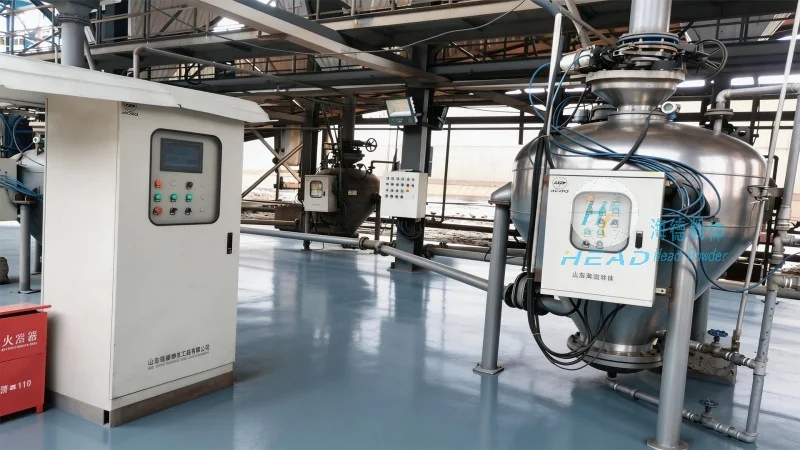
Screw conveyors, also known as auger conveyors, are widely employed for dry stone powder transport due to their simplicity and effectiveness. These systems consist of a rotating helical screw inside a tube or trough, which moves material forward through the mechanism. The screw's pitch and speed can be adjusted to control the flow rate and prevent material buildup. Screw conveyors are particularly suitable for horizontal or slightly inclined transport, making them ideal for short to medium distances. They are also easy to install and maintain, with minimal space requirements. For dry stone powder, the material's low moisture content and fine particle size make screw conveyors an excellent choice, as they can handle the material without causing excessive wear or clogging. The company, Shandong HeadPowder Engineering Co., Ltd., located in Shandong, China, specializes in designing and manufacturing customized screw conveyor systems tailored to specific material characteristics and operational needs.
Air-Driven Pneumatic Conveying Systems
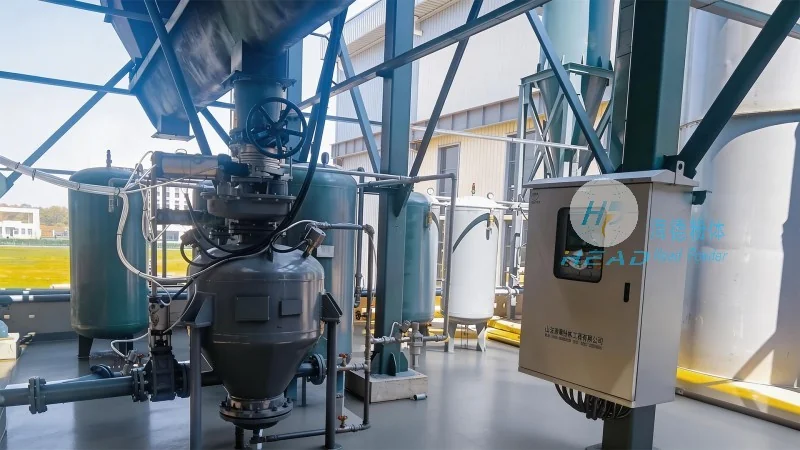
Pneumatic conveying, or air-driven systems, is another common method for dry stone powder transport, especially for longer distances or when the material needs to be transported through vertical or complex routes. These systems use compressed air to create a flow that carries the dry stone powder particles through a pipeline. There are two main types: pressure and vacuum systems. Pressure systems push the material forward using high-pressure air, while vacuum systems draw the material into the pipeline using a vacuum source. Pneumatic conveying is highly effective for fine powders, as it minimizes material degradation and contamination. However, it requires careful design to prevent particle segregation and ensure consistent flow. The company, headpowder, offers advanced pneumatic conveying solutions that incorporate features like variable speed control and material separation to optimize performance. These systems are particularly useful in applications where dust control and hygiene are critical, such as in food processing or pharmaceutical industries, though they can also be adapted for dry stone powder in construction and mining.
Belt Conveyors for Bulk Dry Stone Powder
Belt conveyors are a classic and reliable method for transporting dry stone powder, especially for large volumes and long distances. These systems consist of a continuous belt that moves over rollers or pulleys, carrying the material from the loading point to the discharge point. The belt's width and speed can be adjusted to handle different quantities of material, and the system can be configured with multiple inclines and curves to fit complex layouts. Belt conveyors are ideal for horizontal and moderately inclined transport, with the ability to handle a wide range of particle sizes and moisture levels. They are also durable and can operate continuously for extended periods, making them suitable for high-throughput applications. The company, Shandong HeadPowder Engineering Co., Ltd., located in Shandong, China, provides customized belt conveyor systems that incorporate features like load cells and safety sensors to ensure safe and efficient operation. These systems are designed to minimize material spillage and maintain consistent flow, even with varying material characteristics. Belt conveyors are commonly used in mining operations to transport crushed stone or in construction sites to move dry stone powder for concrete mixing.
Vibrating Conveyors for Dry Stone Powder Handling
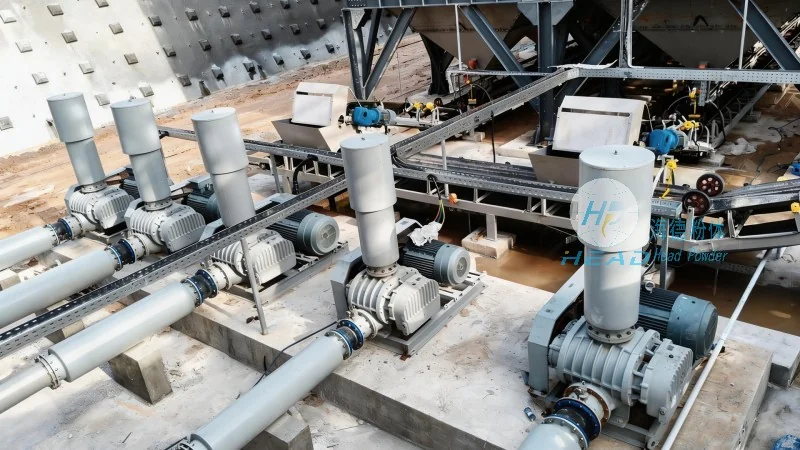
Vibrating conveyors use mechanical vibration to move dry stone powder along a trough or conveyor bed. The system consists of a conveyor pan supported by vibration motors, which create a sinusoidal motion that propels the material forward. The frequency and amplitude of the vibration can be adjusted to control the flow rate and prevent material stagnation. Vibrating conveyors are particularly effective for handling materials with high moisture content or those that tend to stick to surfaces, as the vibration helps break up clumps and maintain a smooth flow. They are also suitable for inclined transport, with the ability to handle steep angles without the need for additional equipment. The company, headpowder, offers vibrating conveyor systems that are designed for heavy-duty applications, with robust construction and adjustable parameters to suit different material types. These systems are commonly used in the chemical and mining industries to transport dry stone powder, as they can handle abrasive materials and maintain consistent throughput. Vibrating conveyors are an efficient alternative to traditional screw or belt systems, especially when dealing with materials that are prone to clogging or segregation.