

Common Methods for PVC Resin Conveyance
When it comes to the efficient handling and transportation of PVC resin, selecting the right conveyance method is crucial for maintaining production efficiency and product quality. As a leading provider in the industry, Shandong HeadPowder Engineering Co., Ltd. specializes in offering comprehensive solutions tailored to the diverse needs of clients. This article explores the common methods used for PVC resin conveyance, highlighting the key considerations and applications in industrial settings.
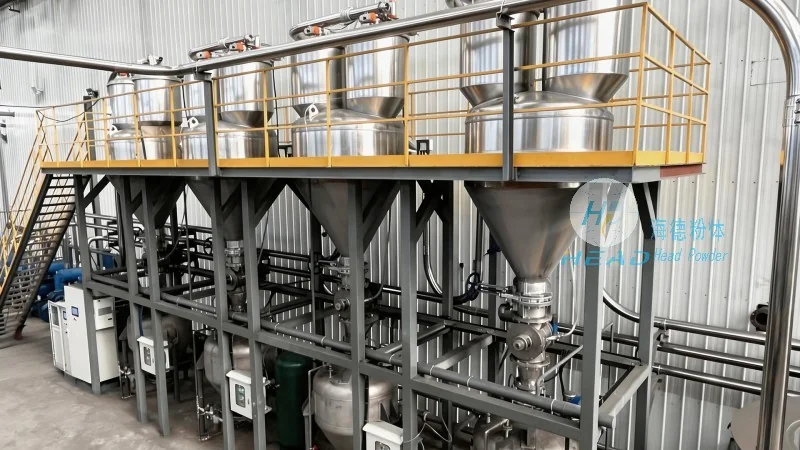
Understanding PVC Resin and Conveyance Requirements
PVC resin, a versatile polymer widely used in manufacturing various products such as pipes, flooring, and plastic products, requires careful handling during transportation. The properties of PVC resin, including its granular or powder form, density, and flow characteristics, influence the choice of conveyance method. Proper conveyance ensures minimal product degradation, reduces downtime, and enhances overall operational safety. Shandong HeadPowder Engineering Co., Ltd. recognizes these critical factors and designs systems that align with the specific requirements of each client's production environment.
Common Methods for PVC Resin Conveyance
Several methods are commonly employed for PVC resin conveyance, each with its own advantages and applications. The selection of a method depends on factors such as the scale of operation, the type of PVC resin (e.g., powder or granules), and the distance to be covered. Below are the primary methods used in industrial settings:
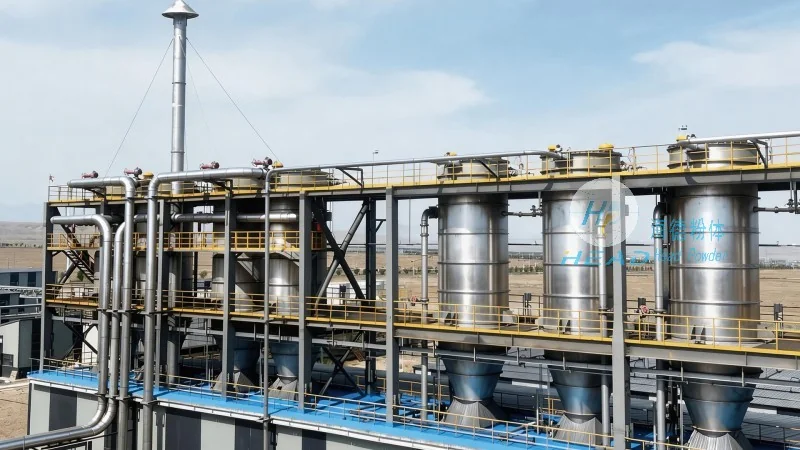
1. Gravity Conveyance Systems
Gravity conveyance systems utilize the natural force of gravity to move PVC resin from one point to another. These systems typically consist of inclined chutes or troughs that allow the resin to flow down under the influence of gravity. This method is ideal for short distances and when the resin has good flow characteristics. Shandong HeadPowder Engineering Co., Ltd. designs gravity conveyors that ensure smooth and consistent flow, minimizing the risk of material buildup or blockages. The design of these systems considers the angle of inclination, material properties, and the need for minimal maintenance, making them a cost-effective solution for many applications.
2. Mechanical Conveyance Systems
Mechanical conveyance systems rely on mechanical components to transport PVC resin. These systems include belt conveyors, screw conveyors, and bucket elevators, each offering unique benefits. Belt conveyors are widely used for transporting bulk materials over longer distances, providing high capacity and reliability. Screw conveyors, also known as augers, are effective for moving PVC resin in a vertical or horizontal direction, especially when the material is in a powder or granular form. They are particularly suitable for applications where space is limited or where the resin needs to be elevated. Shandong HeadPowder Engineering Co., Ltd. specializes in customizing mechanical conveyance systems to meet specific operational needs, ensuring optimal performance and durability.
3. Pneumatic (Air) Conveyance Systems
Pneumatic or air conveyance systems use compressed air to transport PVC resin through a pipeline. This method is highly effective for moving fine powders or granules over moderate to long distances. The system typically consists of a hopper, a blower, and a pipeline network. The compressed air creates a flow that carries the resin from the source to the destination, allowing for efficient and dust-free transportation. Pneumatic conveyance is particularly advantageous in environments where dust control is critical, as it minimizes the risk of airborne particles. Shandong HeadPowder Engineering Co., Ltd. offers advanced pneumatic systems that ensure consistent flow rates and minimal product degradation, enhancing the overall efficiency of the conveying process.
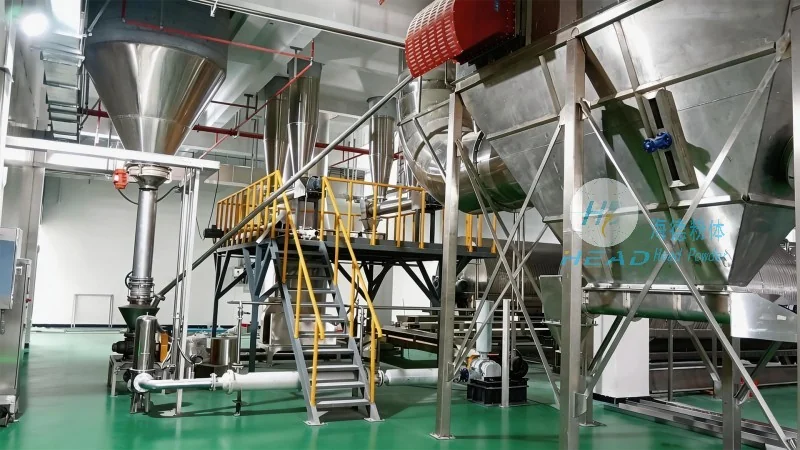
Key Considerations for Selecting a Conveyance Method
When choosing a PVC resin conveyance method, several factors must be considered to ensure optimal performance and cost-effectiveness. The first consideration is the scale of the operation, as large-scale production may require higher capacity systems. The type of PVC resin, whether it is a powder or granule, also influences the choice, as some materials may require specialized equipment to prevent clogging or degradation. The distance between the source and destination is another critical factor, as different methods are better suited for short or long distances. Additionally, the need for dust control and environmental compliance may dictate the selection of a particular system. Shandong HeadPowder Engineering Co., Ltd. provides expert consultation to help clients evaluate these factors and select the most suitable conveyance method for their specific needs.
Benefits of Choosing Shandong HeadPowder Engineering Co., Ltd.
For businesses seeking reliable and efficient PVC resin conveyance solutions, Shandong HeadPowder Engineering Co., Ltd. stands out as a trusted partner. With years of experience in the industry, the company offers customized systems that address the unique challenges of each client's operation. The company's expertise in designing and manufacturing conveyance systems ensures that clients receive high-quality equipment that meets their production requirements. Additionally, Shandong HeadPowder Engineering Co., Ltd. provides comprehensive support, including installation, maintenance, and technical assistance, to ensure the long-term performance and reliability of the systems. By choosing HeadPowder, clients can enhance their operational efficiency, reduce costs, and maintain product quality, ultimately contributing to their business success.