

[Operation Process and Working Principle of Urea Pneumatic Conveying System]
Urea, a critical nitrogen fertilizer, is widely used in agricultural production worldwide. The efficient and reliable transportation of urea from production facilities to storage or distribution points is essential for maintaining supply chain integrity and operational efficiency. This article provides a detailed overview of the operation process and working principle of a urea pneumatic conveying system, highlighting the key components, operational steps, and technical advantages offered by such systems.
Introduction to Urea Pneumatic Conveying Systems
A urea pneumatic conveying system is a specialized equipment used to transport urea granules or prills through a pipeline using compressed air. This method offers several advantages over traditional mechanical conveying systems, including reduced equipment wear, lower energy consumption, and improved safety due to the enclosed nature of the process. The system is particularly suitable for handling bulk urea, which is often produced in large quantities and requires consistent and reliable delivery.
Key Components of the Urea Pneumatic Conveying System
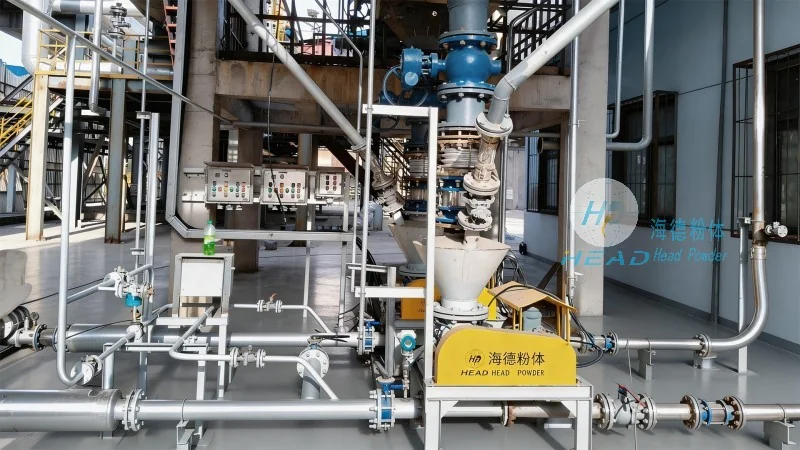
The urea pneumatic conveying system consists of several core components that work in tandem to ensure smooth operation. These components include the urea storage hopper, the air compressor, the conveying pipeline, the control valves, and the discharge hopper. Each component plays a crucial role in the overall functionality of the system.

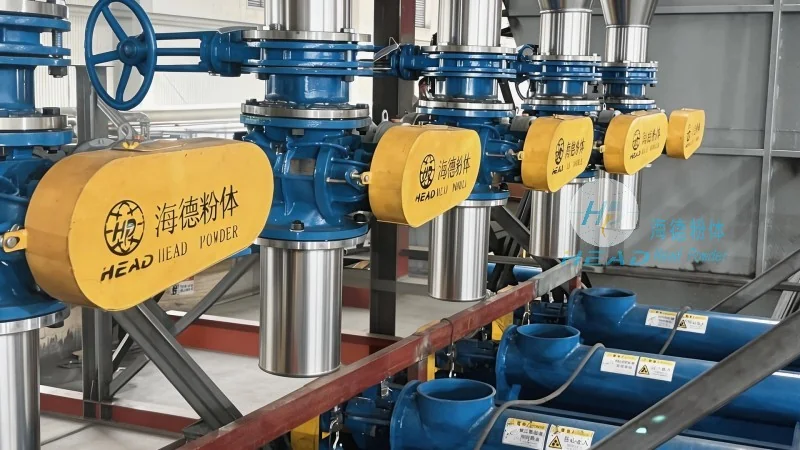
The urea storage hopper is where raw urea is stored before being fed into the conveying system. It is typically equipped with a feeder mechanism, such as a rotary valve or a screw conveyor, which regulates the flow of urea into the pipeline. The air compressor generates the necessary pressure to move the urea particles through the pipeline. The conveying pipeline is made of durable materials, such as stainless steel or polyethylene, to withstand the abrasive nature of urea and the pressure from the compressed air. The control valves are used to regulate the flow of air and urea, ensuring that the system operates at optimal pressure and flow rates. The discharge hopper collects the urea at the end of the pipeline and can be connected to a storage silo or a loading truck for further distribution.
Operation Process of the Urea Pneumatic Conveying System
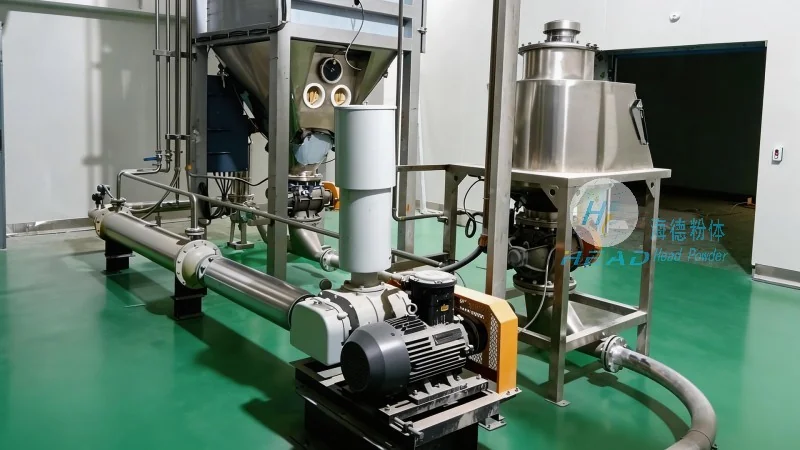
The operation of the urea pneumatic conveying system involves several sequential steps that ensure the efficient transfer of urea from the storage hopper to the discharge point. The process begins with the start-up of the air compressor, which builds up pressure in the pipeline. Simultaneously, the feeder mechanism in the storage hopper starts to release urea into the pipeline. As the compressed air flows through the pipeline, it entrains the urea particles, creating a mixture of air and urea that moves through the system. The control valves adjust the air pressure and flow rate to maintain a consistent conveying velocity, preventing blockages or excessive pressure drops.
During the conveying process, the urea particles are suspended in the air stream and transported through the pipeline. The system is designed to handle varying urea flow rates, from low to high, ensuring that the conveying velocity remains within the optimal range. The discharge hopper at the end of the pipeline collects the urea as it is released from the air stream. The air, now containing some residual urea particles, is typically filtered and recycled back to the air compressor to conserve energy and reduce waste.
Working Principle of the Urea Pneumatic Conveying System
The working principle of the urea pneumatic conveying system is based on the principle of pneumatic transport, where solid particles are conveyed through a pipeline using a gas stream. The system operates under positive pressure, meaning that the air pressure in the pipeline is higher than the ambient air pressure. This pressure difference creates a force that propels the urea particles through the pipeline. The air velocity is maintained at a level that is sufficient to keep the urea particles suspended and prevent them from settling or sticking to the pipeline walls.
The key to the system's efficiency lies in the balance between the air pressure and the flow rate of urea. If the air pressure is too low, the urea particles may not be fully entrained, leading to blockages or reduced conveying capacity. Conversely, if the air pressure is too high, it can cause excessive wear on the pipeline and increase energy consumption. The control system continuously monitors the pressure and flow rates, adjusting the air compressor output and feeder speed to maintain optimal operation.
Advantages of Urea Pneumatic Conveying Systems
Urea pneumatic conveying systems offer several advantages over traditional mechanical conveying methods. Firstly, they reduce equipment wear and tear, as there are no moving parts in direct contact with the urea particles. This leads to lower maintenance costs and longer equipment lifespan. Secondly, the enclosed system provides better safety, as it prevents dust emissions and reduces the risk of accidents. Thirdly, the system is more energy-efficient, as it uses less power to transport the same amount of urea compared to mechanical systems. Additionally, the system can handle varying flow rates and can be easily integrated with other processing equipment, making it a versatile solution for urea handling.
Applications and Industries
The urea pneumatic conveying system is widely used in the fertilizer industry, particularly in the production and distribution of urea. It is also used in other industries where bulk solid materials need to be transported, such as in chemical processing and food processing. The system is suitable for both indoor and outdoor applications, and can be customized to meet the specific requirements of different facilities.
Conclusion
In conclusion, the urea pneumatic conveying system is a highly efficient and reliable method for transporting urea. It offers several advantages over traditional mechanical systems, including reduced wear and tear, improved safety, and lower energy consumption. The system is designed to handle large quantities of urea and can be easily integrated into existing production lines. As the demand for urea continues to grow, the use of pneumatic conveying systems will become increasingly important in maintaining the efficiency and reliability of the fertilizer supply chain.