

The Operation Process and Working Principle of Bicarbonate of Soda Pneumatic Conveying Systems
Bicarbonate of soda, also known as sodium bicarbonate, is a widely used chemical in various industrial applications. The pneumatic conveying system designed for handling this material efficiently is a critical component in many processing facilities. This article provides an overview of the operation process and working principles of such systems, highlighting the key aspects that ensure reliable and effective material transport.
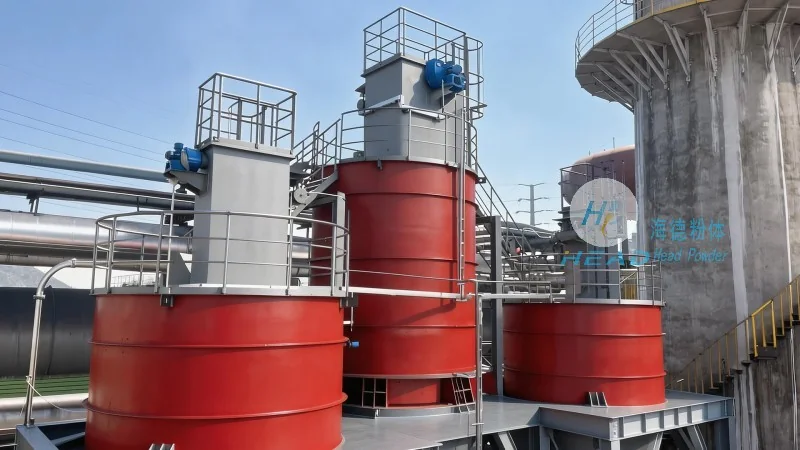
Key Components of the Pneumatic Conveying System
The bicarbonate of soda pneumatic conveying system, designed and manufactured by Shandong HeadPowder Engineering Co., Ltd., typically consists of several essential components that work in tandem to achieve the desired material transport. These include the hopper for material storage, a rotary valve or feeder to control the material flow, a conveying line (usually made of stainless steel or other corrosion-resistant materials to handle the chemical properties of bicarbonate of soda), a compressor or blower to generate the necessary air pressure, and a dust collector or filter to manage airborne particles. Each component plays a vital role in maintaining the system's efficiency and safety.
The Operation Process: Step-by-Step Overview
The operation of the bicarbonate of soda pneumatic conveying system follows a systematic process to ensure smooth material handling. The process begins with the material being fed from the hopper into the conveying line through the rotary valve or feeder. The compressor then generates the required air pressure, which propels the material through the conveying line. As the material travels, it is mixed with the air stream, and the system's design ensures that the material is transported without clogging or degradation. The material is then discharged at the destination point, such as a silo or processing unit. The system also includes a dust collection system to capture any airborne particles, ensuring compliance with environmental regulations and maintaining a clean working environment.
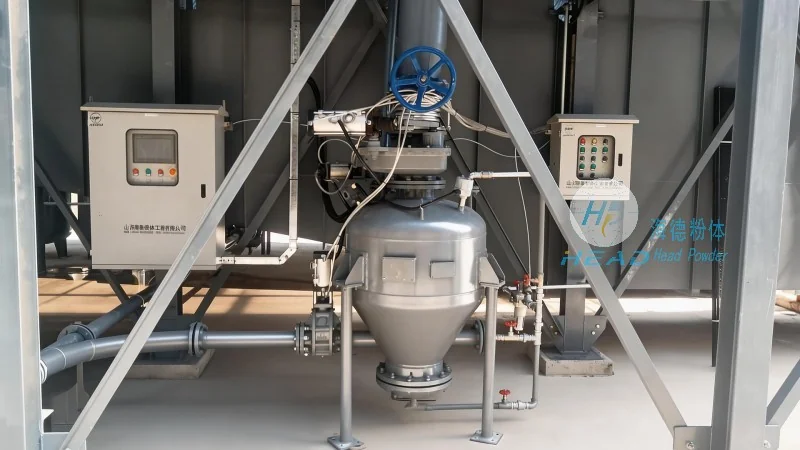
Working Principles: How the System Transfers Material
The working principle of the pneumatic conveying system for bicarbonate of soda relies on the principles of fluid dynamics and air pressure. The system uses a positive pressure or negative pressure (or a combination of both, known as a mixed flow system) to move the material. In a positive pressure system, the compressor pushes air into the conveying line, creating a high-pressure environment that forces the material to move forward. The air stream acts as a carrier, suspending the material particles and transporting them to the desired location. The design of the conveying line, including the diameter and length, is carefully calculated to maintain the appropriate air velocity to prevent material settling or clogging. The system's efficiency depends on maintaining the correct air-to-material ratio, which is crucial for optimal performance.
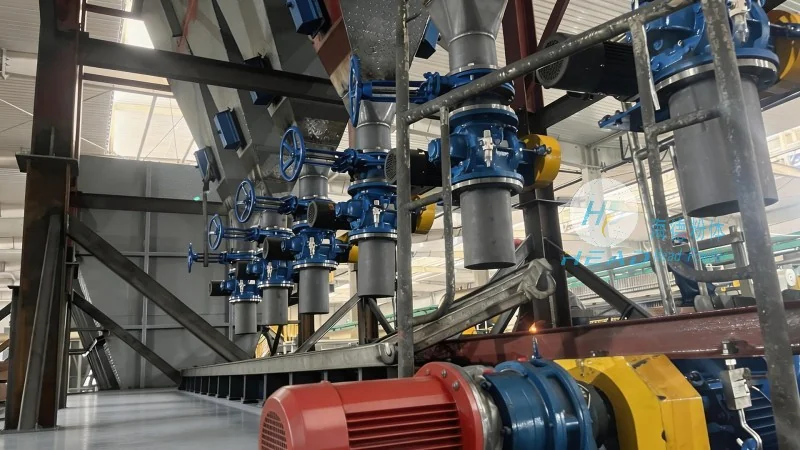
Advantages of Using a Pneumatic Conveying System for Bicarbonate of Soda
Implementing a pneumatic conveying system for bicarbonate of soda offers several advantages over traditional methods like belt conveyors or bucket elevators. These systems are highly efficient in terms of material handling speed and can transport materials over long distances without the need for multiple transfer points. They also reduce the risk of material contamination and damage, as the material is enclosed within the conveying line. Additionally, the system can be easily integrated with other processing equipment, such as mixers or reactors, to streamline the production process. The use of corrosion-resistant materials in the construction of the conveying line ensures durability and longevity, minimizing maintenance costs over time.
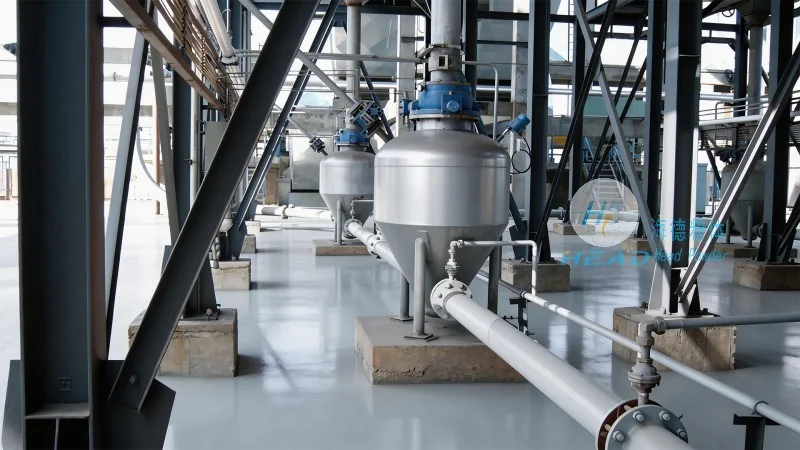
Applications and Industries Utilizing Bicarbonate of Soda Pneumatic Conveying Systems
Bicarbonate of soda pneumatic conveying systems are widely used in various industries that rely on this chemical. These include food and beverage processing, pharmaceutical manufacturing, chemical production, and water treatment facilities. In the food industry, the system is used to transport bicarbonate of soda for baking applications or as a leavening agent. In pharmaceuticals, it is used in the production of tablets and other medicinal products. The chemical industry utilizes it in the manufacturing of other chemicals, and water treatment plants use it for pH adjustment. The versatility of the system makes it suitable for a wide range of applications, ensuring that the material is handled safely and efficiently in each industry.
Maintenance and Safety Considerations
Proper maintenance and safety measures are essential to ensure the reliable operation of the bicarbonate of soda pneumatic conveying system. Regular inspection of the conveying line, rotary valve, and compressor is necessary to identify and address any potential issues before they lead to system failure. The system should be equipped with safety features such as pressure relief valves and emergency shut-off mechanisms to prevent accidents. Additionally, the dust collection system must be regularly cleaned to prevent clogging and ensure effective filtration. Proper training for operators on the safe operation of the system is also crucial to minimize the risk of accidents and ensure compliance with safety regulations.