

Operation Process and Working Principle of Lightweight Cement Pneumatic Conveying System
For industrial applications requiring efficient and reliable material handling, the lightweight cement pneumatic conveying system offers a robust solution. This system is engineered to transport lightweight cement and similar powders with precision, ensuring minimal loss and optimal performance. The following article provides a detailed overview of the operation process and working principle of such a system, highlighting the key components and operational steps involved.
Introduction to Lightweight Cement Pneumatic Conveying Systems
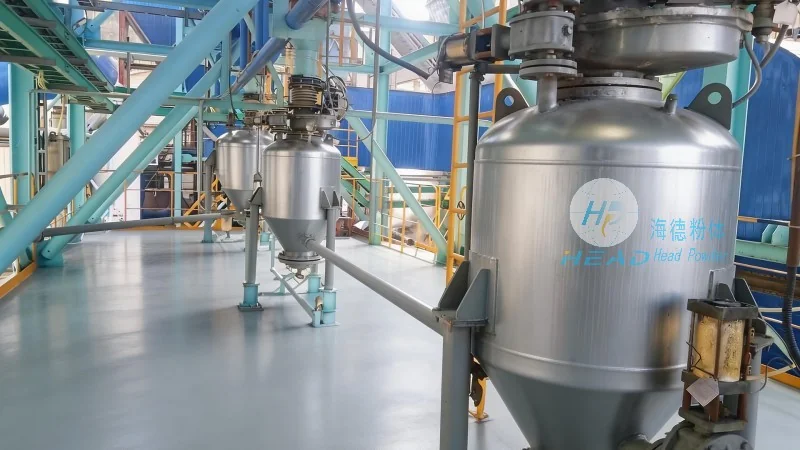
HeadPowder, a leading manufacturer based in Shandong, China, specializes in the design and production of advanced pneumatic conveying systems tailored for the cement industry. The lightweight cement pneumatic conveying system is a critical piece of equipment for cement plants, enabling the safe and efficient transport of raw materials and finished products. This system utilizes air as the primary medium to move powders through a network of pipes, eliminating the need for mechanical components like belts or buckets that are prone to wear and maintenance issues.
Key Components of the Pneumatic Conveying System
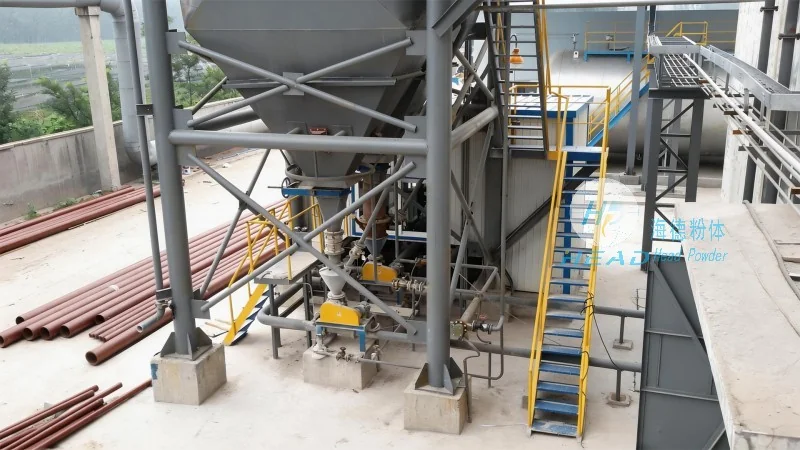
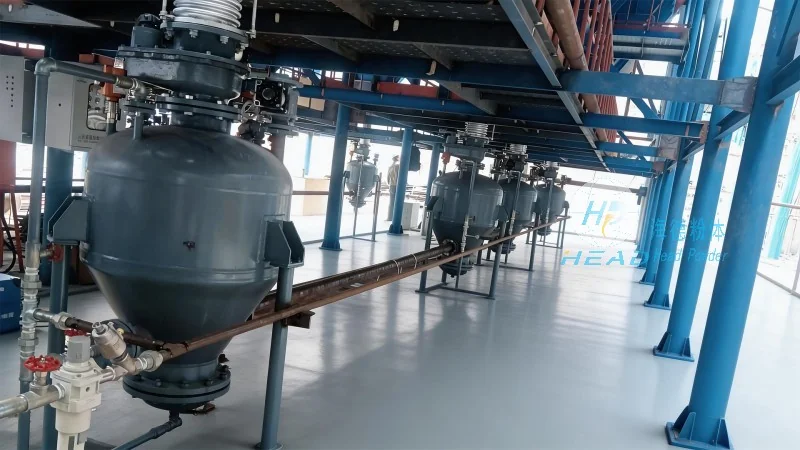
The lightweight cement pneumatic conveying system consists of several essential components that work in tandem to ensure smooth operation. These include the material hopper, which serves as the storage and feeding unit for the cement; the air compressor, responsible for generating the necessary air pressure to move the material; the conveying line, a network of pipes that transports the cement from the hopper to the discharge point; the control valve, which regulates the flow of air and material; and the dust collector, which captures any airborne particles to maintain air quality and prevent contamination.
Working Principle of the System
The operation of the lightweight cement pneumatic conveying system is based on the principle of pneumatic transport, where air is used to create a pressure differential that propels the material through the system. The process begins with the material being fed from the hopper into the conveying line. As the air compressor generates high-pressure air, it is introduced into the conveying line, creating a flow that pulls the cement particles along. The air and material mixture travels through the pipes, with the air pressure maintaining the flow and preventing blockages. The system is designed to handle lightweight cement efficiently, as the low density of the material allows for effective transport with minimal air consumption.
Operation Process Step-by-Step
1. **Material Loading**: The lightweight cement is loaded into the material hopper, which is equipped with a feeding mechanism to control the flow rate. This ensures a consistent supply of material to the conveying line. 2. **Air Compression**: The air compressor is activated, generating the required pressure to move the material. The pressure is adjusted based on the system's design and the material's characteristics. 3. **Conveying**: As the air flows through the conveying line, it draws the cement particles from the hopper and transports them to the discharge point. The system's design ensures that the material is moved without segregation or loss. 4. **Discharge and Collection**: At the discharge end, the cement is collected in a storage tank or directly to the next processing stage. The air is then filtered and returned to the system or released safely. 5. **Dust Control**: The dust collector captures any airborne particles, ensuring that the system operates in a clean and safe environment. This step is crucial for maintaining air quality and preventing dust-related hazards.
Advantages of the Lightweight Cement Pneumatic Conveying System
The lightweight cement pneumatic conveying system offers several advantages over traditional mechanical conveying methods. These include reduced maintenance costs due to the absence of moving parts, improved material handling efficiency with minimal loss, and enhanced safety features such as dust control. The system is also highly adaptable, allowing for customization based on the specific requirements of the cement plant. Additionally, the use of air as the transport medium results in lower energy consumption compared to other methods, making it an environmentally friendly option.
Applications and Industries
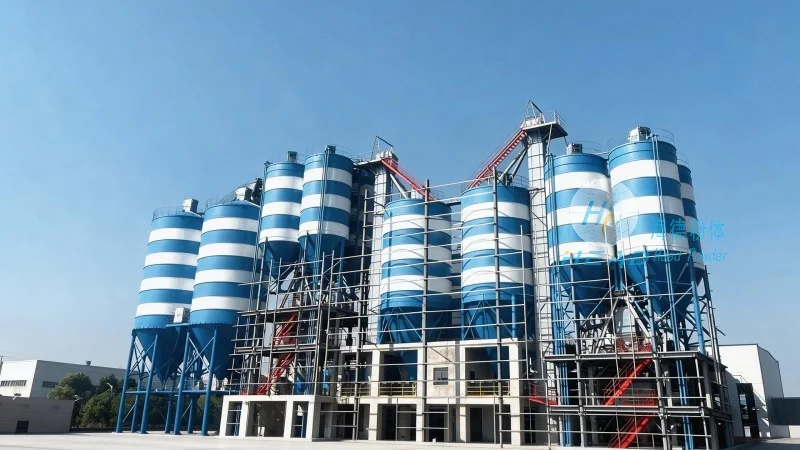
The lightweight cement pneumatic conveying system is widely used in various industries, particularly in the cement manufacturing sector. It is suitable for transporting raw materials such as limestone, clay, and gypsum, as well as finished products like cement. The system is also applicable in other industries that handle lightweight powders, including pharmaceuticals, food processing, and chemical manufacturing. Its versatility and efficiency make it a preferred choice for companies seeking reliable material handling solutions.
Conclusion
In conclusion, the lightweight cement pneumatic conveying system is a sophisticated and efficient solution for transporting lightweight cement and similar powders. With its robust design and advanced components, the system ensures optimal performance and minimal maintenance. HeadPowder, as a leading manufacturer based in Shandong, China, provides high-quality systems that meet the specific needs of cement plants and other industries. By understanding the operation process and working principle of such a system, users can appreciate the benefits of pneumatic conveying and make informed decisions when selecting equipment for their material handling requirements.