

Operation Process and Working Principle of Lithium Hexafluorophosphate Pneumatic Conveying System
Shandong HeadPowder Engineering Co., Ltd., a leading enterprise in the field of powder handling technology, specializes in the design, manufacturing, and implementation of advanced pneumatic conveying systems. Among their portfolio is the Lithium Hexafluorophosphate Pneumatic Conveying System, a critical equipment for efficiently transporting lithium hexafluorophosphate (LiPF₆), a key component in lithium-ion battery production. This system exemplifies modern engineering solutions tailored to meet the demanding requirements of the battery industry, ensuring high efficiency, reliability, and safety in material handling.
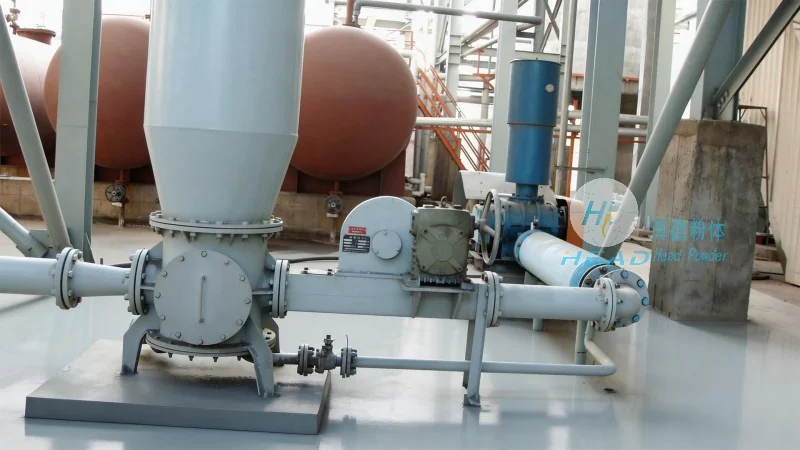
Company Profile and Expertise
HeadPowder, with its headquarters in Shandong, China, has established itself as a trusted partner for businesses in the battery and chemical sectors. The company's team of experienced engineers and technicians brings decades of expertise in pneumatic conveying technologies, enabling them to develop customized solutions that address specific operational challenges. By leveraging cutting-edge design principles and rigorous testing protocols, HeadPowder ensures that each system is optimized for maximum performance and minimal downtime. The Lithium Hexafluorophosphate Pneumatic Conveying System is a testament to their commitment to innovation and quality, reflecting their deep understanding of the unique properties of LiPF₆ and the operational needs of battery manufacturers.
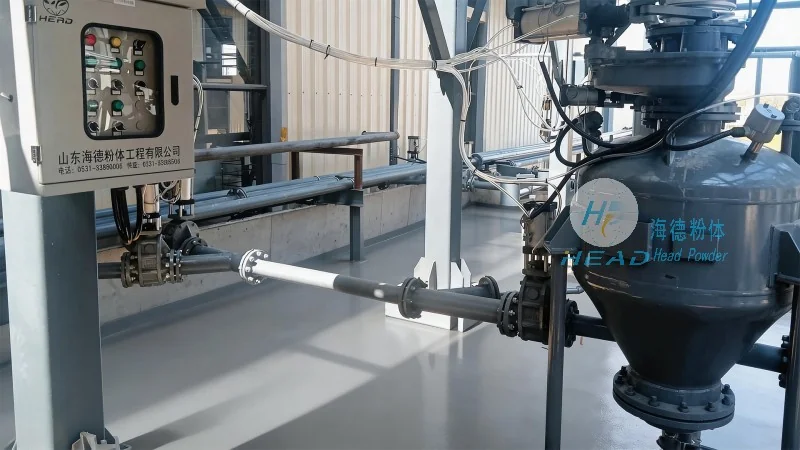
Working Principle of the Pneumatic Conveying System
The Lithium Hexafluorophosphate Pneumatic Conveying System operates on the principle of pneumatic transport, where material is conveyed through a pipeline using a combination of air or gas as the conveying medium. The system typically consists of several key components, including a hopper for material storage, a feeder to control the flow rate, a venturi or pressure vessel to generate the necessary air flow, and a receiver to collect the conveyed material. The process begins with the material being fed from the hopper into the conveying line. As the feeder opens, the material is introduced into the pipeline, where it is entrained by the high-velocity air stream generated by the venturi or pressure vessel. This air stream carries the particles through the pipeline to the receiver, where the material is deposited. The system is designed to handle fine powders like LiPF₆, which are prone to caking and agglomeration, ensuring that the material remains in a free-flowing state throughout the conveying process. The use of positive pressure or negative pressure (depending on the system configuration) allows for flexible operation, adapting to different plant layouts and material characteristics.
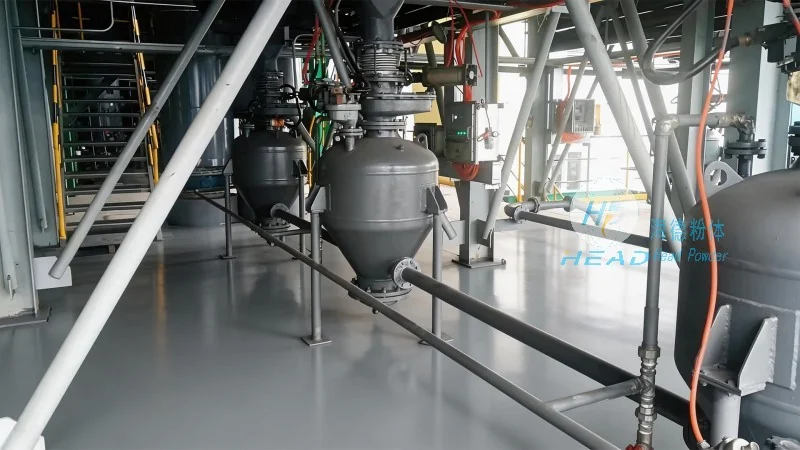
Operation Process and Key Features
The operation process of the Lithium Hexafluorophosphate Pneumatic Conveying System involves several sequential steps, each critical to the system's overall efficiency and reliability. First, the material is loaded into the hopper, which is equipped with a level indicator to monitor the material inventory. The feeder, often a rotary valve or a screw feeder, regulates the flow rate of LiPF₆ into the conveying line. The venturi or pressure vessel then generates the air flow, creating a pressure differential that propels the material through the pipeline. The conveying line is typically made of corrosion-resistant materials, such as stainless steel or PTFE-coated tubing, to prevent contamination and ensure the integrity of the LiPF₆. The receiver is designed to collect the conveyed material and may include a discharge valve to control the release of the material to the next processing stage. Key features of the system include its ability to handle high concentrations of fine particles, low energy consumption, and minimal maintenance requirements. The system is also equipped with safety features, such as pressure relief valves and dust collection systems, to ensure safe operation and compliance with industrial standards.
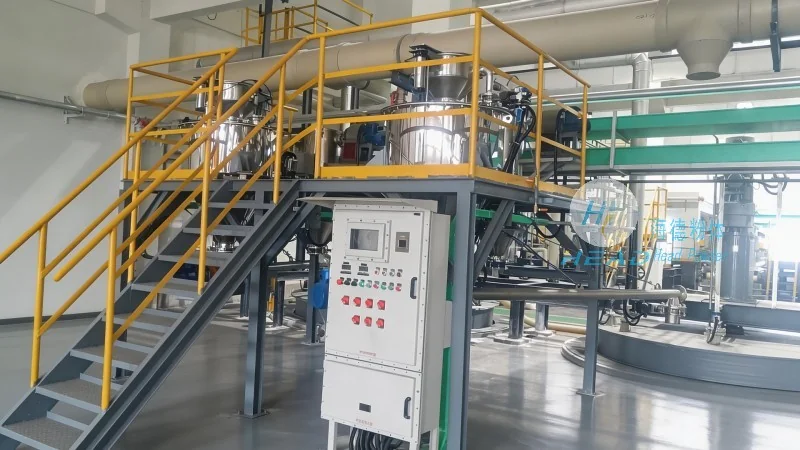
Benefits and Applications
The Lithium Hexafluorophosphate Pneumatic Conveying System offers numerous benefits to battery manufacturers and other industries dealing with fine powders. By eliminating the need for traditional bulk handling methods, such as belt conveyors or bucket elevators, the system reduces material handling costs and improves operational efficiency. The enclosed design of the system minimizes dust emissions, enhancing workplace safety and environmental compliance. Additionally, the system's flexibility allows for easy integration into existing production lines, reducing downtime during installation and maintenance. The system is widely used in the production of lithium-ion batteries, where LiPF₆ is a critical electrolyte component. It is also applicable in other industries, such as pharmaceuticals and chemicals, where fine powders need to be transported safely and efficiently. The system's reliability and low maintenance requirements make it an ideal choice for continuous production environments, ensuring consistent quality and productivity.