

Operation Process and Working Principle of Polypropylene Resin Powder Pneumatic Conveying System
Shandong HeadPowder Engineering Co., Ltd., commonly known as headpowder, is a professional manufacturer and supplier of pneumatic conveying systems. The company is located in Shandong, China, and specializes in the design, production, and installation of advanced material handling solutions for various industries.
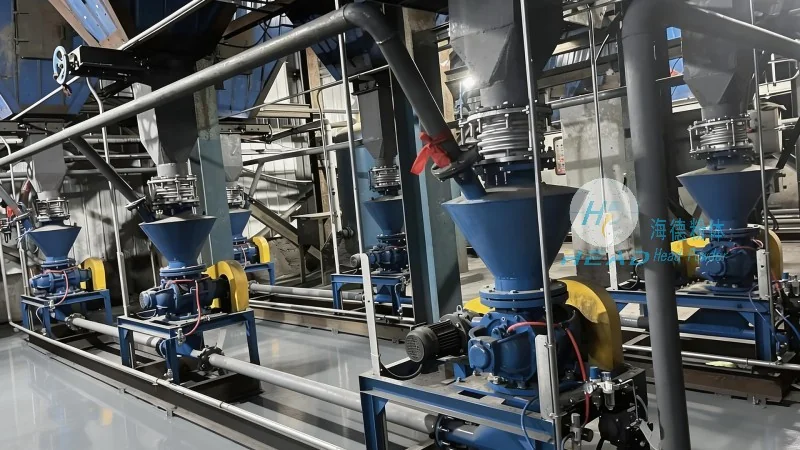
Polypropylene Resin Powder Pneumatic Conveying System Overview
The polypropylene resin powder pneumatic conveying system is a specialized equipment designed for the efficient and safe transportation of polypropylene resin powders. This system is widely used in the plastics manufacturing industry to transfer resin powders from storage silos or hoppers to processing equipment such as extruders or mixers. The system ensures minimal product degradation, low dust generation, and high transfer efficiency, making it an ideal solution for handling polypropylene resin powders in industrial applications.
Operation Process of the Polypropylene Resin Powder Pneumatic Conveying System
The operation process of the polypropylene resin powder pneumatic conveying system involves several key steps to ensure smooth and continuous material transfer. First, the polypropylene resin powder is fed into the system from a storage silo or a hopper. The material is then drawn into the conveying line by a high-pressure or low-pressure air stream generated by a centrifugal or positive displacement blower. The air and powder mixture travels through the pipeline, with the powder being suspended and transported to the destination point. At the receiving end, the powder is separated from the air using a cyclone separator or a filter, and the air is then discharged or recirculated. The system operates continuously, with the blower maintaining a consistent air pressure to ensure stable material flow.
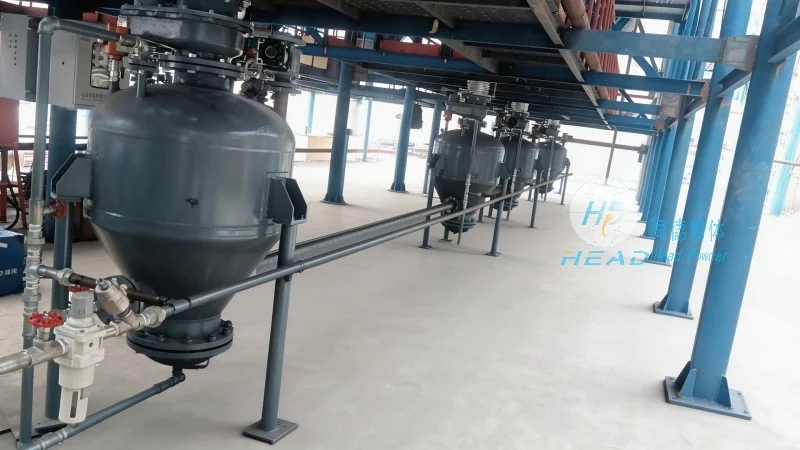
Working Principle of the Polypropylene Resin Powder Pneumatic Conveying System
The working principle of the polypropylene resin powder pneumatic conveying system is based on the principle of pneumatic transport, where the material is conveyed using an air stream. The system consists of several key components, including a blower, a hopper or silo, a conveying pipeline, a separator, and a control system. The blower provides the necessary air pressure and flow rate to create a vacuum or pressure differential that draws the polypropylene resin powder into the pipeline. The powder is then suspended in the air stream and transported through the pipeline. The separator at the receiving end uses centrifugal force to separate the powder from the air, allowing the powder to be discharged into the processing equipment while the air is either vented or recirculated back to the blower. The control system monitors the pressure, flow rate, and other parameters to ensure the system operates efficiently and safely.
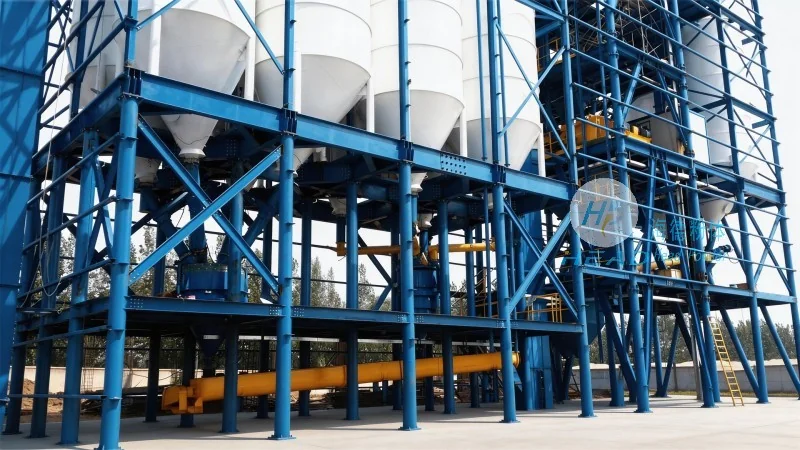
Key Components and Their Functions
Each component of the polypropylene resin powder pneumatic conveying system plays a crucial role in the overall operation. The blower is the heart of the system, providing the air pressure required to move the powder. The hopper or silo stores the polypropylene resin powder and feeds it into the system. The conveying pipeline transports the powder and air mixture from the source to the destination. The separator separates the powder from the air, ensuring that the powder is delivered to the processing equipment without contamination. The control system manages the operation of the blower, hopper, and separator, ensuring that the system operates at optimal conditions.
Advantages of the Polypropylene Resin Powder Pneumatic Conveying System
The polypropylene resin powder pneumatic conveying system offers several advantages over traditional material handling methods. First, it provides a dust-free and clean transfer process, which is essential for polypropylene resin powders that are sensitive to moisture and contamination. Second, the system is highly efficient, with a high transfer rate and low energy consumption. Third, the system is flexible and can be customized to meet the specific needs of different industrial applications. Fourth, the system is safe and reliable, with built-in safety features such as pressure relief valves and emergency stop buttons.