

Operation Process and Working Principle of Mobile Pneumatic Conveying Equipment
Mobile pneumatic conveying equipment, as a key component in material handling systems, plays a crucial role in the efficient and safe transportation of bulk materials. This equipment is designed to move powders, granules, and other particulate materials through a pipeline using air pressure. The operation process and working principle of such equipment are essential for understanding its functionality and ensuring optimal performance in industrial applications.
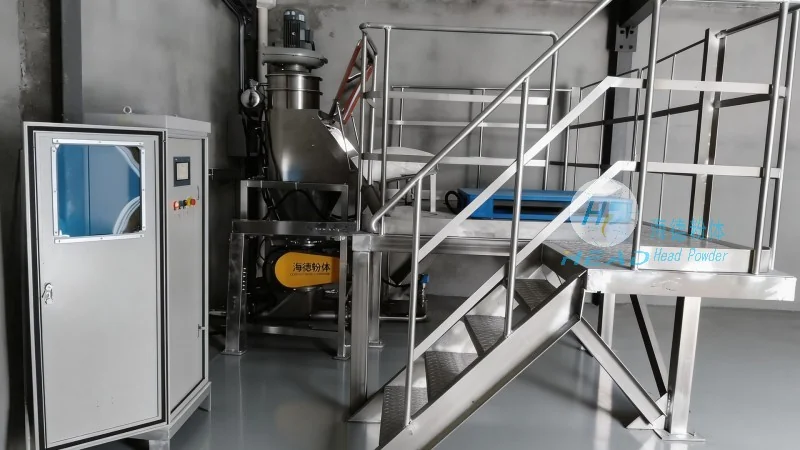
Headpowder, a leading manufacturer based in Shandong, China, specializes in the design, production, and supply of advanced pneumatic conveying solutions. With a strong commitment to quality and innovation, the company has established itself as a trusted partner in the material handling industry, providing reliable equipment that meets the diverse needs of various sectors.
Operation Process of Mobile Pneumatic Conveying Equipment
The operation process of mobile pneumatic conveying equipment typically involves several key steps. First, the material to be conveyed is fed into the hopper or feeder, where it is prepared for transport. The feeder then regulates the flow of material into the pipeline, ensuring a consistent and controlled discharge. Next, the conveying system uses a blower or compressor to generate the necessary air pressure, which propels the material through the pipeline. The air and material mixture travels to the discharge point, where the material is separated from the air, often through a cyclone or filter system. Finally, the separated material is collected in a storage bin or container, while the air is either recirculated or discharged to the atmosphere. This process is repeated continuously to maintain a steady flow of material.
Working Principle of Mobile Pneumatic Conveying Equipment
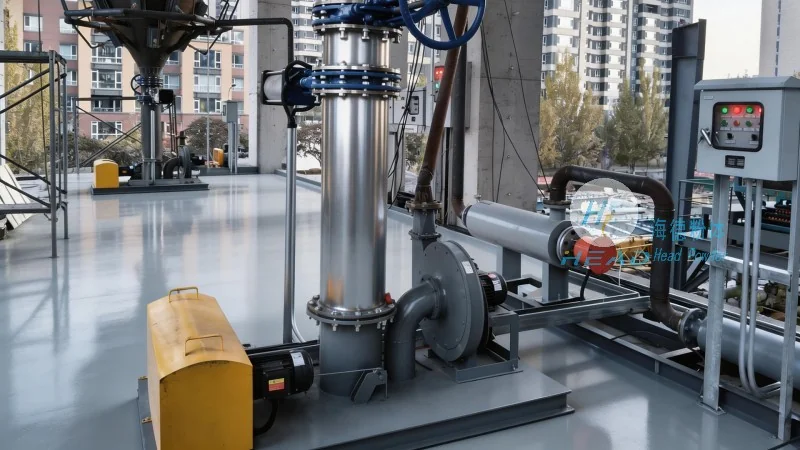
The working principle of mobile pneumatic conveying equipment is based on the use of air as a medium to transport materials. There are two main types of pneumatic conveying systems: pressure and vacuum. In pressure systems, the blower or compressor creates positive pressure in the pipeline, pushing the material forward. In vacuum systems, a vacuum pump creates negative pressure, drawing the material into the pipeline. The choice between pressure and vacuum systems depends on the material characteristics, distance of transport, and system requirements. The equipment uses a combination of air flow, material feed rate, and pipeline design to achieve efficient and reliable material transport. The blower or compressor provides the necessary air volume and pressure to move the material, while the feeder and hopper ensure a consistent material supply. The separation system, such as a cyclone or filter, separates the material from the air, allowing the material to be collected and the air to be recycled or vented. This integrated approach ensures that the equipment operates efficiently and safely, minimizing material loss and energy consumption.
Advantages of Mobile Pneumatic Conveying Equipment
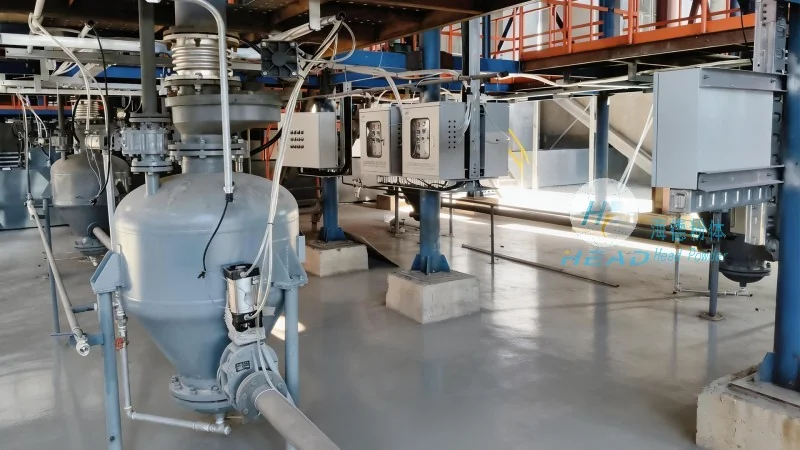
Mobile pneumatic conveying equipment offers several advantages over traditional material handling methods. One of the key benefits is its ability to transport materials over long distances without the need for complex infrastructure, such as conveyor belts or elevators. The equipment is also suitable for handling a wide range of materials, including powders, granules, and bulk solids, making it versatile for various industrial applications. Additionally, the system is compact and can be easily moved or reconfigured to adapt to changing production needs. The use of air as a conveying medium reduces the risk of material contamination and damage, which is particularly important for sensitive materials. Furthermore, the equipment operates with low noise levels and minimal maintenance requirements, contributing to a safer and more efficient working environment.
Applications of Mobile Pneumatic Conveying Equipment
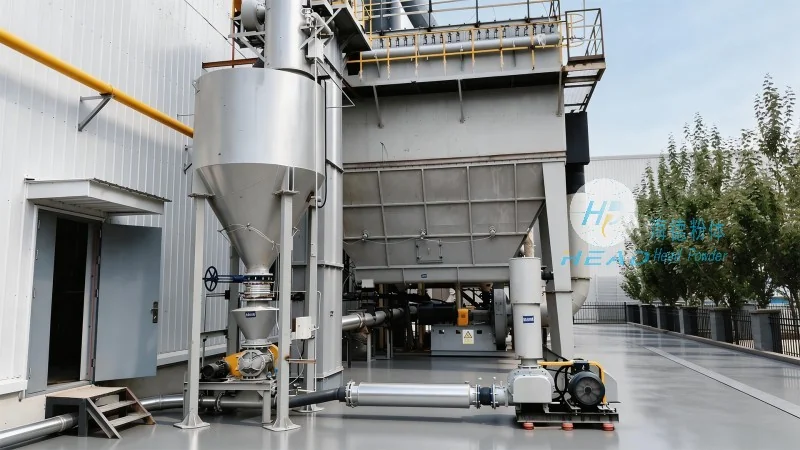
Mobile pneumatic conveying equipment is widely used in various industries, including food processing, pharmaceuticals, chemicals, and mining. In the food industry, it is used to transport ingredients like flour, sugar, and spices, ensuring hygiene and preventing contamination. In the pharmaceutical industry, the equipment is used to handle active pharmaceutical ingredients (APIs) and other sensitive materials, maintaining strict quality control standards. In the chemical industry, it is used to transport powders and granules, such as fertilizers and pigments, with precision and efficiency. In the mining industry, the equipment is used to transport ore and other bulk materials from the mine to processing facilities, improving operational efficiency and reducing labor costs. The versatility and adaptability of the equipment make it suitable for a wide range of applications, making it an essential tool in modern material handling.
Company Commitment to Quality and Innovation
Headpowder, as a leading manufacturer of mobile pneumatic conveying equipment, is committed to providing high-quality, reliable, and innovative solutions to meet the evolving needs of the material handling industry. The company invests in research and development to improve the performance and efficiency of its equipment, ensuring that it meets the latest industry standards and regulations. With a team of experienced engineers and technicians, Headpowder offers comprehensive support, including design, installation, and maintenance services, to ensure that its customers achieve optimal performance and long-term value from their equipment. The company's dedication to quality and customer satisfaction has earned it a reputation as a trusted partner in the industry, providing solutions that enhance productivity and safety in material handling operations.