

Operation Process and Working Principle of Wheat Bran Pneumatic Conveying Equipment
Wheat bran, a byproduct of wheat processing, is widely used in the food and feed industries. Efficient and reliable transportation of wheat bran is crucial for maintaining production efficiency and product quality. Pneumatic conveying equipment, specifically designed for handling wheat bran, has become an essential component in modern processing facilities. This article explores the operation process and working principle of such equipment, highlighting its importance and the technical aspects that make it effective.
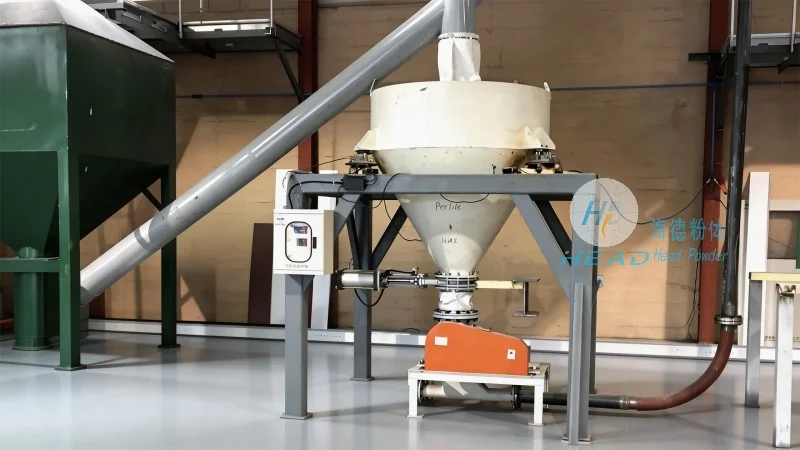
HeadPowder, a leading manufacturer in the field, specializes in the design, manufacturing, and supply of pneumatic conveying systems tailored for various bulk materials, including wheat bran. With a strong commitment to quality and innovation, Shandong HeadPowder Engineering Co., Ltd. has established itself as a trusted partner for industries seeking advanced material handling solutions. The company's facilities are located in Shandong, China, where it leverages local expertise and resources to deliver high-performance equipment.
Working Principle of Pneumatic Conveying Systems
Pneumatic conveying systems operate by using air to transport bulk materials through a pipeline. There are two primary types of systems: positive pressure and negative pressure. In positive pressure systems, air is forced into the conveying line, creating a pressure higher than the ambient air, which propels the material forward. Negative pressure systems, on the other hand, create a vacuum in the line, drawing the material into the system. For wheat bran, which is a relatively light and fine material, positive pressure systems are often preferred due to their ability to handle high volumes and maintain consistent flow rates.
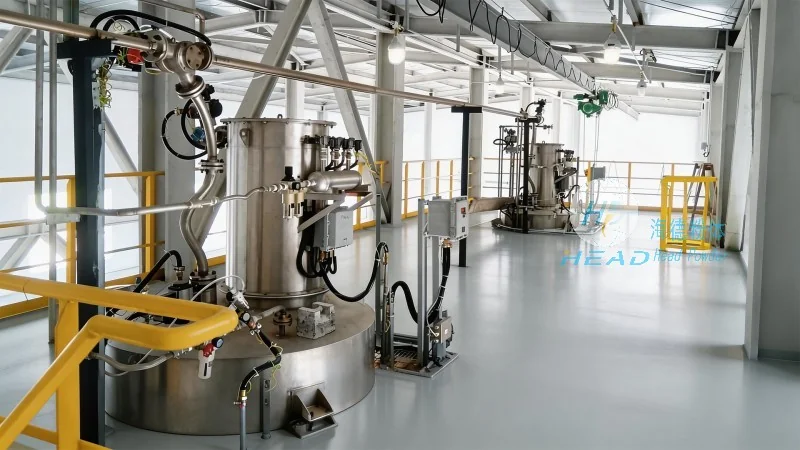
The core components of a pneumatic conveying system include a material feeder, a conveying line, a separation unit, and a dust collection system. The material feeder, typically a rotary valve or a screw feeder, ensures a steady supply of wheat bran into the system. The conveying line, made of durable materials like stainless steel or plastic, transports the material from the feeder to the discharge point. The separation unit, such as a cyclone or a bag filter, separates the air from the material, allowing the wheat bran to be collected in a hopper or storage bin. The dust collection system ensures that the air is filtered and released back into the environment, meeting environmental regulations.
Operation Process of the Equipment
The operation of wheat bran pneumatic conveying equipment involves several sequential steps. First, the wheat bran is fed into the material feeder, which controls the flow rate to match the system's capacity. The feeder then delivers the material into the conveying line, where it is mixed with the air. The air, under pressure, moves the material through the pipeline, maintaining a consistent velocity to prevent blockages or material degradation. At the discharge point, the separation unit separates the air from the wheat bran. The wheat bran is collected in a storage bin or transferred to the next processing stage, while the air is filtered and returned to the system or released safely.
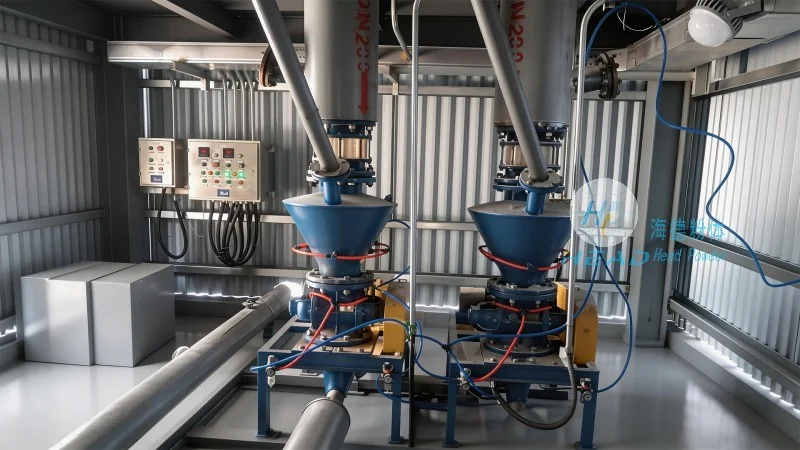
During operation, the system's pressure and flow rate are monitored continuously to ensure optimal performance. Sensors and control panels provide real-time data on the material flow, air pressure, and system efficiency. Any deviations from the set parameters are automatically adjusted by the control system, minimizing downtime and ensuring consistent product quality. The equipment is designed to handle varying loads and material characteristics, making it adaptable to different production requirements.
Key Components and Their Functions
1. Material Feeder: The feeder is responsible for introducing wheat bran into the conveying line. It can be a rotary valve, which rotates to release material in controlled amounts, or a screw feeder, which uses a rotating screw to push material forward. The feeder ensures a uniform flow rate, preventing overloading or underloading of the system.