

Operation Process and Working Principle of Silica Powder Pneumatic Conveying System Equipment
HeadPowder, a leading manufacturer based in Shandong, China, specializes in the design, development, and supply of advanced pneumatic conveying systems tailored for handling silica powder. This article provides a detailed overview of the operation process and working principle of such systems, highlighting the key components, operational steps, and technical aspects that ensure efficient and reliable material transport.
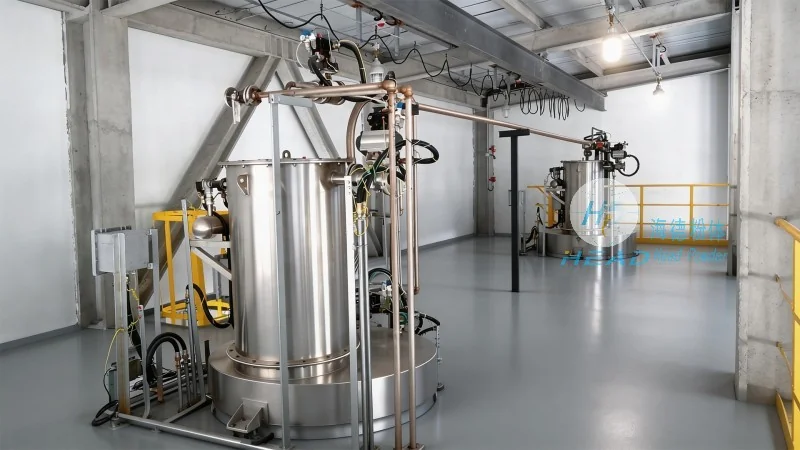
Key Components of the Pneumatic Conveying System
The silica powder pneumatic conveying system typically consists of several core components that work in concert to achieve effective material transfer. These include the material hopper, air compressor or blower, conveying pipeline, control valves, and dust collection equipment. Each component plays a crucial role in the overall system performance.
The material hopper is designed to store the silica powder and maintain a consistent feed rate. It often features a hopper with a conical bottom to facilitate smooth discharge of the powder. The air compressor or blower generates the necessary air pressure to create the conveying air flow. The conveying pipeline, usually made of stainless steel or other corrosion-resistant materials, transports the powder and air mixture. Control valves regulate the air flow and pressure, ensuring stable operation. Finally, the dust collection system captures any fine particles that may escape during the conveying process, maintaining environmental compliance and system cleanliness.
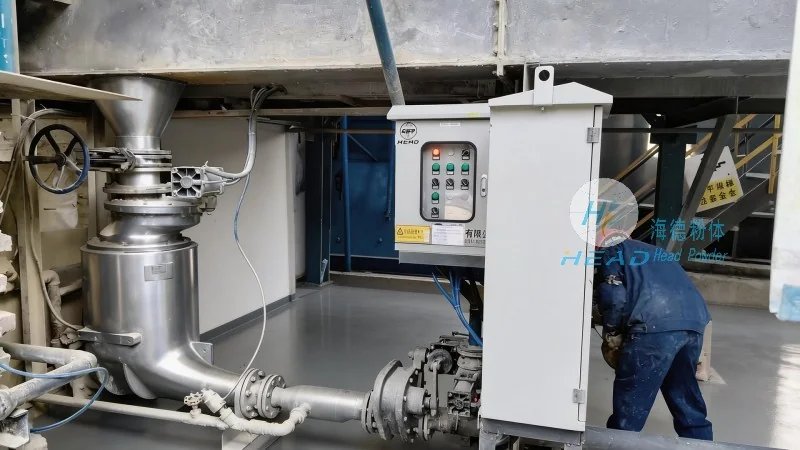
Working Principle of the Pneumatic Conveying Process
The working principle of the silica powder pneumatic conveying system is based on the use of compressed air to transport the powder particles through the pipeline. The process can be broadly divided into two main modes: dilute phase and dense phase conveying, each with distinct characteristics and applications.
In dilute phase conveying, the powder is suspended in the air stream as a fine mist. The air velocity is relatively high, typically ranging from 20 to 30 meters per second, which allows the powder to be carried over long distances with minimal pressure drop. This mode is suitable for transporting fine powders over medium to long distances, such as in industrial plants where the powder needs to be moved from a storage area to a processing unit.
In dense phase conveying, the powder is conveyed in a more concentrated form, with lower air velocities and higher pressure. The powder particles are less suspended and more compact, resulting in lower air consumption and reduced wear on the system components. This mode is ideal for handling abrasive or sensitive powders, as it minimizes particle degradation and equipment wear.
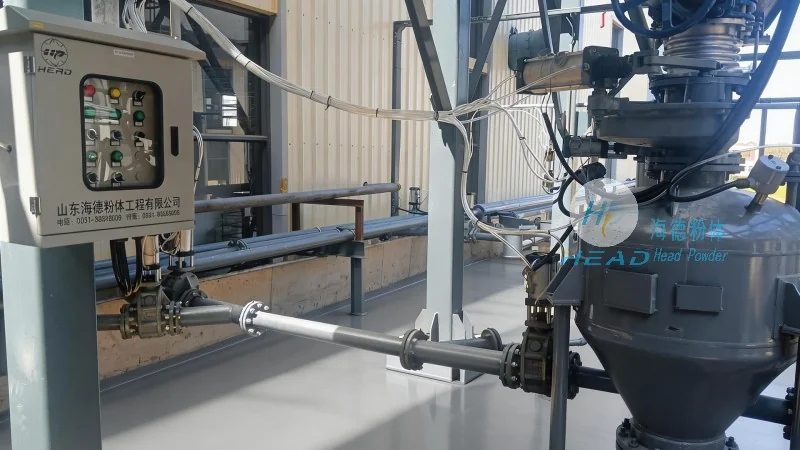
Operation Process: Step-by-Step Guide
The operation of the silica powder pneumatic conveying system follows a systematic sequence of steps to ensure efficient material transfer. The process begins with the loading of silica powder into the material hopper. The hopper is equipped with a feeder that controls the flow rate of the powder into the conveying pipeline. Simultaneously, the air compressor starts and generates the required air pressure.
Once the air pressure is established, the control valves open to allow the compressed air to enter the pipeline. The air flow then picks up the silica powder from the hopper and transports it through the pipeline to the destination point, such as a storage silo or processing equipment. The system continuously monitors the air pressure, flow rate, and powder level to maintain stable operation. If any abnormalities are detected, the control system automatically adjusts the parameters to restore normal operation.
At the receiving end, the powder is discharged from the pipeline into the target container. The air flow continues to carry any remaining particles until the system reaches a stable state. The dust collection system operates concurrently, capturing any fine particles that may escape during the conveying process and returning them to the system or disposing of them as required.
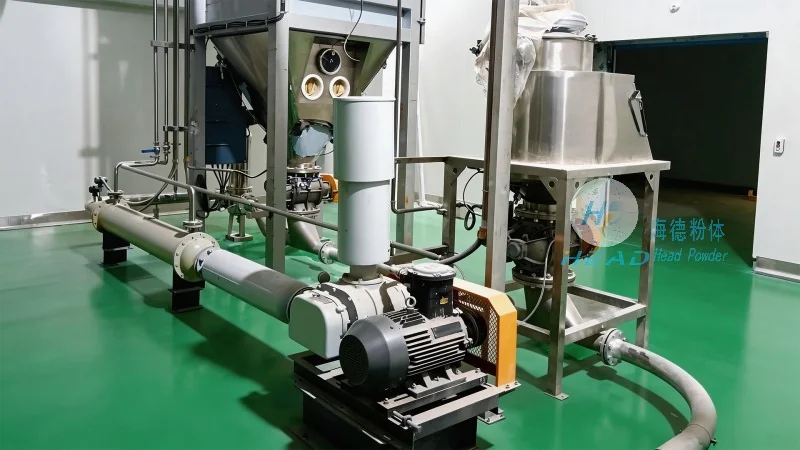
Advantages and Applications
The silica powder pneumatic conveying system offers several advantages over traditional mechanical conveying methods. These include reduced equipment wear, lower maintenance costs, and the ability to handle abrasive or corrosive materials. The system is also suitable for transporting powders over long distances, with minimal material degradation and loss. Additionally, the enclosed pipeline design helps maintain product quality and prevents contamination from external factors.
HeadPowder's pneumatic conveying systems are widely used in various industries, including chemical, pharmaceutical, food, and mining. They are particularly suitable for transporting silica powder, which is commonly used in the production of glass, ceramics, and other industrial products. The systems can be customized to meet specific application requirements, such as varying powder flow rates, conveying distances, and environmental regulations.