

Operation Process and Working Principle of PTFE Powder Handling Equipment
PTFE (Polytetrafluoroethylene) powder handling equipment is a specialized system designed to transport and manage PTFE powders efficiently and safely. As a leading manufacturer in the field, Shandong HeadPowder Engineering Co., Ltd. specializes in providing high-quality PTFE powder handling solutions that meet the demanding requirements of various industrial applications. This article explores the operation process and working principle of such equipment, highlighting the key components and mechanisms involved in its functionality.
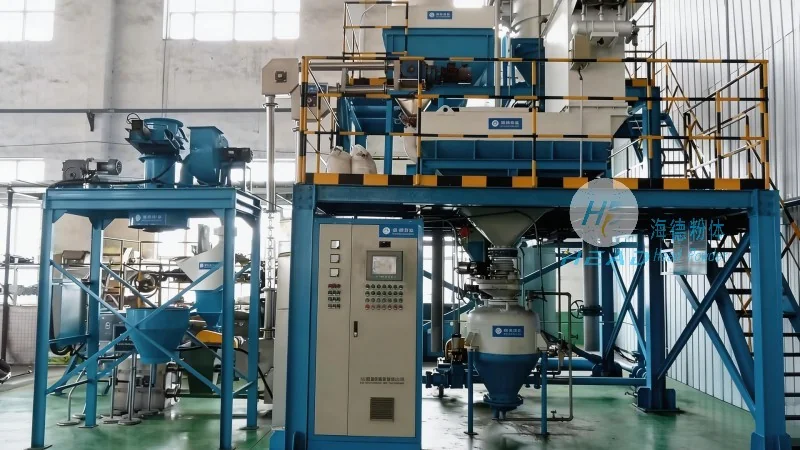
Company Overview and Expertise
Shandong HeadPowder Engineering Co., Ltd., commonly known as headpowder, is a reputable company based in Shandong, China. With years of experience in the powder handling industry, headpowder has developed advanced PTFE powder handling equipment that ensures optimal performance, reliability, and safety. The company's commitment to innovation and quality has made it a trusted partner for businesses seeking efficient PTFE powder transportation solutions.
Key Components of PTFE Powder Handling Equipment
The PTFE powder handling system typically consists of several critical components that work in tandem to achieve effective material transport. These components include feeders, conveyors, storage hoppers, and control systems. Each component plays a vital role in the overall operation, ensuring that PTFE powders are handled with precision and minimal risk of contamination or loss. The feeders are responsible for regulating the flow of PTFE powder from the storage hopper to the conveyor system, while the conveyors transport the material to the desired destination. Storage hoppers provide a secure and controlled environment for storing PTFE powders, preventing moisture and other contaminants from affecting the material quality. Control systems monitor and adjust the operation of the equipment, ensuring consistent performance and safety.
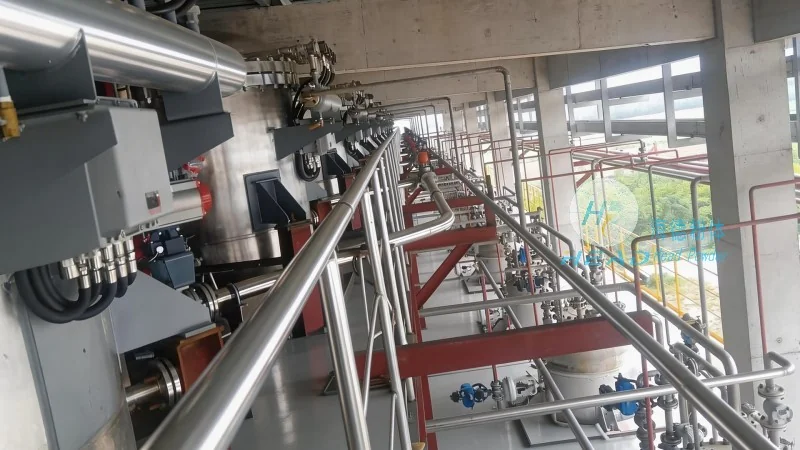
Operation Process of PTFE Powder Handling Equipment
The operation process of PTFE powder handling equipment involves several sequential steps that ensure smooth and efficient material transport. The process begins with the loading of PTFE powders into the storage hopper. The hopper is designed to maintain the material in a stable condition, preventing caking or agglomeration. Once the hopper is filled, the feeder activates and begins to regulate the flow of PTFE powder into the conveyor system. The conveyor then transports the powder to the processing or storage location. The control system continuously monitors the flow rate, pressure, and other parameters to ensure that the operation is within safe and optimal limits. If any deviations are detected, the system automatically adjusts the feeder speed or conveyor speed to maintain the desired flow rate. This closed-loop control system ensures consistent and reliable operation of the PTFE powder handling equipment.
Working Principle of PTFE Powder Handling Equipment
The working principle of PTFE powder handling equipment is based on the principles of fluidization and mechanical transport. PTFE powders are typically handled in a dry state, and the equipment uses a combination of air flow and mechanical force to move the material. The feeders use a screw or vibratory mechanism to displace the powder from the hopper and feed it into the conveyor. The conveyor system, which may be a pneumatic or mechanical conveyor, uses air pressure or mechanical rollers to transport the powder. The air flow is carefully controlled to maintain a uniform flow rate and prevent dust generation. The control system ensures that the air pressure and flow rate are optimized to minimize energy consumption and maximize efficiency. The entire system is designed to handle PTFE powders without causing degradation or contamination, ensuring that the material remains in its original state throughout the handling process.
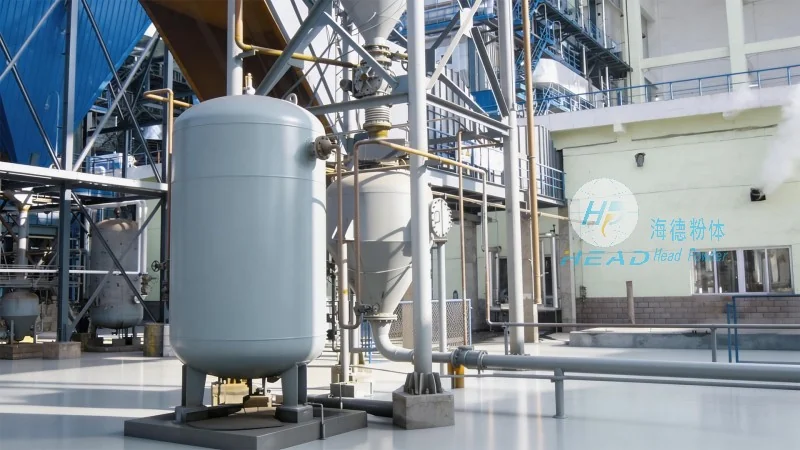
Advantages of PTFE Powder Handling Equipment
PTFE powder handling equipment offers several advantages over traditional handling methods. The equipment is designed to handle PTFE powders with minimal risk of contamination, ensuring that the material remains pure and suitable for its intended applications. The closed-loop control system provides consistent and reliable operation, reducing downtime and maintenance costs. The equipment is also energy-efficient, using minimal power to transport the material. Additionally, the system is designed to be compact and easy to install, making it suitable for various industrial settings. The use of PTFE powder handling equipment improves the overall efficiency of the production process, reduces material loss, and enhances safety in the workplace.
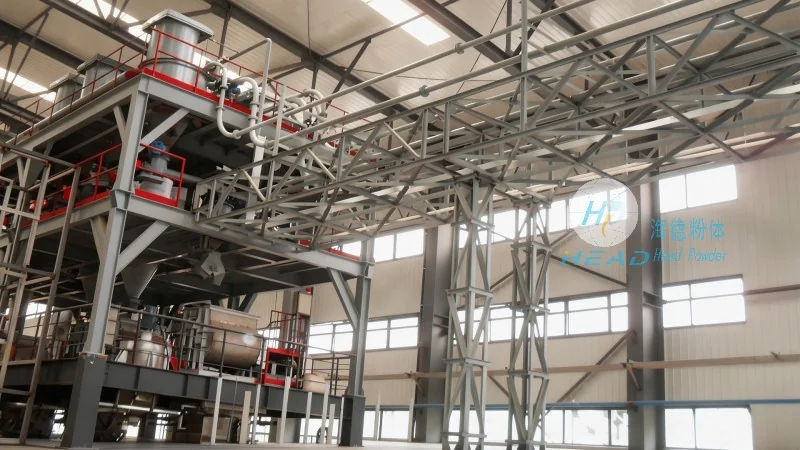
Applications of PTFE Powder Handling Equipment
PTFE powder handling equipment is widely used in various industries, including chemical, pharmaceutical, and manufacturing. The equipment is particularly useful in applications where PTFE powders need to be transported from storage to processing equipment, such as extruders, mixers, or injection molding machines. The equipment is also used in research and development laboratories where PTFE powders are handled in small quantities. The versatility of PTFE powder handling equipment makes it suitable for a wide range of applications, from industrial production to laboratory testing.
Conclusion
In conclusion, PTFE powder handling equipment is a critical component in the efficient and safe handling of PTFE powders. The operation process and working principle of such equipment are designed to ensure optimal performance, reliability, and safety. Shandong HeadPowder Engineering Co., Ltd. provides high-quality PTFE powder handling equipment that meets the demanding requirements of various industrial applications. The company's expertise and commitment to innovation have made it a trusted partner for businesses seeking efficient PTFE powder transportation solutions. By understanding the operation process and working principle of PTFE powder handling equipment, users can optimize their production processes and improve overall efficiency.