

The Operation Process and Working Principle of Zircon Sand Powder Pneumatic Conveying
Understanding the operation process and working principle of zircon sand powder pneumatic conveying is crucial for optimizing material handling in industrial applications. This technology, widely used in the processing of zircon sand—a key raw material in ceramics, refractories, and other high-value industries—enables efficient and reliable transport of fine powders over long distances without the need for mechanical components like belts or screws.

Overview of Zircon Sand Powder Pneumatic Conveying
Zircon sand, characterized by its high zirconium oxide content and durability, is often processed as a fine powder for various industrial uses. Pneumatic conveying systems offer a solution to transport this powder efficiently, minimizing dust exposure and operational costs compared to traditional methods. The process involves the use of compressed air to move the powder through a pipeline network, ensuring a continuous and controlled flow of material.
Key Components and Their Roles
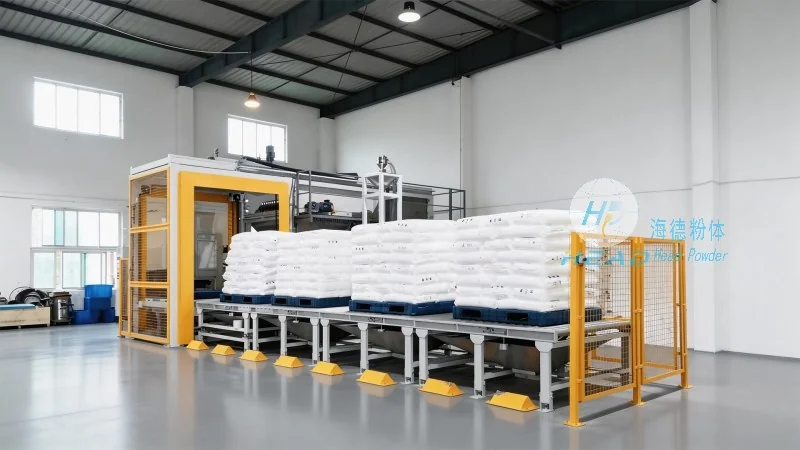
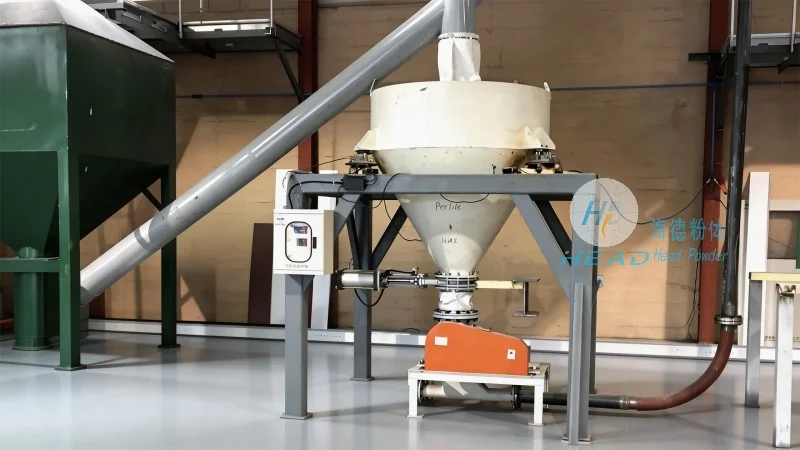
The pneumatic conveying system for zircon sand powder typically consists of several critical components, each playing a vital role in the overall operation. These include the material hopper, which stores the zircon sand powder; the air compressor, responsible for generating the necessary pressure to move the material; the conveying line, which transports the powder from the source to the destination; and the receiver, where the material is deposited. Additionally, components like rotary valves, filters, and pressure regulators are integrated to ensure smooth operation and maintain system efficiency.
The Working Principle of Pneumatic Conveying
The core principle of pneumatic conveying is the use of air to create a flow that entrains the zircon sand particles. When compressed air is introduced into the conveying line, it creates a low-pressure zone that draws the powder into the air stream. The air velocity is carefully controlled to ensure that the powder particles are fully suspended and transported without clogging or degradation. This method is particularly effective for fine powders like zircon sand, as it prevents particle agglomeration and maintains the material's quality throughout the process.
Operation Process: Step-by-Step
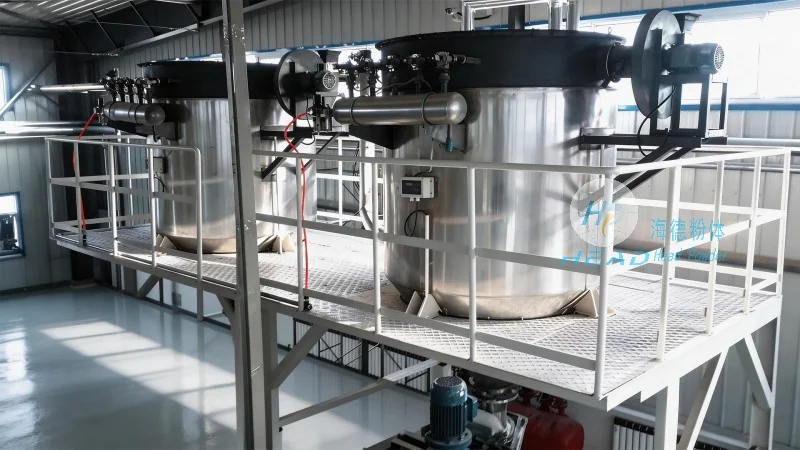
The operation of a zircon sand powder pneumatic conveying system follows a systematic sequence to ensure optimal performance. First, the zircon sand powder is loaded into the material hopper. The rotary valve then controls the flow of powder into the conveying line, regulating the amount of material released at a consistent rate. Simultaneously, the air compressor generates compressed air, which is introduced into the system. The air and powder mixture travels through the pipeline, with the air velocity maintained at a level sufficient to keep the particles suspended. Upon reaching the receiver, the air is filtered and the powder is deposited, completing the transport cycle. This process is typically automated, with sensors and controls monitoring pressure, flow rate, and material levels to ensure continuous and efficient operation.
Advantages of Pneumatic Conveying for Zircon Sand
Compared to traditional mechanical conveying methods, pneumatic conveying offers several advantages when handling zircon sand powder. These include reduced dust generation, as the material is contained within the pipeline, minimizing environmental impact and health risks. Additionally, the system is less prone to clogging and wear, as there are no moving parts in direct contact with the powder. The ability to transport materials over long distances without the need for intermediate storage or transfer points also enhances operational efficiency. Furthermore, the system can be easily scaled to accommodate varying production volumes, making it suitable for both small-scale and large-scale industrial applications.
Applications in Industrial Settings
Zircon sand powder pneumatic conveying is widely used in various industrial sectors, particularly in the ceramics and refractory industries. In ceramics manufacturing, the fine zircon sand powder is used as a raw material for glazes and body formulations, requiring precise and dust-free transport to maintain product quality. In refractory production, the powder is used to create high-temperature-resistant materials, where consistent particle size and purity are critical. Other applications include the production of zirconium compounds and as a filler in composite materials. The efficiency and reliability of pneumatic conveying make it an ideal choice for these demanding industrial processes.
Conclusion and Company Information
Efficient pneumatic conveying of zircon sand powder is essential for optimizing industrial operations, ensuring high-quality material transport while minimizing operational costs and environmental impact. Shandong HeadPowder Engineering Co., Ltd., a leading provider in this field, specializes in designing and manufacturing advanced pneumatic conveying systems tailored to the specific needs of zircon sand processing. With a focus on innovation and customer satisfaction, the company ensures that its systems meet the highest standards of performance and reliability. Based in Shandong, China, HeadPowder offers comprehensive solutions for material handling, supporting industries that rely on zircon sand as a key raw material. By leveraging advanced technology and expertise, HeadPowder helps clients achieve efficient, cost-effective, and sustainable material transport solutions.