

Operation Process and Working Principle of Corn Grits Powder Pneumatic Conveying
Shandong HeadPowder Engineering Co., Ltd., a leading enterprise in the field of powder handling and conveying systems, specializes in providing advanced solutions for the efficient transportation of corn grits powder through pneumatic conveying technology. This technology is crucial for industries dealing with bulk powder materials, offering a reliable and flexible method to move corn grits from one location to another within a production facility or between different facilities. The company's expertise lies in designing and implementing systems that optimize the performance of corn grits powder pneumatic conveying, ensuring minimal product loss, low maintenance requirements, and high operational efficiency.
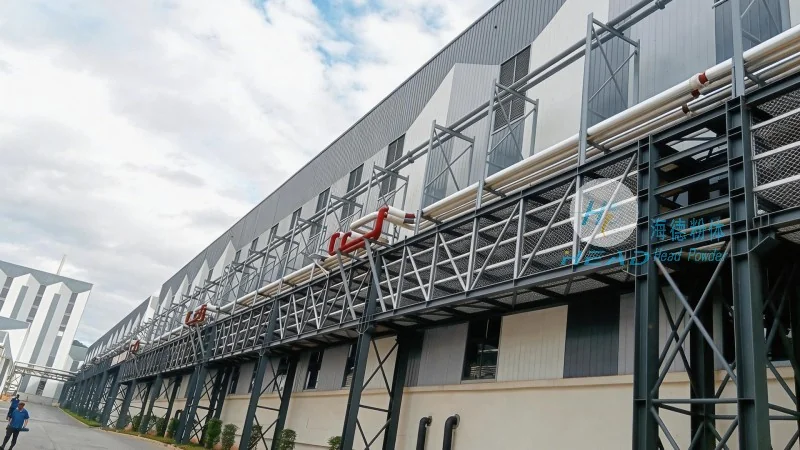
Understanding the Core Components and System Layout
The corn grits powder pneumatic conveying system typically consists of several key components, each playing a vital role in the overall operation. The primary components include a hopper for material storage, a feeder to control the flow of corn grits into the system, a conveying line (usually a pipe) that transports the powder, a dust collector to capture any airborne particles, and a discharge point where the material is released. The system layout can vary depending on the specific application, such as vertical or horizontal conveying, and the distance the corn grits need to travel. Shandong HeadPowder Engineering Co., Ltd. designs customized layouts that meet the unique requirements of each client, ensuring optimal performance and cost-effectiveness.
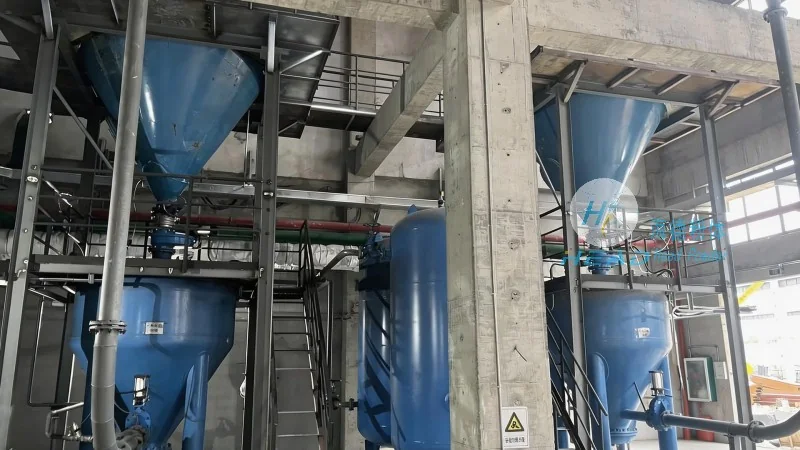
Operation Process of Corn Grits Powder Pneumatic Conveying
The operation process of corn grits powder pneumatic conveying involves several sequential steps that ensure the smooth and efficient movement of the material. The process begins with the storage of corn grits in a hopper, where the material is held under controlled conditions to prevent caking or degradation. The hopper is typically made of stainless steel or other corrosion-resistant materials to maintain the quality of the corn grits. From the hopper, the corn grits are fed into the conveying system using a feeder, which may be a rotary valve or a screw feeder. The feeder is designed to regulate the flow rate precisely, ensuring that the system operates at its optimal capacity. The feeder then introduces the corn grits into the conveying line, where a vacuum or pressure is applied to create the necessary airflow. In a pressure system, compressed air is supplied by a blower or fan, which pushes the corn grits through the pipe. The pressure is maintained at a level that is sufficient to overcome the resistance of the conveying line and the weight of the corn grits. In a vacuum system, a vacuum pump creates a negative pressure that pulls the corn grits into the pipe. The system is designed to maintain consistent airflow and pressure, ensuring that the corn grits are conveyed without segregation or agglomeration. The velocity of the air in the pipe is a critical factor, as it must be sufficient to keep the corn grits in suspension and prevent them from settling. Shandong HeadPowder Engineering Co., Ltd. ensures that the system is designed with appropriate air velocities and pressure differentials to achieve efficient conveying of corn grits powder, minimizing energy consumption and maximizing throughput. The dust collector is an integral part of the system, capturing any fine particles that may be released during the conveying process. This helps in maintaining a clean and safe working environment, as well as preventing dust from spreading to other areas of the facility.
Working Principle of the Pneumatic Conveying System
The working principle of the corn grits powder pneumatic conveying system is based on the fundamental concept of using air to transport solid particles. There are two main types of pneumatic conveying systems: pressure and vacuum. In a pressure system, compressed air is used to push the corn grits through the conveying line, while in a vacuum system, a vacuum pump creates a negative pressure that pulls the material. For corn grits powder, a combination of both pressure and vacuum may be used in certain applications to achieve the best results. The system operates by creating a differential pressure between the inlet and outlet of the conveying line. The pressure difference is generated by the fan or blower, which provides the necessary energy to move the corn grits. The velocity of the air in the pipe is a critical factor, as it must be sufficient to overcome the gravitational and frictional forces acting on the corn grits particles. Shandong HeadPowder Engineering Co., Ltd. ensures that the system is designed with appropriate air velocities and pressure differentials to achieve efficient conveying of corn grits powder, minimizing energy consumption and maximizing throughput.

Key Advantages of Corn Grits Powder Pneumatic Conveying
Implementing a corn grits powder pneumatic conveying system offers several significant advantages over traditional conveying methods. One of the primary benefits is the ability to transport corn grits in a closed system, which prevents contamination from external sources and reduces dust emissions, making it more environmentally friendly and safer for operators. The closed system also helps in maintaining the quality of the corn grits by protecting them from moisture, temperature changes, and exposure to air, which can affect their texture and nutritional value. Another advantage is the flexibility of the system, as it can be easily adapted to different production needs, such as varying the flow rate or changing the conveying distance. The system is also relatively compact and can be installed in tight spaces, making it suitable for facilities with limited floor space. Additionally, pneumatic conveying systems require less maintenance compared to other methods, such as belt conveyors, as there are fewer moving parts and less wear and tear on the components. Shandong HeadPowder Engineering Co., Ltd. emphasizes these advantages in their designs, ensuring that clients receive systems that are not only efficient but also cost-effective and reliable.