

Operation Process and Working Principle of Sodium Bicarbonate Powder Pneumatic Conveying
HeadPowder, a leading provider in the field of powder handling technology, specializes in the design, manufacturing, and implementation of pneumatic conveying systems for various industrial applications. This article delves into the operational process and underlying principles of pneumatic conveying for sodium bicarbonate powder, a common chemical used in food, pharmaceutical, and industrial processes.
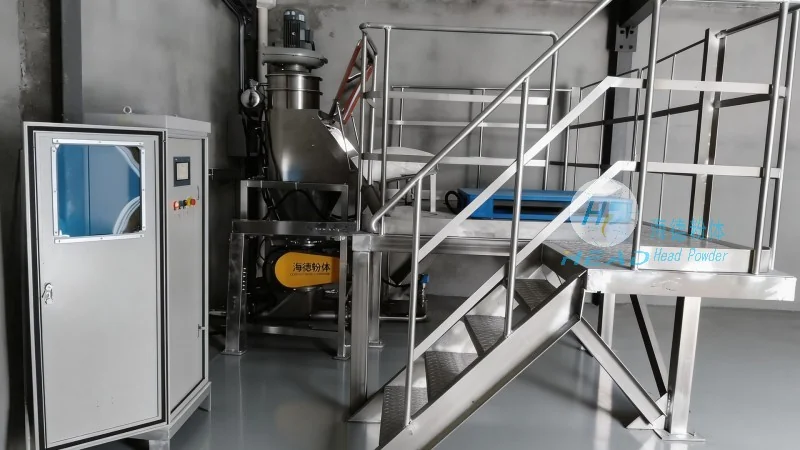
Introduction to Pneumatic Conveying Systems
Pneumatic conveying is a method of transporting bulk materials, such as powders, granules, or small particles, through a pipeline using a gas stream, typically air or a mixture of air and other gases. The process involves the creation of a pressure differential or vacuum to move the material from a source to a destination. For sodium bicarbonate powder, which is a fine, dry material, pneumatic conveying offers advantages like high efficiency, minimal product degradation, and the ability to handle materials in a closed system, reducing dust emissions and contamination risks.
Key Components of a Pneumatic Conveying System
A typical pneumatic conveying system for sodium bicarbonate powder consists of several essential components that work in concert to ensure smooth and reliable operation. These components include a material feeder, a conveying line (often equipped with bends and straight sections), a gas source (usually a blower or compressor), a filter system to capture fine particles, and a discharge device at the receiving end. Each component plays a critical role in maintaining the integrity of the sodium bicarbonate powder and ensuring efficient transport.
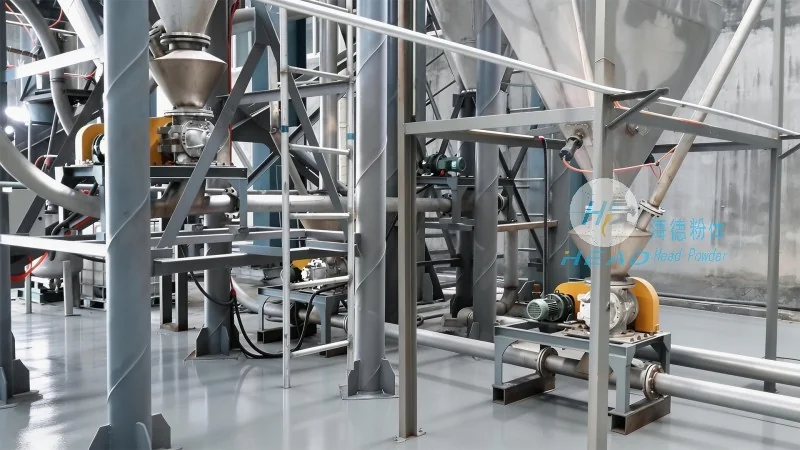
The Operation Process of Sodium Bicarbonate Powder Pneumatic Conveying
The operation process of pneumatic conveying for sodium bicarbonate powder begins with the material being fed into the system. The feeder, which can be a rotary valve, screw feeder, or other type of metering device, ensures a consistent flow rate of the powder into the conveying line. Once the powder enters the line, the gas source (blower or compressor) generates a high-velocity air stream that entrains the powder particles, creating a slurry-like mixture. This mixture travels through the pipeline, overcoming friction and gravitational forces, and is directed towards the receiving hopper or storage tank. At the receiving end, the air and powder are separated using a filter or cyclone, allowing the clean sodium bicarbonate powder to be collected while the air is discharged or recirculated.
Working Principle of Pneumatic Conveying for Sodium Bicarbonate Powder
The working principle of pneumatic conveying for sodium bicarbonate powder is based on the fundamental concept of fluidization and drag force. When the gas stream flows through the conveying line at a sufficient velocity, it creates a pressure drop that lifts the powder particles and keeps them suspended in the air stream. This phenomenon is known as pneumatic transport, where the gas acts as a carrier medium. The key parameters that determine the efficiency of the process include the air velocity, pressure differential, material properties (such as particle size, density, and moisture content), and the design of the conveying line. For sodium bicarbonate powder, which has a relatively low density and fine particle size, the system must be designed to maintain a stable flow without causing excessive wear on the equipment or degradation of the powder quality.
Advantages of Pneumatic Conveying for Sodium Bicarbonate Powder
Implementing a pneumatic conveying system for sodium bicarbonate powder offers several advantages over traditional methods like bucket elevators or belt conveyors. Firstly, it provides a closed system that minimizes dust exposure and environmental contamination, which is crucial for food and pharmaceutical applications where product purity is paramount. Secondly, the system is highly efficient in terms of energy consumption and material handling, as it can transport large quantities of powder over long distances with minimal labor. Thirdly, pneumatic conveying reduces the risk of product degradation due to less contact with air and reduced mechanical stress compared to other methods. Additionally, the system can be easily integrated with other processing equipment, such as mixers, blenders, or packaging machines, enhancing overall production efficiency.
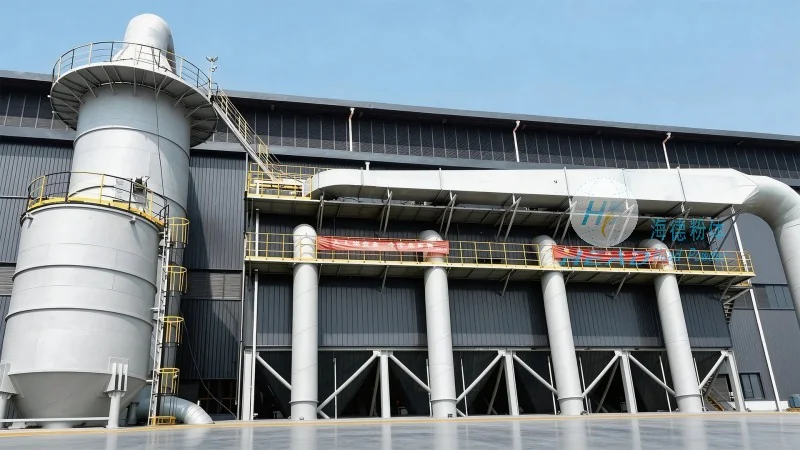
Considerations for Design and Implementation
When designing a pneumatic conveying system for sodium bicarbonate powder, several factors must be considered to ensure optimal performance and longevity. The first consideration is the material properties of the sodium bicarbonate powder, including its particle size distribution, bulk density, and flow characteristics. These properties affect the air velocity required for stable transport and the design of the feeder and conveying line. The second consideration is the system layout, including the length and number of bends in the pipeline, as these can impact the pressure drop and energy consumption. The third consideration is the selection of the gas source, which should be capable of providing the necessary pressure and flow rate while maintaining energy efficiency. Finally, the system must include proper filtration and cleaning mechanisms to prevent clogging and maintain the quality of the powder.
Conclusion
HeadPowder, with its expertise in powder handling technology, provides comprehensive solutions for the pneumatic conveying of sodium bicarbonate powder. By understanding the operational process and working principles of such systems, industries can enhance their production efficiency, maintain product quality, and ensure compliance with environmental and safety regulations. The implementation of a well-designed pneumatic conveying system not only improves the overall workflow but also contributes to cost savings and increased productivity in the handling of sodium bicarbonate powder.