

Operation Process and Working Principle of Cocoa Material Pneumatic Conveying Equipment
HeadPowder, a leading manufacturer in the field, specializes in providing efficient and reliable solutions for the transportation of cocoa materials. This article delves into the operation process and working principle of our pneumatic conveying equipment, designed to meet the specific needs of the cocoa processing industry. Our equipment is engineered to handle the unique characteristics of cocoa, such as its fine particle size and susceptibility to degradation, ensuring optimal performance and product quality.
Company Profile
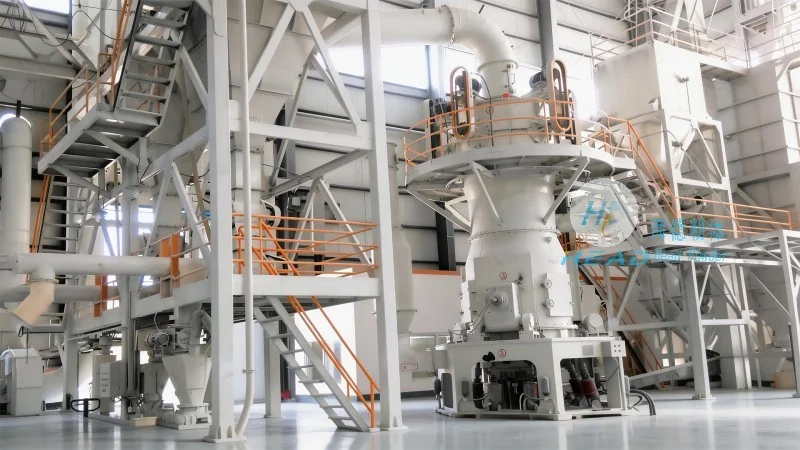
HeadPowder, operating under the full name Shandong HeadPowder Engineering Co., Ltd., is headquartered in Shandong, China. With a strong commitment to quality and innovation, we have established ourselves as a trusted provider of advanced material handling systems tailored for the cocoa industry. Our team of experts combines extensive industry knowledge with cutting-edge technology to develop solutions that address the specific challenges faced by cocoa processing facilities.
Working Principle of Pneumatic Conveying Systems
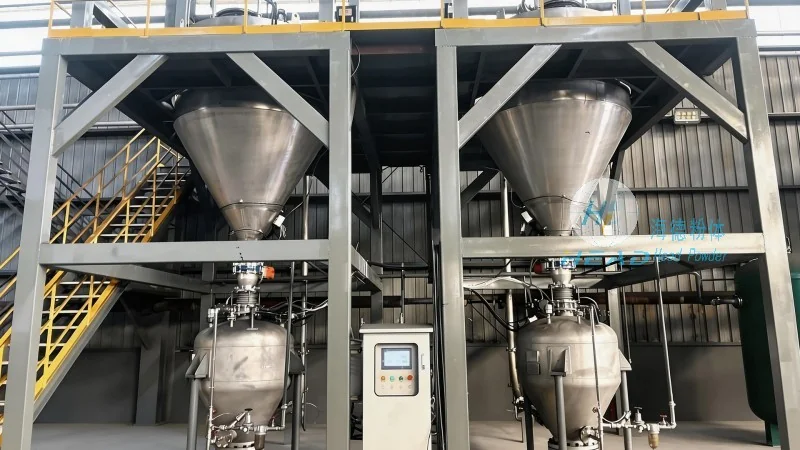
The core of our cocoa material pneumatic conveying equipment lies in the use of air as the primary medium to transport bulk materials. The system typically operates by creating a pressure differential between the inlet and outlet points. As air is introduced into the conveying line, it draws the cocoa particles into the pipeline, ensuring a smooth and continuous flow. This method eliminates the need for mechanical components like belts or buckets, reducing maintenance requirements and enhancing operational efficiency. The blower or compressor serves as the driving force, generating the necessary air pressure to move the material. The system may incorporate various components such as hoppers, feeders, and filters to ensure consistent material feeding and air purification, maintaining product quality throughout the conveying process.
Operation Process of the Equipment
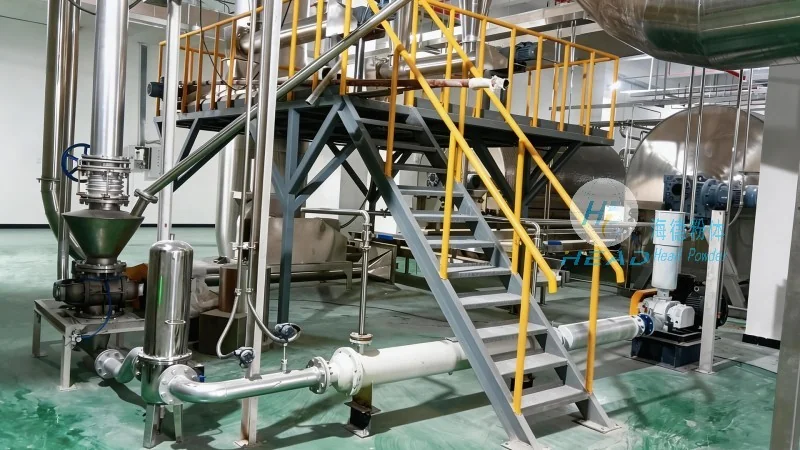
The operation process of our cocoa material pneumatic conveying equipment involves several key steps. First, the cocoa material is fed into the hopper or storage tank. From there, it is drawn into the conveying line by the air flow generated by the blower or compressor. The material travels through the pipeline, which may include bends, expansions, or other components to ensure proper flow control. At the receiving end, the cocoa material is discharged into the target container or processing unit. The system is equipped with control mechanisms to regulate the air pressure and flow rate, allowing for precise control over the conveying process and preventing material degradation or blockages. Additionally, the system may include sensors and alarms to monitor operational parameters and detect any potential issues, ensuring safe and reliable operation.
Key Features and Benefits
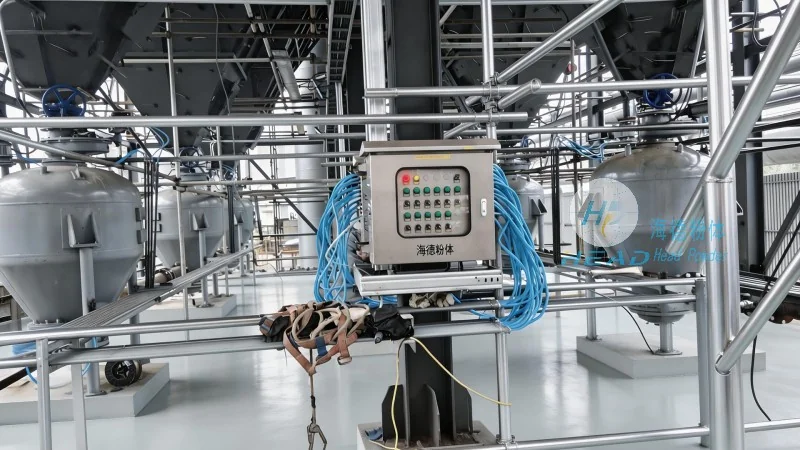
Our pneumatic conveying equipment for cocoa materials offers several advantages that make it an ideal choice for processing facilities. The air-based transport method minimizes product contamination and reduces the risk of material degradation compared to traditional mechanical systems. Additionally, the system is highly flexible, allowing for easy integration into existing production lines and adaptation to varying material characteristics. The low maintenance requirements and energy efficiency of the equipment contribute to long-term cost savings for our clients. Furthermore, the equipment is designed with safety features to prevent dust explosions and other hazards, ensuring compliance with industry standards and regulations.