

Operation Process and Working Principle of Pneumatic Conveying Equipment for Coal and Sand Materials
HeadPowder, a leading manufacturer based in Shandong, China, specializes in the design, production, and supply of advanced pneumatic conveying equipment tailored for transporting coal and sand materials. This article provides a detailed overview of the operational process and working principles of such equipment, highlighting the technical aspects and efficiency of the systems.
Introduction to Pneumatic Conveying Systems for Coal and Sand
Pneumatic conveying equipment is a critical component in industrial processes where the efficient and safe transport of bulk materials like coal and sand is essential. These systems utilize air or gas as the conveying medium to move materials from one location to another, eliminating the need for mechanical components like belts or buckets. The technology is widely adopted in mining, power generation, and construction industries due to its flexibility, low maintenance requirements, and ability to handle a variety of material types.
Key Components of Pneumatic Conveying Equipment
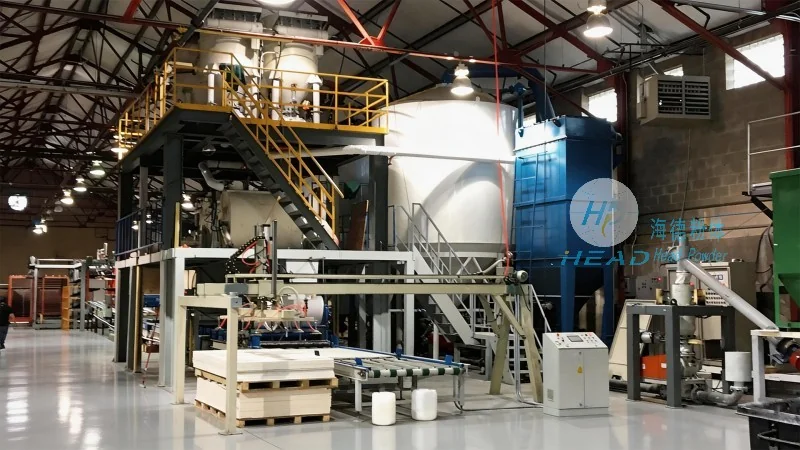
The core components of a pneumatic conveying system for coal and sand materials typically include a hopper, a feeder, a conveying line, a receiver, and a dust collection system. Each component plays a crucial role in ensuring the smooth operation of the system.
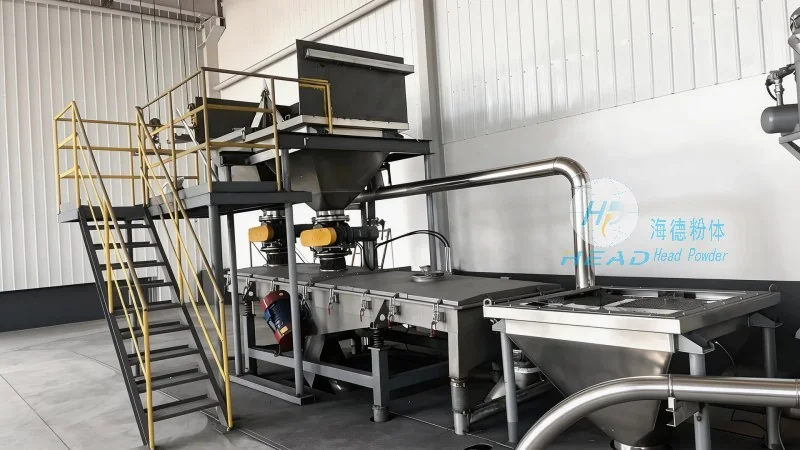
The hopper is designed to store the bulk material, providing a consistent feed to the feeder. It is usually equipped with a discharge valve to control the material flow. The feeder, often a rotary valve or a screw feeder, regulates the material discharge rate, ensuring a steady supply to the conveying line. The conveying line, made of metal or plastic, carries the material and air mixture. The receiver collects the conveyed material and may include a discharge valve for material removal. The dust collection system, such as a cyclone or bag filter, removes airborne particles to maintain air quality and comply with environmental regulations.
Working Principle of Pneumatic Conveying
The operation of pneumatic conveying equipment for coal and sand materials is based on the principle of creating a pressure differential between the inlet and outlet of the conveying line. There are two main types of pneumatic conveying systems: pressure and vacuum systems. Pressure systems operate by injecting air or gas under pressure into the conveying line at the inlet, while vacuum systems create a negative pressure at the inlet to draw material into the line.
In a pressure system, the feeder introduces the material into the high-pressure air stream, which then transports the material through the line to the receiver. The air velocity in the line must be sufficient to overcome the material's resistance and maintain a stable flow. The pressure drop along the conveying line is carefully managed to ensure efficient transport without excessive energy consumption. In a vacuum system, a vacuum pump creates the necessary suction at the inlet. The air flow rate is adjusted to maintain the material in suspension and prevent clogging.
Operation Process of Pneumatic Conveying Equipment
The operational process of pneumatic conveying equipment for coal and sand materials involves several sequential steps that ensure the material is transported safely and efficiently from the source to the destination.
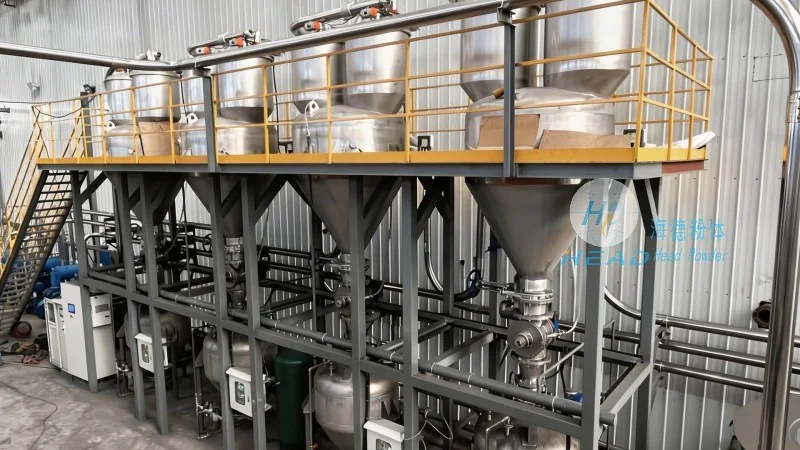
1. **Material Loading**: The hopper is filled with coal or sand material. The discharge valve is opened to allow the material to flow into the feeder. The feeder regulates the flow rate, ensuring a consistent supply to the conveying line.
2. **Air Supply**: In a pressure system, compressed air is supplied to the conveying line at the inlet. The air pressure is controlled to maintain the required velocity for material transport. In a vacuum system, a vacuum pump creates the necessary suction at the inlet.
3. **Conveying**: The material is introduced into the air stream by the feeder. The air velocity is sufficient to keep the material suspended and move it through the conveying line. The material travels from the hopper to the receiver, with the air carrying the material particles.
4. **Material Discharge**: At the receiver, the material is collected. The receiver may include a discharge valve to remove the material. The air, now containing some particles, is directed to the dust collection system to separate the material from the air.
5. **Dust Removal**: The dust collection system, such as a cyclone separator, removes the fine particles from the air stream. The cleaned air is then released back into the environment, while the collected dust is discharged for disposal or reuse.
Advantages of Pneumatic Conveying for Coal and Sand
Pneumatic conveying equipment offers several advantages when transporting coal and sand materials. These include:
- **Flexibility**: The system can be easily adapted to different material types and transport distances, with minimal modifications.
- **Low Maintenance**: Compared to mechanical conveying systems, pneumatic systems have fewer moving parts, reducing the need for frequent maintenance.
- **Safety**: The enclosed system prevents dust emissions and reduces the risk of material spillage, enhancing workplace safety.
- **Energy Efficiency**: Modern pneumatic conveying systems are designed to optimize air usage, reducing energy consumption and operational costs.
Applications in Industrial Settings
Pneumatic conveying equipment is widely used in various industrial applications involving coal and sand materials. These include:
- **Mining and Quarrying**: Transporting mined coal and sand from extraction sites to processing facilities.
- **Power Generation**: Conveying coal to boilers and sand to grinding mills in thermal power plants.
- **Construction Materials**: Moving sand and other aggregates from storage to construction sites for concrete production.
- **Chemical and Food Industries**: Transporting raw materials and finished products in processes that require dust-free environments.
Conclusion
HeadPowder's pneumatic conveying equipment for coal and sand materials is engineered to deliver reliable and efficient material transport solutions. By understanding the operational process and working principles, users can optimize the system for their specific needs, ensuring safe and cost-effective material handling. The technology continues to evolve, with advancements in materials and control systems enhancing performance and sustainability in industrial applications.