

Operation Process and Working Principle of Bulk Bag Unpacking Material Pneumatic Conveying Machine
Shandong HeadPowder Engineering Co., Ltd. is a professional manufacturer specializing in the design, production, and installation of bulk bag unpacking and pneumatic conveying systems. Our company, commonly known as HeadPowder, is headquartered in Shandong, China, and has established a strong reputation for providing efficient and reliable solutions for material handling in various industries.

Overview of Bulk Bag Unpacking Pneumatic Conveying Systems
Bulk bag unpacking material pneumatic conveying machines are advanced equipment used to transfer bulk materials from large flexible containers, known as super sacks or bulk bags, into processing or storage facilities. These systems combine the functions of bag opening, material discharge, and pneumatic transport, offering a seamless and automated solution for handling bulk materials. The primary goal is to ensure efficient material transfer while maintaining product integrity and minimizing dust exposure.
The Operation Process of the Pneumatic Conveying System
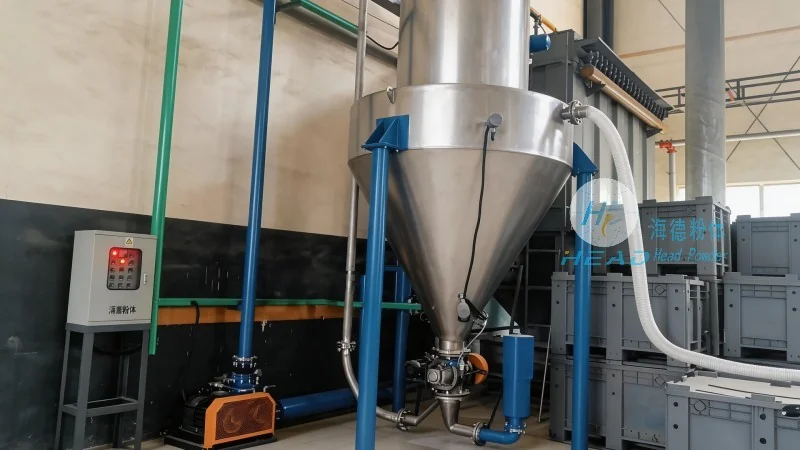
The operation of a bulk bag unpacking pneumatic conveying machine typically follows a systematic sequence of steps. First, the bulk bag is positioned on a support frame or a dedicated loading platform. The system then initiates the bag opening process, which may involve cutting the top of the bag or using a specialized opening mechanism to access the material inside. Once the bag is opened, the material is discharged into a hopper or a collection chamber. Simultaneously, an air compressor generates compressed air, which is directed through the conveying pipeline to create a pressure differential. This pressure differential draws the material from the hopper and transports it to the target location, such as a silo, storage tank, or processing unit.
Working Principle of the Pneumatic Conveying Mechanism
The core working principle of the bulk bag unpacking pneumatic conveying machine is based on the principles of pneumatic transport. Compressed air is introduced into the conveying pipeline, creating a flow that moves the material particles. The system utilizes either positive pressure or negative pressure (or a combination of both) to transport the material. In positive pressure systems, compressed air is blown into the pipeline, pushing the material forward. In negative pressure systems, a vacuum is created at the receiving end, pulling the material through the pipeline. The choice of pressure type depends on factors such as material characteristics, conveying distance, and system design. The conveying pipeline is typically made of flexible or rigid materials, such as PVC or metal, and is equipped with valves, filters, and dust collectors to ensure efficient and clean operation.
Key Components and Their Functions
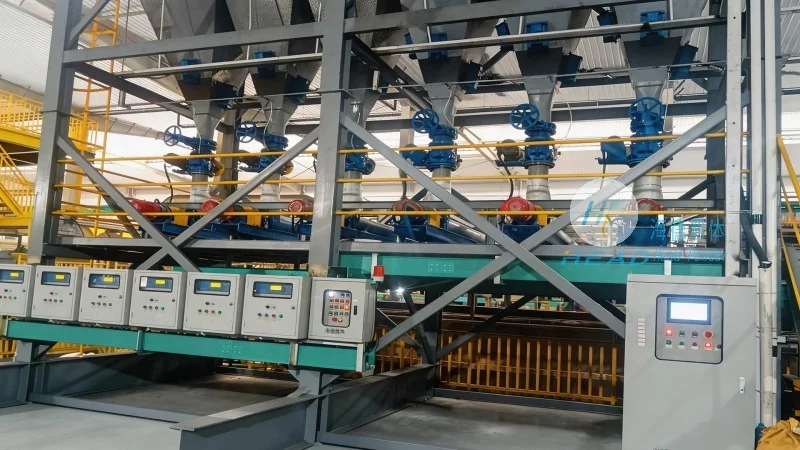
A bulk bag unpacking pneumatic conveying system consists of several critical components, each playing a vital role in the overall operation. The air compressor is responsible for generating the necessary compressed air, providing the driving force for material transport. The dust collector is essential for capturing and filtering air particles, ensuring compliance with environmental regulations and maintaining a clean working environment. The conveying pipeline connects the source and destination points, with valves controlling the flow direction and pressure. The bag opening mechanism, such as a bag cutter or a bag opener, facilitates access to the material inside the bulk bag. The hopper or collection chamber stores the discharged material before it is conveyed to the next stage. Each component is carefully designed and integrated to ensure optimal performance and reliability.
Benefits and Applications
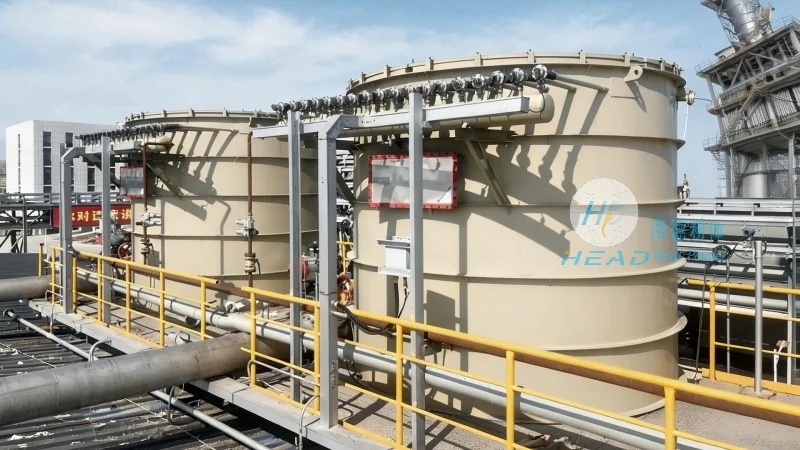
Bulk bag unpacking material pneumatic conveying machines offer numerous benefits, making them ideal for various industrial applications. These systems provide a dust-free and hygienic method of material handling, which is crucial for industries such as food, pharmaceuticals, and chemicals. The automated operation reduces labor costs and minimizes human exposure to dust and hazardous materials. The efficient transfer of bulk materials reduces downtime and increases production throughput. Additionally, the system can handle a wide range of materials, including powders, granules, and bulk solids, with varying particle sizes and moisture content. This versatility makes the system suitable for applications in manufacturing, mining, and construction industries.
Conclusion
Shandong HeadPowder Engineering Co., Ltd. specializes in providing high-quality bulk bag unpacking material pneumatic conveying machines that meet the diverse needs of industrial clients. By combining advanced technology with professional engineering, our systems ensure efficient, reliable, and safe material handling. Whether for small-scale or large-scale operations, our solutions are designed to enhance productivity and improve operational efficiency. With a commitment to quality and customer satisfaction, HeadPowder continues to be a leading provider of material handling solutions in China and globally.