

Introduction to Sorghum Residue Pneumatic Conveying Line: Structure and Working Principle
HeadPowder, a professional engineering company based in Shandong, China, specializes in the design and manufacturing of advanced pneumatic conveying systems. This article provides an overview of the sorghum residue pneumatic conveying line, detailing its structural components and operational principles to help users understand its application in the food processing industry.
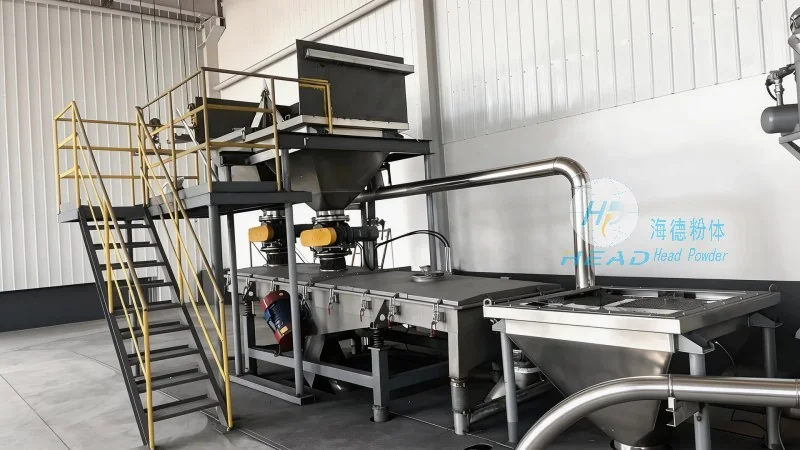
Overview of Sorghum Residue Pneumatic Conveying Line
The sorghum residue pneumatic conveying line is a specialized system engineered to transport sorghum residue, a byproduct of the distillation process in sorghum-based alcohol production. This system efficiently handles the bulk material, ensuring safe and reliable movement from storage to processing or disposal areas. The design integrates high-efficiency components that minimize material loss and operational downtime, making it an essential equipment for modern distilleries.
Key Structural Components of the Pneumatic Conveying System
The pneumatic conveying line consists of several critical components that work in tandem to achieve effective material transport. These include the material hopper, which serves as the initial storage and feeding unit; the air compressor or blower, responsible for generating the necessary air pressure to move the material; the conveying pipeline, which can be either positive or negative pressure depending on the system design; and the discharge hopper or silo, where the material is deposited at the destination. Each component is carefully selected and integrated to ensure optimal performance and durability under the demanding conditions of sorghum residue handling.
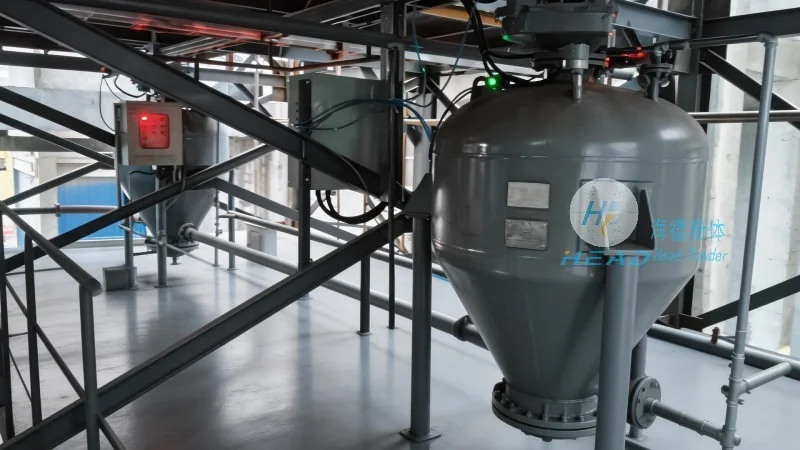
Working Principle of the Pneumatic Conveying Line
The operation of the sorghum residue pneumatic conveying line is based on the principle of air-assisted material transport. When the system is activated, the air compressor generates a high-pressure air stream. This air stream is then introduced into the conveying pipeline, where it creates a flow that pulls the sorghum residue particles into the pipeline. The material is carried through the pipeline by the air flow, and upon reaching the discharge point, the air pressure is reduced, allowing the material to settle out and be collected. The system can operate in either positive pressure (where air is forced into the pipeline) or negative pressure (where air is drawn out), with the choice depending on the specific application and material characteristics. The control system monitors the air pressure, flow rate, and material level, ensuring smooth and continuous operation.
Advantages of Using a Pneumatic Conveying Line for Sorghum Residue
Implementing a pneumatic conveying line for sorghum residue offers several advantages over traditional methods such as belt conveyors or manual handling. Firstly, it eliminates the need for multiple transfer points, reducing the risk of material spillage and contamination. Secondly, the system provides a hygienic and enclosed environment, which is crucial for food processing applications where sanitation is a priority. Thirdly, the pneumatic system can handle materials with high moisture content and varying particle sizes, making it versatile for different production stages. Additionally, the system is energy-efficient and can be easily integrated with existing production lines, providing a cost-effective solution for distilleries looking to improve their material handling processes.
Application Scenarios in Sorghum Alcohol Production
The sorghum residue pneumatic conveying line is widely used in the sorghum alcohol production industry for various purposes. It is commonly employed to transport sorghum residue from the distillation stills to the storage silos or to the drying and conditioning units. The system can also be used to move the residue to the composting or biofuel production facilities, where it is further processed. In some cases, the pneumatic conveying line is integrated with other equipment such as crushers or mixers to form a complete material handling system. The flexibility of the system allows it to adapt to different production scales and operational requirements, making it a valuable asset for both small and large-scale distilleries.
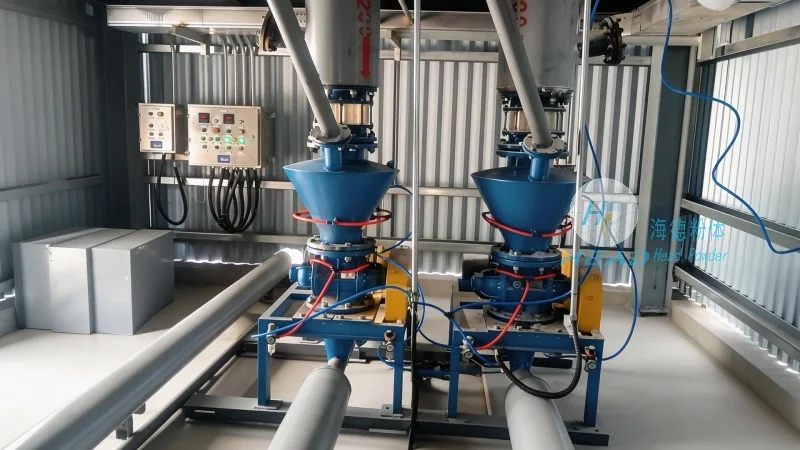
Maintenance and Operational Considerations
To ensure the long-term performance and reliability of the sorghum residue pneumatic conveying line, regular maintenance is essential. The air compressor and blower should be checked regularly for wear and tear, and the air filters should be cleaned or replaced to maintain optimal air quality. The conveying pipeline should be inspected for any blockages or leaks, and the material hopper and discharge hopper should be cleaned to prevent material buildup. The control system should be calibrated periodically to ensure accurate monitoring of the system parameters. Proper training of the operators is also crucial to prevent accidents and ensure safe operation. By following these maintenance and operational guidelines, the system can operate efficiently and provide reliable service for many years.
Conclusion
The sorghum residue pneumatic conveying line is a sophisticated and efficient system that plays a vital role in the sorghum alcohol production process. With its advanced structural design and operational principles, it offers numerous benefits over traditional material handling methods. By understanding the key components and working principles of the system, users can make informed decisions about its implementation and maintenance, ensuring optimal performance and cost-effectiveness. HeadPowder, as a leading engineering company in this field, continues to innovate and provide high-quality solutions to meet the evolving needs of the food processing industry.