

Introduction to Polyacrylamide Powder Handling and Structural Principles
For industrial applications involving polyacrylamide (PAM) powder, efficient and reliable handling is crucial. This article provides an overview of polyacrylamide powder handling systems, focusing on the structural principles that enable effective material transport and processing. The discussion will cover key components, operational mechanisms, and the importance of design in ensuring optimal performance for various industrial needs.
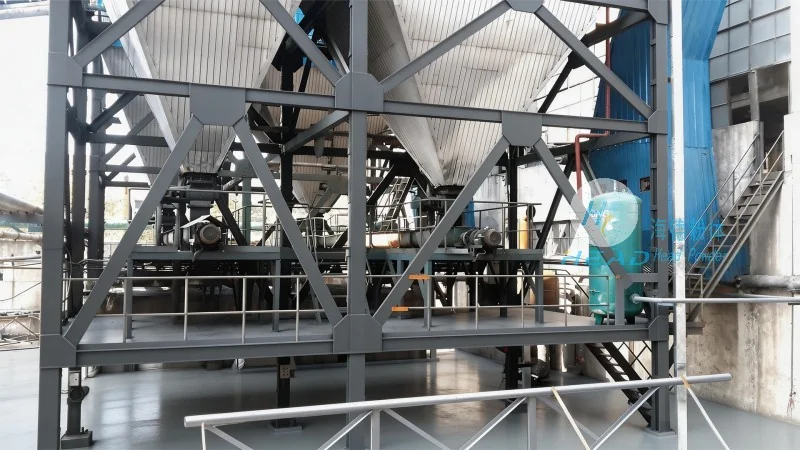
Polyacrylamide Powder Handling Systems: Core Components and Functionality
Polyacrylamide powder handling systems are engineered to manage the flow, storage, and transfer of polyacrylamide, a widely used water treatment chemical. These systems typically consist of several critical components that work in concert to ensure smooth operation. The primary elements include feed hoppers, conveyor mechanisms, storage silos, and control systems. Each component plays a vital role in the overall efficiency of the handling process.
Feed hoppers are designed to hold and meter the polyacrylamide powder, ensuring a consistent feed rate to downstream equipment. They often feature adjustable valves and level sensors to maintain optimal material levels. Conveyor mechanisms, such as screw conveyors or pneumatic systems, transport the powder from the hopper to storage or processing units. These conveyors are chosen based on the specific characteristics of the polyacrylamide, including its density, flowability, and potential for caking. Storage silos provide bulk storage capacity, allowing for large-scale inventory management and reducing the frequency of material replenishment. Control systems integrate sensors and automation to monitor and adjust the handling process in real-time, enhancing operational reliability and safety.
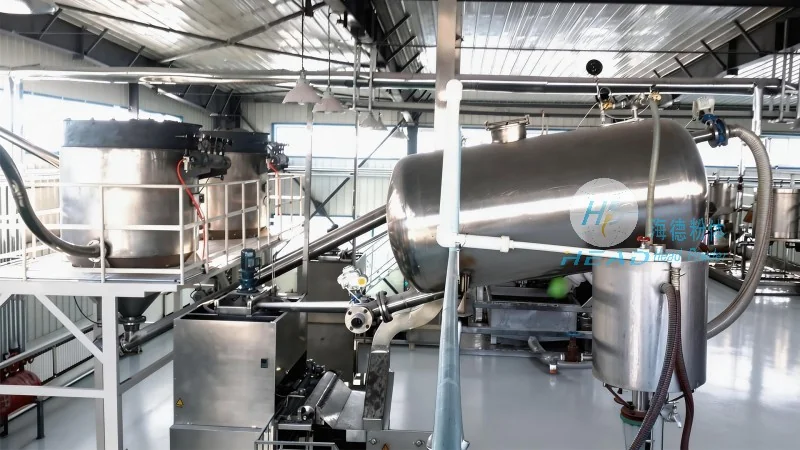
Structural Principles of Polyacrylamide Powder Handling: Design and Engineering Considerations
The structural design of polyacrylamide powder handling systems is governed by several key principles to address the unique properties of the material. Polyacrylamide is a fine powder with a high surface area, which can lead to issues like caking, bridging, and blockages if not handled properly. To mitigate these challenges, systems incorporate features such as anti-caking agents, vibration mechanisms, and inclined conveyor angles. Anti-caking agents are added to the powder to improve flowability and prevent agglomeration. Vibration devices, such as vibratory feeders or silo agitators, help break up any formed lumps and maintain consistent material flow. The angle of the conveyor or hopper is also critical; an appropriate incline ensures gravity-assisted flow without causing excessive pressure or wear on components.
Material selection for the handling equipment is another critical design consideration. Polyacrylamide can be corrosive or abrasive in certain applications, so components are typically made from materials like stainless steel, polyethylene, or specialized coatings to resist wear and chemical attack. The design also considers the need for easy cleaning and maintenance, as polyacrylamide can adhere to surfaces and require regular sanitation to prevent contamination. Proper sealing and dust control measures are essential to maintain a clean working environment and prevent airborne dust from affecting personnel or equipment.
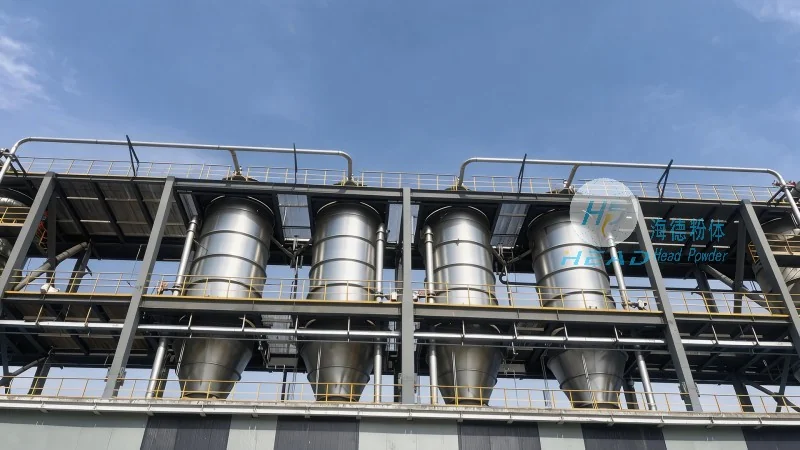
Operational Efficiency and Safety in Polyacrylamide Powder Handling
Efficient operation of polyacrylamide powder handling systems relies on a combination of proper design, regular maintenance, and adherence to safety protocols. Regular inspection and maintenance of components, such as conveyor belts, bearings, and sensors, are essential to prevent breakdowns and ensure consistent performance. Monitoring systems, including level indicators and flow meters, provide real-time data on material levels and flow rates, allowing operators to adjust the process as needed. Safety considerations are paramount due to the potential hazards associated with polyacrylamide, including dust inhalation and skin irritation. Systems are equipped with dust collection and filtration systems to minimize airborne particles and ensure a safe working environment. Personal protective equipment (PPE) is also recommended for operators handling the material, including respirators and gloves.
The effectiveness of polyacrylamide powder handling systems is directly linked to their ability to maintain the material's integrity and prevent degradation. Proper handling helps preserve the powder's quality, ensuring it remains effective for its intended applications, such as water treatment or soil stabilization. By adhering to the structural principles and operational guidelines outlined, industrial facilities can achieve reliable and efficient polyacrylamide powder handling, supporting their overall production and operational goals.