Quicklime powder conveying systems are essential in industrial applications where the efficient and safe transportation of quicklime is required. These systems are designed to handle the unique properties of quicklime, such as its reactivity and dust generation, ensuring reliable operation in various production environments. This article provides an overview of the key components, structural design, and operational principles of quicklime powder conveying systems, highlighting the engineering solutions offered by Shandong HeadPowder Engineering Co., Ltd. from China.
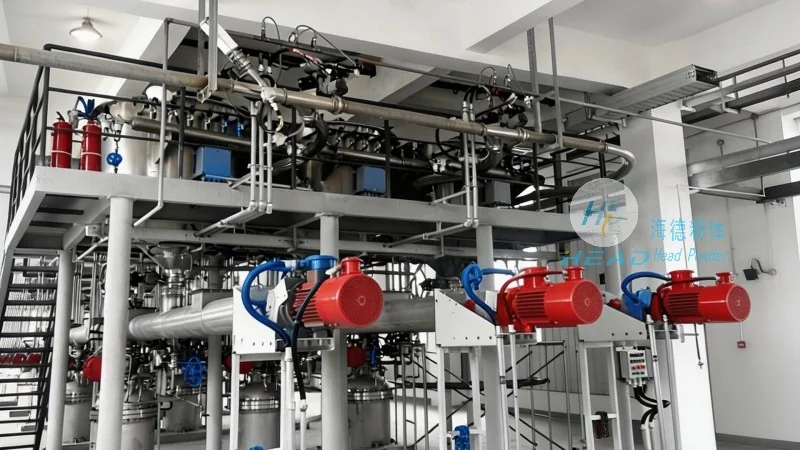
Quicklime, or calcium oxide (CaO), is a widely used industrial material in processes like flue gas desulfurization, steel production, and chemical manufacturing. The efficient handling of quicklime powder is critical to maintain production efficiency and ensure worker safety. Conveying systems for quicklime must address challenges like dust control, material flow uniformity, and equipment durability due to the material's abrasive nature and potential for spontaneous reaction with moisture.
The core components of a quicklime powder conveying system typically include a hopper for material storage, a feeder to regulate flow, a conveyor (such as a pneumatic or mechanical system), and a dust collection unit. The hopper is designed with a sloped bottom to prevent material bridging and ensure smooth discharge. The feeder, often a rotary valve or screw feeder, controls the rate of material release, which is crucial for maintaining consistent flow rates in downstream processes. The conveyor system can be pneumatic (using air to transport the powder) or mechanical (using belts, buckets, or screw conveyors). Pneumatic systems are preferred for high-volume applications due to their ability to handle large quantities of dust and maintain low pressure, reducing the risk of material explosion. Mechanical conveyors are suitable for shorter distances and when material moisture content is higher, as they do not rely on air pressure.
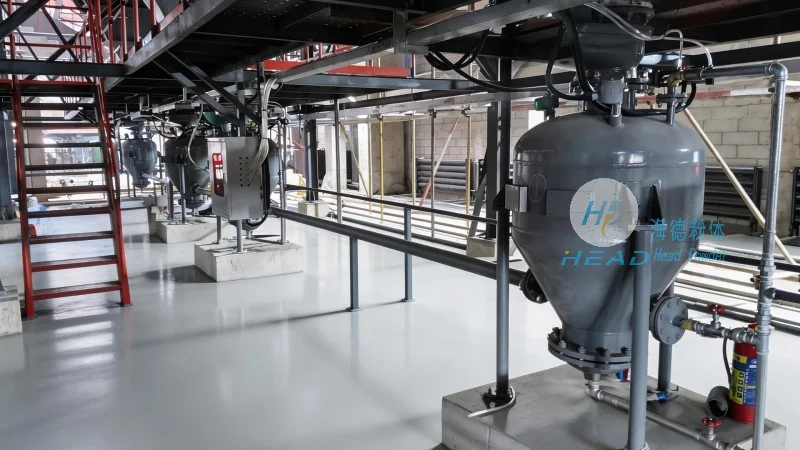
The structural design of a quicklime powder conveying system emphasizes safety and efficiency. The system is constructed with materials resistant to corrosion and abrasion, such as stainless steel or special alloys, to withstand the chemical and physical stresses of quicklime. The hopper and feeder are equipped with sealing mechanisms to prevent dust leakage and protect the environment. The conveyor components are designed with smooth surfaces and minimal sharp edges to reduce material degradation and equipment wear. The working principle involves the controlled release of quicklime from the hopper into the feeder, which then feeds the material into the conveyor. In pneumatic systems, the material is mixed with air and transported through a network of pipes to the destination point, where it is separated from the air and collected in a receiving hopper. Mechanical systems use rotating components to move the material along a path, with the material being discharged at the end of the conveyor.
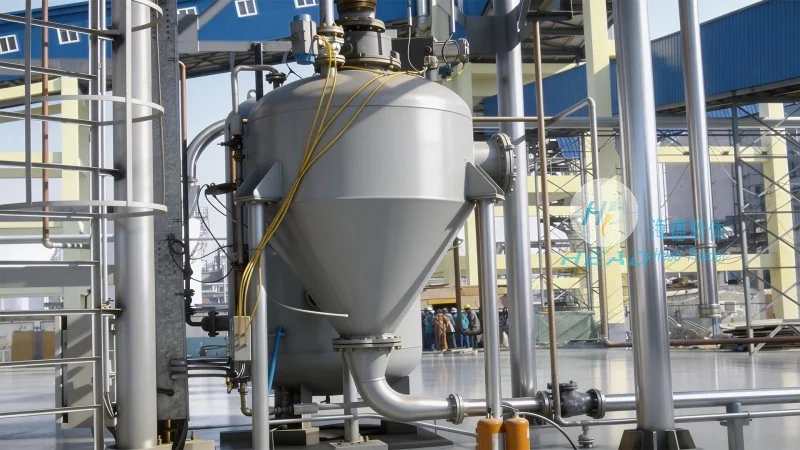
Implementing a quicklime powder conveying system offers several advantages for industrial operations. Firstly, it enhances production efficiency by providing a continuous and reliable flow of quicklime, reducing downtime caused by material handling issues. Secondly, it improves safety by containing dust and preventing exposure to workers, as well as minimizing the risk of dust explosions. Thirdly, the system reduces material loss and contamination, ensuring that the quicklime delivered to the process is of consistent quality. Additionally, the modular design of the system allows for easy integration with existing production lines and scalability to meet growing production demands.
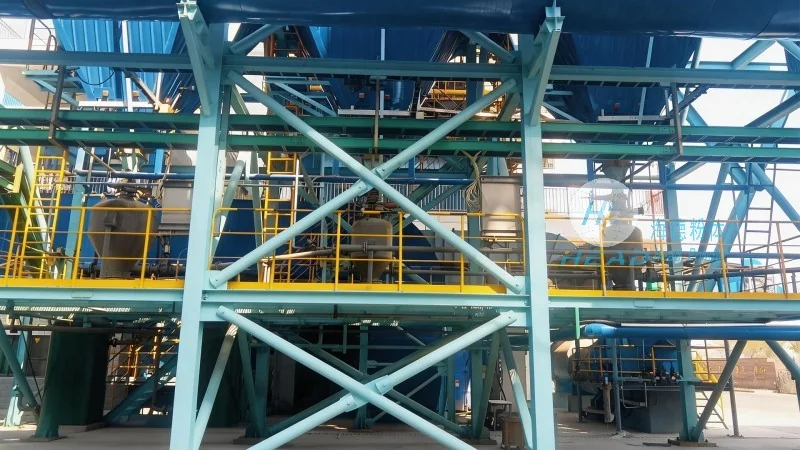
Quicklime powder conveying systems are widely used in various industries. In the chemical industry, they are used to transport quicklime to reactors for flue gas desulfurization, where it reacts with sulfur dioxide to form calcium sulfite or calcium sulfate. In the steel industry, quicklime is used as a flux in the blast furnace, and the conveying system ensures a steady supply of the material to maintain the furnace's operation. In the construction industry, quicklime is used in the production of cement and lime mortar, and the system facilitates the transport of the powder to mixing plants. Each application requires a customized conveying system to meet the specific flow rates, material properties, and environmental regulations.
Quicklime powder conveying systems are critical infrastructure in industries that rely on quicklime as a key material. The systems combine advanced engineering with robust design to address the unique challenges of handling quicklime, ensuring efficient, safe, and reliable operation. Shandong HeadPowder Engineering Co., Ltd. specializes in designing and manufacturing these systems, providing tailored solutions that meet the diverse needs of industrial clients. By investing in a high-quality quicklime powder conveying system, companies can improve their operational efficiency, enhance safety standards, and maintain the quality of their products.

 Shandong Headpowder Engineering Co., Ltd.
 156-6277-7102(Manager Zhang)
  0531-83386006
  Jinan City, Shandong Province, China
telephone
WeChatconsult
top