

[Magnesium Sulfate Delivery Methods: An Overview of the Advantages and Features of Pneumatic Conveying]
When it comes to transporting magnesium sulfate, selecting the right delivery method is crucial for efficiency, safety, and cost-effectiveness. Magnesium sulfate, also known as Epsom salt, is widely used in industrial applications such as chemical manufacturing, agriculture, and pharmaceutical production. The choice of conveying system directly impacts operational performance, material handling, and overall process reliability. This article explores various magnesium sulfate delivery methods, with a focus on the advantages and features of pneumatic conveying, a technology that has become increasingly popular in modern material handling.
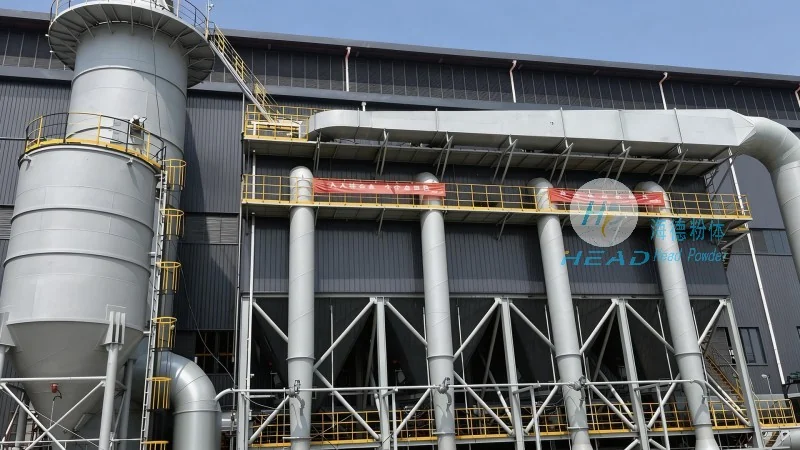
Introduction to Magnesium Sulfate Conveying Methods
Traditionally, magnesium sulfate has been transported using methods like gravity flow, belt conveyors, and screw conveyors. Gravity flow systems rely on the natural descent of the material, which is suitable for short vertical or horizontal distances and when the material is free-flowing. Belt conveyors are versatile and can handle large volumes, but they require significant space and maintenance. Screw conveyors are effective for vertical or inclined transport but may cause material degradation if the material is abrasive or sensitive. Each of these methods has its limitations, particularly when dealing with bulk quantities or when the material needs to be transported over longer distances or through complex routes.
Understanding Pneumatic Conveying for Magnesium Sulfate
Pneumatic conveying, also known as air conveying, uses a combination of air and pressure to move bulk materials through a pipeline. This method is particularly effective for magnesium sulfate due to its ability to handle fine powders and granules without the need for mechanical components that could cause wear or contamination. The system typically consists of a hopper, a conveyor line, and a receiver, with air being introduced to create a flow of material. There are two main types of pneumatic conveying: pressure and vacuum. Pressure systems use compressed air to push the material through the pipeline, while vacuum systems use a vacuum to pull the material. Both methods offer flexibility in terms of distance and layout, making them suitable for various industrial settings.
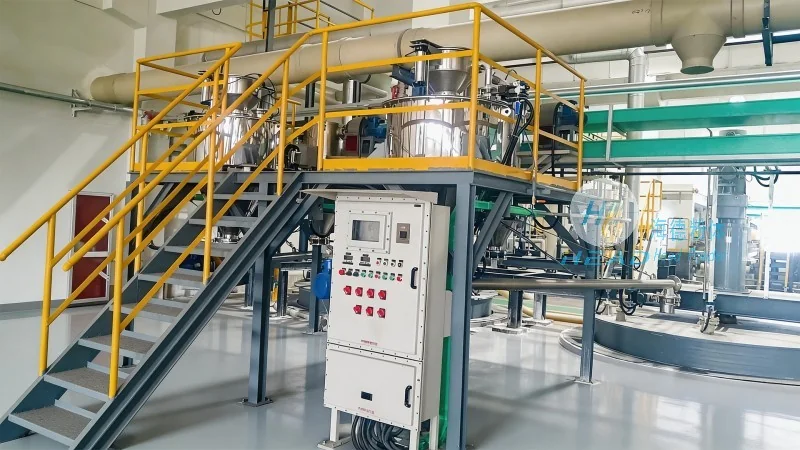
Key Advantages of Pneumatic Conveying in Magnesium Sulfate Handling
One of the primary advantages of pneumatic conveying for magnesium sulfate is its ability to handle fine powders and prevent material degradation. Unlike mechanical systems that may cause friction and breakage, pneumatic conveying uses air to transport the material, minimizing the risk of particle damage. This is especially important for magnesium sulfate, which is often used in applications where the particle size and integrity are critical, such as in chemical reactions or agricultural fertilizers. Additionally, pneumatic conveying systems are highly flexible, allowing for easy integration into existing production lines and the ability to transport materials over long distances without the need for multiple transfer points. The system can also be designed to handle varying material flow rates, ensuring consistent performance even under changing operational conditions.
Another significant advantage is the improved safety and hygiene of pneumatic conveying. Since the material is contained within a sealed pipeline, there is minimal exposure to the environment, reducing the risk of dust inhalation or contamination. This is particularly beneficial in industries where product purity is paramount, such as pharmaceuticals or food processing. Furthermore, pneumatic conveying systems can be equipped with filtration and cleaning mechanisms to maintain a clean and controlled environment, ensuring that the magnesium sulfate remains free from impurities throughout the transport process.
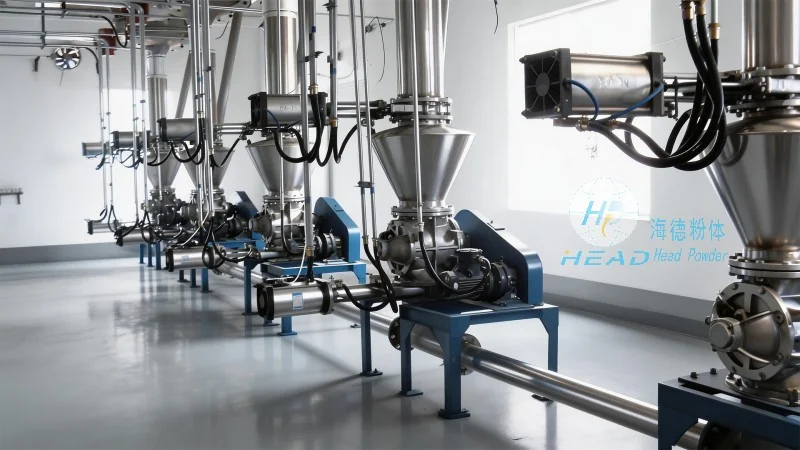
How Shandong HeadPowder Engineering Co., Ltd. Utilizes Pneumatic Conveying Technology
Shandong HeadPowder Engineering Co., Ltd., a leading provider of material handling solutions, specializes in designing and implementing advanced pneumatic conveying systems for magnesium sulfate and other bulk materials. The company's expertise lies in customizing systems to meet the specific needs of clients, ensuring optimal performance and efficiency. For magnesium sulfate applications, HeadPowder engineers consider factors such as material characteristics, required transport distances, and production capacity to design a system that maximizes throughput while minimizing energy consumption. The company utilizes high-quality components, including durable pipelines, efficient air compressors, and advanced control systems, to ensure reliable operation and long service life. HeadPowder's commitment to innovation and quality has made them a trusted partner for industries seeking to enhance their material handling processes. The company's facilities are located in Shandong, China, where they have access to a skilled workforce and state-of-the-art manufacturing capabilities, enabling them to deliver superior products and services to clients worldwide.
Conclusion on Pneumatic Conveying as a Preferred Method for Magnesium Sulfate Transport
As industries continue to demand more efficient and reliable material handling solutions, pneumatic conveying has emerged as a preferred method for transporting magnesium sulfate. Its ability to handle fine powders, maintain product integrity, and provide flexible, safe operation makes it an ideal choice for modern production environments. While traditional methods like gravity flow and belt conveyors remain relevant for certain applications, pneumatic conveying offers superior performance and adaptability, especially for bulk and long-distance transport. For companies like Shandong HeadPowder Engineering Co., Ltd., pneumatic conveying technology represents the future of magnesium sulfate handling, enabling them to meet the evolving needs of their clients and maintain a competitive edge in the market. By investing in advanced pneumatic conveying systems, industries can improve operational efficiency, reduce costs, and ensure the consistent quality of their magnesium sulfate products.