

What Are the Delivery Methods for Calcium Nitrite? An Overview of the Advantages and Features of Pneumatic Conveying
Calcium nitrite is a chemical compound widely used in various industrial applications, including water treatment, food preservation, and as a de-icing agent. The efficient and safe delivery of this substance is crucial for maintaining operational efficiency and product quality. This article explores the different delivery methods available for calcium nitrite, with a focus on the advantages and features of pneumatic conveying systems.
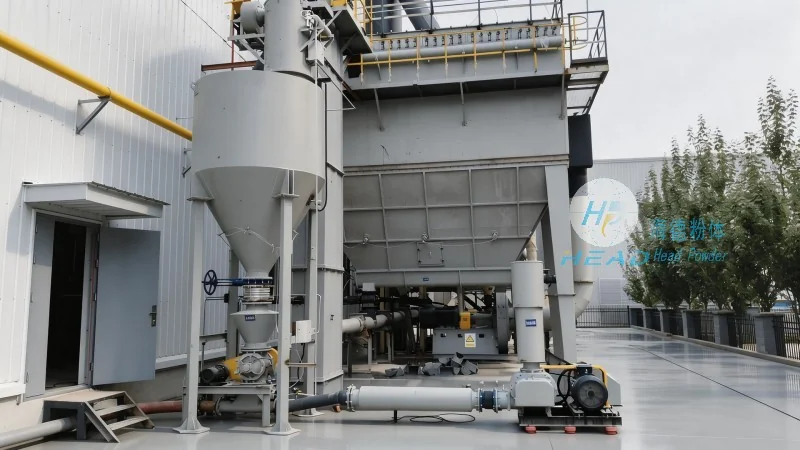
Pneumatic Conveying: A Preferred Method for Calcium Nitrite Transport
One of the most effective and widely adopted methods for transporting calcium nitrite is pneumatic conveying. This technology utilizes air or other gases to move the material through a pipeline system. Pneumatic conveying offers several key advantages that make it an ideal choice for handling calcium nitrite, especially in applications requiring high precision and minimal product degradation.
Firstly, pneumatic conveying systems provide a dust-free and enclosed environment, which is essential for maintaining the purity of calcium nitrite. Unlike traditional bulk handling methods that may expose the material to the air, pneumatic systems keep the product contained, reducing the risk of contamination and moisture absorption. This is particularly important for calcium nitrite, as it can degrade or react with atmospheric elements if not handled properly.
Secondly, the flexibility of pneumatic conveying allows for the transportation of calcium nitrite over long distances and through complex layouts. The system can be easily integrated with existing industrial infrastructure, and the pipeline can be adjusted to accommodate changes in the production process. This adaptability makes it suitable for various industrial settings, from small-scale operations to large-scale manufacturing facilities.
Thirdly, pneumatic conveying offers high efficiency in terms of material handling. The system can transport large volumes of calcium nitrite at a consistent rate, minimizing downtime and increasing overall productivity. The use of positive pressure or negative pressure systems ensures that the material is moved smoothly and without blockages, which is critical for maintaining the quality of the product.
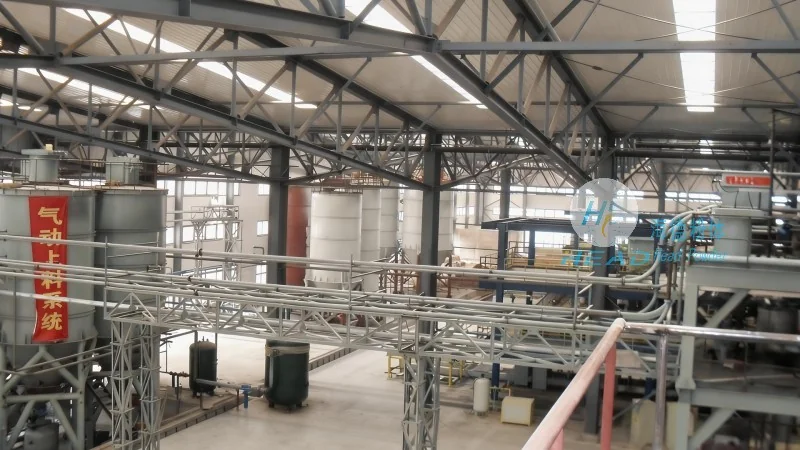
Additionally, pneumatic conveying systems are relatively easy to install and maintain. The components, such as the air compressor, pipeline, and control valves, are straightforward and can be serviced with standard industrial tools. This reduces the overall operational costs and ensures that the system remains reliable over time. For companies dealing with calcium nitrite, investing in a pneumatic conveying system can lead to significant cost savings and improved operational performance.
Other Delivery Methods for Calcium Nitrite
While pneumatic conveying is a popular choice, other delivery methods are also used for calcium nitrite, depending on the specific application and operational requirements. These include bulk bag handling, truck loading, and conveyor systems. Each method has its own advantages and limitations, and the choice of delivery method depends on factors such as the volume of material to be transported, the distance, and the desired level of automation.
Bulk bag handling, for example, is commonly used for smaller quantities of calcium nitrite. The material is loaded into flexible intermediate bulk containers (FIBCs), which are then transported to the destination. This method is cost-effective for low-volume shipments and allows for easy handling and storage. However, it may not be suitable for large-scale operations or for applications requiring continuous flow.
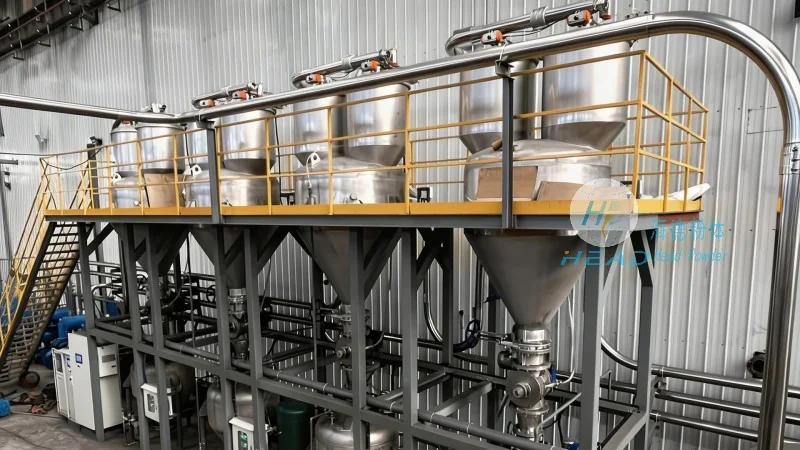
Truck loading is another method used for transporting calcium nitrite in bulk. The material is loaded directly into trucks or railcars, which are then transported to the customer's site. This method is suitable for long-distance transportation and can handle large volumes of material. However, it may be less efficient for frequent, small shipments and may require additional handling steps at the destination.
Conveyor systems, such as belt conveyors or screw conveyors, are also used for calcium nitrite transport. These systems are particularly effective for moving the material over short distances or within a production facility. They provide a reliable and consistent flow of material, and can be integrated with other equipment for automated processing. However, conveyor systems may not be as flexible as pneumatic conveying and may require more space and maintenance.
Key Considerations for Choosing a Delivery Method
When selecting a delivery method for calcium nitrite, several factors need to be considered to ensure the best fit for the specific application. The first consideration is the volume and frequency of the material to be transported. For high-volume, continuous operations, pneumatic conveying is often the most efficient choice. For smaller volumes or infrequent shipments, bulk bag handling or truck loading may be more suitable.
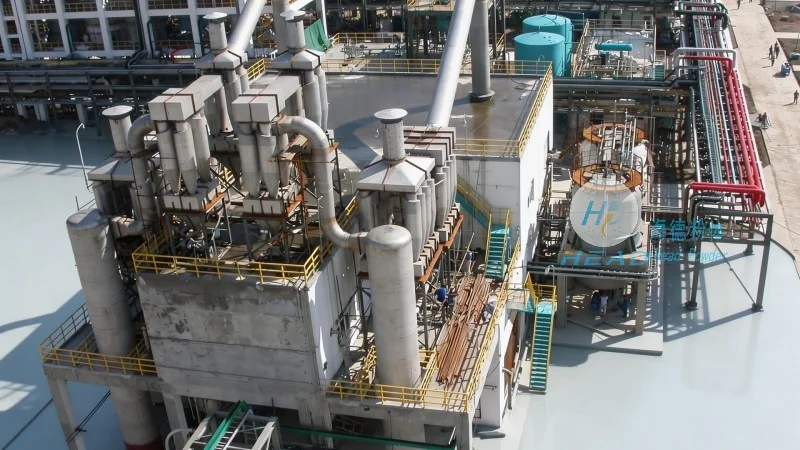
Another important factor is the distance and layout of the transportation route. Pneumatic conveying is ideal for long distances and complex layouts, as the pipeline can be routed around obstacles and through multiple locations. Bulk bag handling and truck loading are more suitable for shorter distances and simpler routes.
The level of automation required is also a key consideration. Pneumatic conveying systems can be fully automated, with sensors and control systems monitoring the flow and pressure of the material. This reduces the need for manual intervention and improves safety. Other methods, such as bulk bag handling or truck loading, may require more manual labor and may be less automated.
Finally, the cost of the delivery method should be evaluated. Pneumatic conveying systems have a higher initial investment compared to other methods, but they offer long-term cost savings due to increased efficiency and reduced maintenance. Bulk bag handling and truck loading may have lower initial costs but may result in higher operational costs over time.
Conclusion
Calcium nitrite is a valuable chemical compound with diverse industrial applications, and the choice of delivery method plays a critical role in ensuring its efficient and safe transport. Pneumatic conveying, with its enclosed and dust-free environment, flexibility, and high efficiency, is a preferred method for many applications. However, other methods, such as bulk bag handling and truck loading, may be suitable for specific scenarios. By considering factors such as volume, distance, automation, and cost, companies can select the most appropriate delivery method for their calcium nitrite operations. For those in need of reliable and efficient calcium nitrite delivery solutions, Shandong HeadPowder Engineering Co., Ltd. offers expert services and advanced technology to meet their needs.