
Shandong Headpowder Engineering Co., Ltd. specializes in powder & pellet pneumatic conveying. With industry‑university‑research strengths, we deliver sealed, dust‑free and precise conveying solutions.
Your current position:首页 >> Solutions >> Conveying Solutions for Environmental Protection Industry
Pneumatic Conveying Scheme for Cement Raw Meal
简介:
  • In the cement manufacturing industry, efficient and reliable material handling is critical to mainta...
WeChat
details
recommend

In the cement manufacturing industry, efficient and reliable material handling is critical to maintaining production quality and operational continuity. Cement raw meal, a finely ground mixture of limestone, clay, iron ore, and other corrective materials, must be transported from grinding mills to homogenization silos, kiln feed systems, or blending stations without contamination or segregation. Pneumatic conveying technology has emerged as the preferred method for this task, offering enclosed, dust-free, and flexible transport over varying distances. This article provides a comprehensive overview of a professional cement raw meal pneumatic conveying solution, covering the system design, equipment selection, engineering considerations, and the role of an experienced manufacturer like Haide Powder (Shandong Haide Powder Engineering Co., Ltd.). Whether you are seeking a reliable cement raw meal pneumatic conveying manufacturer, need expert cement raw meal conveying engineering design, or require a complete cement raw meal conveying system, this guide will help you understand the key factors that ensure optimal performance and long-term cost efficiency.

Pneumatic Conveying Scheme for Cement Raw Meal

Understanding Cement Raw Meal Pneumatic Conveying Systems

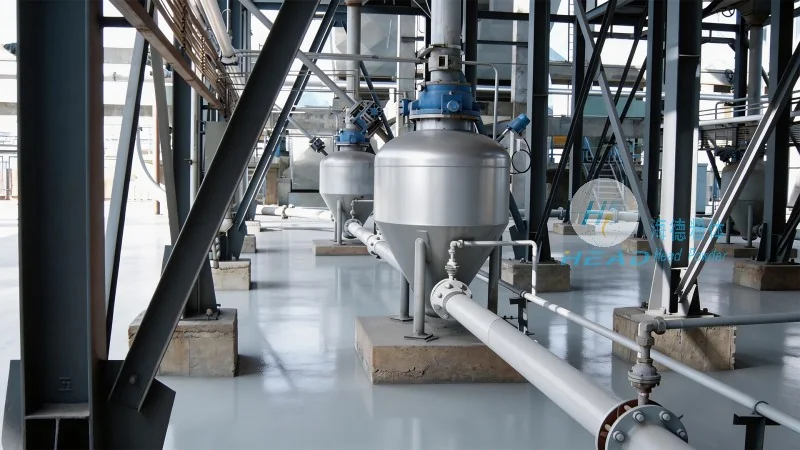
A cement raw meal pneumatic conveying system utilizes air pressure or vacuum to move dry, pulverized raw meal through pipelines. The system typically includes a feeding device (such as a rotary airlock or screw feeder), a conveying pipeline, a receiving hopper, and an air-moving unit (blower or compressor). The raw meal, with a particle size typically below 90 microns and a moisture content below 1%, is fluidized and transported in a dense phase or dilute phase mode, depending on the distance, capacity, and material characteristics. For cement plants, dense phase conveying is often preferred because it operates at lower velocities, reducing pipe wear and energy consumption while maintaining gentle material handling. The entire process is enclosed, eliminating dust emissions and protecting the raw meal from moisture and contamination. A well-designed cement raw meal conveying system must account for the material's abrasiveness, hygroscopic nature, and tendency to pack or bridge. Properly engineered systems ensure consistent flow, minimal particle degradation, and reliable operation even under varying feed rates.

Key Components of a Cement Raw Meal Conveying System

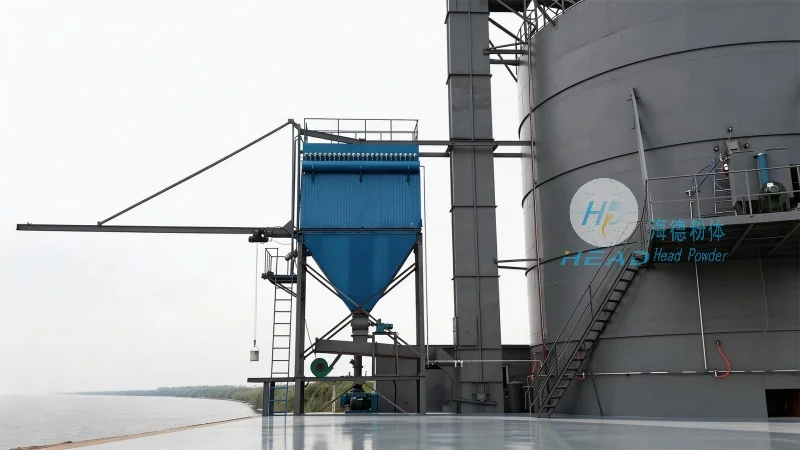
Every robust cement raw meal conveying system is built around several core components, each playing a critical role in overall performance. The feeding device, often a rotary airlock, meters the raw meal into the pipeline while maintaining a pressure seal. The conveying pipeline is made of abrasion-resistant steel, with bends designed to minimize wear and pressure drop. The air source, typically a positive displacement blower or a screw compressor, provides the necessary airflow pressure. At the receiving end, a cyclone separator and a bag filter separate the raw meal from the conveying air, ensuring clean exhaust. A control system, equipped with pressure sensors, flow meters, and PLC logic, monitors and adjusts the conveying parameters in real time. For large-scale cement plants, the system may also include multiple feeding points, diverter valves, and automated cleaning mechanisms. When selecting a cement raw meal pneumatic conveying manufacturer, it is essential to evaluate the quality of these components, the manufacturer's experience in similar projects, and their ability to customize the system to your specific plant layout and capacity requirements.

Pneumatic Conveying Scheme for Cement Raw Meal

Engineering Design Considerations for Cement Raw Meal Transport

Successful cement raw meal conveying engineering design requires a thorough understanding of the raw meal's physical and chemical properties, as well as the plant's operational constraints. The design process begins with material characterization: bulk density, particle size distribution, moisture content, angle of repose, and abrasiveness. These factors determine the conveying mode (dense or dilute phase), pipeline diameter, conveying velocity, and air-to-material ratio. For example, a high-moisture raw meal may require pre-drying or heated conveying air to prevent sticking. The layout of the pipeline must minimize bends and horizontal sections to reduce pressure loss and wear. The elevation difference between the feeding point and the receiving point influences the required blower power. Additionally, the design must consider future expansion, maintenance access, and integration with existing plant control systems. A professional cement raw meal conveying engineering design team, such as the engineers at Haide Powder, uses advanced simulation software to model the system's performance under various operating conditions, ensuring that the final design delivers the required capacity with minimal energy consumption and downtime.

Advantages of Choosing a Professional Cement Raw Meal Pneumatic Conveying Manufacturer

Partnering with a specialized cement raw meal pneumatic conveying manufacturer offers significant advantages over generic material handling solutions. A dedicated manufacturer brings years of industry-specific experience, having tackled challenges such as pipeline clogging, wear, and material degradation in countless cement plants. They can provide a turnkey solution, from initial design and equipment fabrication to installation, commissioning, and after-sales support. Customization is a key benefit: the system can be tailored to fit existing plant infrastructure, accommodate specific space constraints, and meet unique capacity or pressure requirements. Moreover, established manufacturers often have in-house testing facilities where they can simulate conveying conditions using your actual raw meal sample, verifying the design before production. This reduces the risk of costly field modifications. Shandong Haide Powder Engineering Co., Ltd., located in China's Shandong province, is a trusted name in the field of pneumatic conveying. With a team of experienced engineers and a portfolio of successful projects, Haide Powder provides comprehensive solutions for cement raw meal conveying systems, including design, manufacturing, installation, and maintenance. For more information, you can contact Mr. Zhang, the company's representative, at 15662777102.

Pneumatic Conveying Scheme for Cement Raw Meal

Integrating Cement Raw Meal Conveying System with Plant Automation

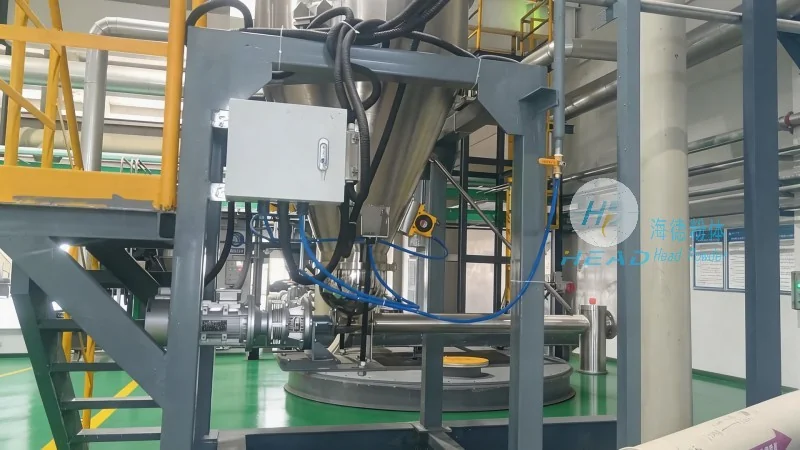
Modern cement plants rely on advanced automation to optimize production efficiency, reduce labor costs, and ensure consistent quality. A cement raw meal conveying system must be seamlessly integrated with the plant's distributed control system (DCS) or programmable logic controller (PLC) network. This integration allows operators to monitor conveying parameters such as line pressure, air flow rate, material flow rate, and system status in real time. Automated start-up and shutdown sequences, alarm management, and remote troubleshooting capabilities further enhance reliability. The control system can also be programmed to adjust conveying speed based on downstream demand, reducing energy waste during low-load periods. When designing the system, it is important to specify the communication protocol (e.g., Modbus, Profibus, or Ethernet/IP) and ensure compatibility with existing plant equipment. A well-integrated cement raw meal conveying system not only improves operational efficiency but also provides valuable data for predictive maintenance, minimizing unplanned downtime.

Maintenance and Longevity of Cement Raw Meal Pneumatic Conveying Equipment

To ensure the long-term performance of a cement raw meal conveying system, a proactive maintenance strategy is essential. The abrasive nature of raw meal causes gradual wear on pipelines, bends, and rotary valves. Regular inspection of pipe wall thickness, especially at bends, allows for timely replacement before leaks occur. The air blower or compressor requires scheduled oil changes, filter replacement, and belt tension checks. The bag filter must be cleaned or replaced periodically to maintain proper air-to-material separation. Additionally, the control system's sensors and actuators should be calibrated and tested annually. Many manufacturers, including Haide Powder, offer comprehensive maintenance packages and remote monitoring services. By establishing a maintenance schedule and using genuine spare parts, plant operators can extend the system's lifespan to 15 years or more. Investing in high-quality components from the outset, such as abrasion-resistant steel and heavy-duty rotary valves, reduces the frequency of repairs and lowers the total cost of ownership. Contact Mr. Zhang at 15662777102 for detailed information on maintenance services and spare parts availability.

Case Study: Successful Implementation of a Cement Raw Meal Conveying System

To illustrate the practical benefits of a properly engineered cement raw meal conveying system, consider a recent project completed by Haide Powder for a medium-sized cement plant in Shandong province. The plant required a system capable of transporting 50 tons per hour of raw meal from a vertical roller mill to a homogenization silo located 200 meters away, with an elevation gain of 15 meters. The raw meal had a bulk density of 1.2 t/m³ and a moisture content of 0.8%. After analyzing the material properties and site constraints, the engineering team selected a dense phase conveying system with a positive displacement blower. The pipeline was designed with a diameter of 150 mm and included long-radius bends to minimize wear. The system was equipped with a PLC-based control system that automatically regulated the conveying pressure and flow rate. During commissioning, the system achieved a capacity of 52 tons per hour with an energy consumption of only 0.8 kWh per ton, significantly lower than the plant's previous dilute phase system. The dust emissions were reduced to near zero, improving the working environment. The project was completed within the scheduled 8 weeks, and the plant reported a 30% reduction in maintenance costs compared to the old system. This case demonstrates the value of working with a knowledgeable cement raw meal pneumatic conveying manufacturer and investing in proper engineering design. For a similar assessment of your plant's needs, reach out to Haide Powder's team.

Pneumatic Conveying Scheme for Cement Raw Meal

Why Contact Haide Powder for Your Cement Raw Meal Conveying Needs

Shandong Haide Powder Engineering Co., Ltd. (known as Haide Powder) has been a leading provider of pneumatic conveying solutions in China for over a decade. With a strong focus on the cement industry, the company has delivered hundreds of cement raw meal conveying systems to plants across the country and internationally. Their expertise covers every aspect of the project, from initial feasibility study and concept design to equipment manufacturing, installation supervision, and after-sales support. The company's in-house R&D team continuously improves system efficiency and reliability, incorporating the latest advancements in wear-resistant materials, control algorithms, and energy-saving components. Located in the industrial hub of Shandong, Haide Powder benefits from a robust supply chain and skilled workforce, ensuring competitive pricing and timely delivery. Whether you need a small-scale system for a pilot plant or a large-capacity solution for a 10,000 tpd production line, the engineers at Haide Powder can tailor the design to your exact specifications. To discuss your project requirements, schedule a site visit, or request a quotation, please contact Mr. Zhang, the company's sales manager, at 15662777102. He and his team will provide professional guidance and a customized proposal.

Conclusion: Optimizing Cement Raw Meal Transport with Professional Solutions

In summary, the selection and implementation of a cement raw meal pneumatic conveying system have a direct impact on a cement plant's productivity, energy efficiency, and environmental compliance. By choosing a reliable cement raw meal pneumatic conveying manufacturer and investing in thorough cement raw meal conveying engineering design, plant operators can achieve trouble-free material transport with minimal maintenance and operating costs. The key to success lies in understanding the material properties, designing a system that matches the plant's layout and capacity, and integrating it with modern automation. Haide Powder, as a specialized provider, offers the expertise and equipment needed to deliver a high-performance cement raw meal conveying system. For any inquiries or to start your project, remember to contact Mr. Zhang at 15662777102. With the right partner, your cement raw meal conveying system will become a seamless and efficient component of your production process.

Copyright © Shandong Headpowder Engineering Co., Ltd. All Rights Reserved.    Publicity of business license

top