

Efficient Pneumatic Conveying of Limestone Powder: How to Transport Bulk Powders Using Air Flow
Efficiently transporting limestone powder and other bulk powders is a critical challenge in many industrial sectors, from mining and construction to chemical processing. Traditional methods like belt conveyors or manual handling often fall short when dealing with fine, dusty materials, leading to inefficiencies, increased labor costs, and potential safety hazards. This is where pneumatic conveying systems offer a superior solution, leveraging the power of air to move materials with precision and reliability. In this article, we explore the principles and applications of limestone powder pneumatic conveying, highlighting how companies like Shandong HeadPowder Engineering Co., Ltd. (headpowder) have mastered this technology to deliver high-performance solutions for their clients.
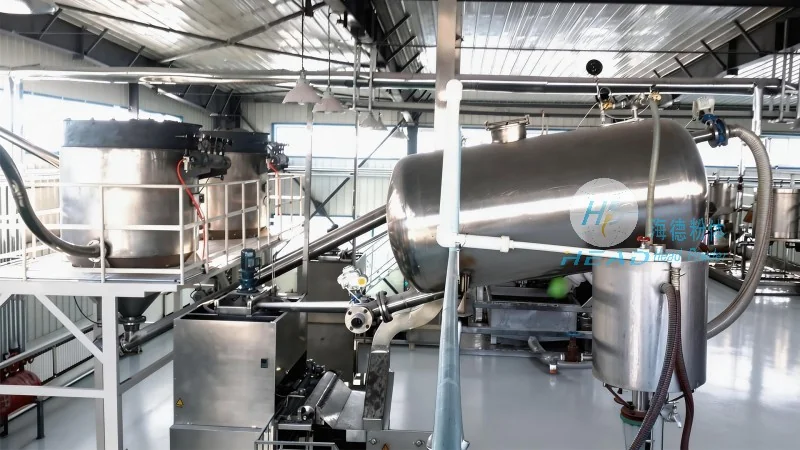
Understanding Pneumatic Conveying Systems
Pneumatic conveying, also known as air conveying, is a method of transporting bulk materials through a pipeline using a stream of air. Unlike mechanical systems that rely on belts, buckets, or screws, pneumatic systems use pressure or vacuum to move materials. There are two primary types: pressure conveying, which uses compressed air to push material through the system, and vacuum conveying, which uses a vacuum to pull material into the pipeline. For limestone powder, pressure conveying is often preferred due to its ability to handle higher material loads and longer distances without significant pressure loss.
The Core Components of a Limestone Powder Pneumatic Conveying System
At the heart of any effective pneumatic conveying system for limestone powder are several key components, each playing a vital role in ensuring smooth and efficient operation. The primary components include:
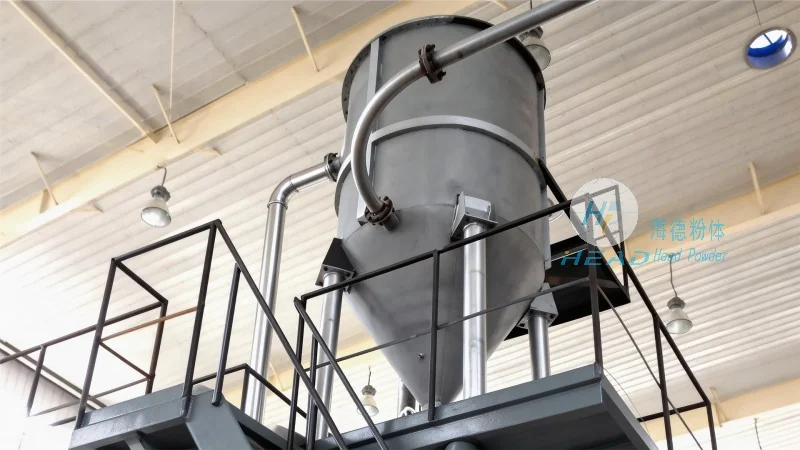
- Feeder: The feeder is responsible for introducing the limestone powder into the system in a controlled manner. It ensures a consistent flow of material, preventing clogging and maintaining system efficiency. For limestone powder, which can be fine and prone to bridging, a well-designed feeder is crucial.
- Conveying Pipeline: The pipeline is the main channel through which the limestone powder travels. It is typically made of materials like stainless steel or plastic, chosen for their resistance to corrosion and abrasion from the fine powder. The diameter and length of the pipeline are carefully selected to minimize pressure drop and ensure the material reaches its destination without degradation.
- Air Supply System: This component provides the necessary air pressure or vacuum to move the material. It includes compressors (for pressure systems) or vacuum pumps (for vacuum systems), along with filters and regulators to maintain clean, dry air and consistent pressure levels. The air supply system is critical for maintaining the system's performance and preventing contamination.
- Control Valves and Switches: These components allow operators to control the flow of material and air within the system. They enable start-up, shutdown, and adjustment of the conveying rate, ensuring the system can be adapted to changing production needs. Proper control is essential for preventing overloading and maintaining system stability.
- Receiver: The receiver is where the limestone powder is deposited after being conveyed. It is designed to handle the material's characteristics, such as its fine particle size and potential for dust generation. The receiver often includes features like dust collection systems or silos to store the material safely and efficiently.
Advantages of Pneumatic Conveying for Limestone Powder
Compared to traditional mechanical conveying methods, pneumatic systems offer several distinct advantages when handling limestone powder and other bulk powders:
- Reduced Downtime and Maintenance: Pneumatic systems have fewer moving parts compared to mechanical conveyors, which reduces the risk of breakdowns and lowers maintenance costs. This results in higher system availability and lower operational expenses.
- Improved Safety: By eliminating the need for manual handling of fine powders, pneumatic systems reduce the risk of dust explosions and exposure to harmful particles. The enclosed pipeline also prevents material loss and contamination.
- Flexibility in Layout: Pneumatic conveying allows for more flexible system layouts, as the pipeline can be routed around obstacles and in multiple directions. This is particularly beneficial in facilities with limited space or complex layouts.
- Energy Efficiency: Modern pneumatic systems are designed to be energy-efficient, using only the necessary amount of air to move the material. This reduces energy consumption and operating costs, making it a cost-effective solution for long-term use.
- Minimal Product Contamination: The enclosed system prevents cross-contamination between different materials, ensuring the purity of the limestone powder. This is critical for applications where material quality is paramount, such as in food processing or pharmaceuticals.
Applications of Limestone Powder Pneumatic Conveying
Limestone powder is widely used in various industries, and pneumatic conveying systems are tailored to meet the specific needs of these applications. Some common uses include:
- Construction and Building Materials: Limestone powder is a key ingredient in cement production and concrete mixtures. Pneumatic systems efficiently transport limestone from storage silos to production lines, ensuring a consistent supply of raw material.
- Chemical Processing: In chemical plants, limestone is used as a neutralizing agent or as a raw material for various products. Pneumatic conveying allows for the safe and efficient transport of limestone powder to reactors and processing equipment.
- Food and Beverage Industry: Limestone is used as a calcium supplement in some food products. Pneumatic systems ensure that the limestone powder is handled hygienically and without contamination, meeting strict food safety standards.
- Mining and Mineral Processing: In mining operations, limestone is used for acid neutralization and as a flux in ore processing. Pneumatic conveying systems transport limestone powder from storage to processing areas, improving operational efficiency.
Case Study: Shandong HeadPowder Engineering Co., Ltd. and Pneumatic Conveying Solutions
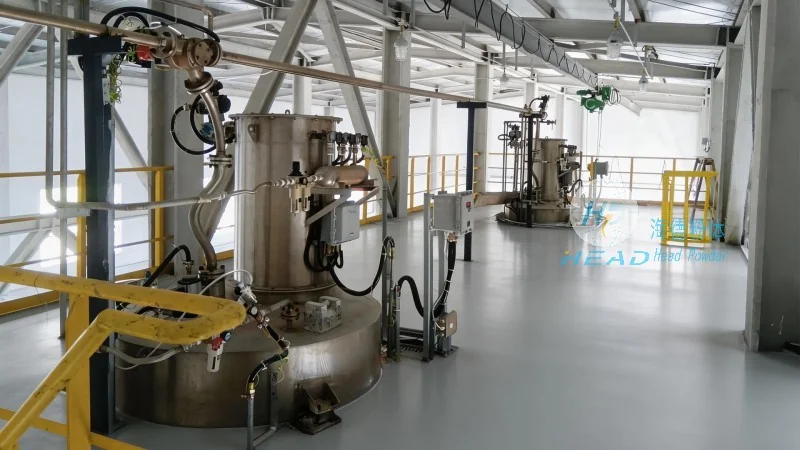
Shandong HeadPowder Engineering Co., Ltd., commonly known as headpowder, is a leading provider of pneumatic conveying systems for limestone powder and other bulk materials. With a focus on innovation and customer satisfaction, headpowder has developed customized solutions tailored to the unique needs of each client. For example, a client in the cement industry required a system to transport limestone powder from a storage silo to a grinding mill over a distance of 500 meters. headpowder designed a pressure conveying system with a high-capacity feeder and a stainless steel pipeline, ensuring reliable and efficient material transport. The system reduced the client's material handling costs by 30% and improved production efficiency by minimizing downtime.
Choosing the Right Pneumatic Conveying System for Limestone Powder
When selecting a pneumatic conveying system for limestone powder, several factors must be considered to ensure optimal performance. These include:
- Material Characteristics: The particle size, density, and flowability of the limestone powder are critical factors. Fine powders require higher air velocities and more careful system design to prevent clogging.
- Conveying Distance and Height: The distance and vertical height the material needs to travel will determine the required air pressure and system components. Longer or higher conveyances may require additional boosters or larger compressors.
- System Capacity: The required throughput of the system, measured in tons per hour, will influence the size of the feeder, pipeline, and air supply system.
- Environmental and Safety Requirements: The system must comply with local regulations regarding dust control and explosion prevention. This may require additional features like dust collection systems or explosion-proof components.
Conclusion
Pneumatic conveying is a highly effective and efficient method for transporting limestone powder and other bulk powders. By leveraging the power of air, these systems offer significant advantages over traditional mechanical methods, including reduced maintenance, improved safety, and flexibility. Companies like Shandong HeadPowder Engineering Co., Ltd. play a crucial role in providing customized pneumatic conveying solutions that meet the specific needs of their clients, helping to optimize operations and reduce costs. As the demand for efficient material handling continues to grow, pneumatic conveying remains a top choice for industries relying on limestone powder and other fine materials.