

White Mud Pneumatic Conveying and Automatic Feeding System
Shandong HeadPowder Engineering Co., Ltd., commonly known as headpowder, specializes in industrial automation solutions tailored for the processing of white mud, a key byproduct in the papermaking industry. The company's flagship product, the White Mud Pneumatic Conveying and Automatic Feeding System, represents a sophisticated integration of pneumatic conveying technology and automated material handling, designed to enhance efficiency and precision in white mud management. This system is engineered to address the unique challenges associated with white mud, such as its high moisture content, abrasive nature, and the need for consistent feeding into downstream processes. By leveraging advanced pneumatic conveying principles and intelligent control systems, the solution ensures reliable material transport while minimizing operational disruptions and maintenance requirements.
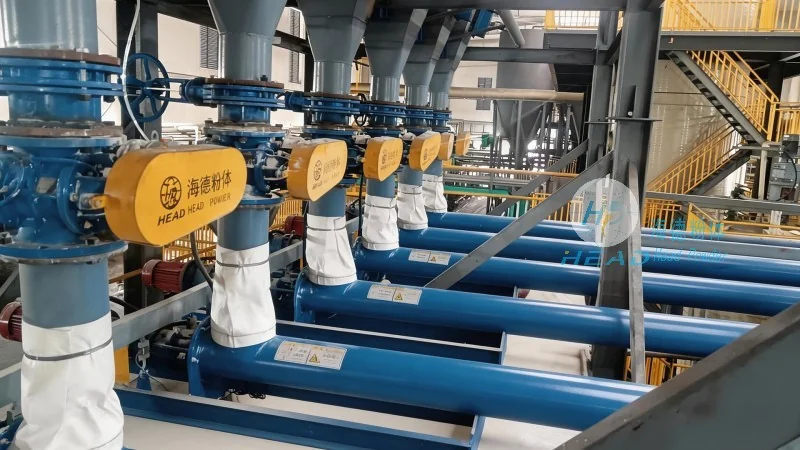
Core Technical Features of the Pneumatic Conveying System
The pneumatic conveying module of the system employs a positive pressure or negative pressure conveying approach, depending on the specific application requirements. The positive pressure system utilizes a blower to generate airflow that propels white mud particles through a network of pipes, while the negative pressure system draws material from a hopper using a vacuum source. Both approaches are optimized for the characteristics of white mud, including its particle size distribution and moisture levels. The system incorporates high-quality, corrosion-resistant materials, such as stainless steel and special alloys, to withstand the abrasive and acidic conditions often encountered in white mud processing. Additionally, the conveying lines are equipped with inline filters and cyclone separators to prevent clogging and ensure consistent material flow. The control system integrates sensors for real-time monitoring of pressure, flow rate, and material level, providing operators with immediate feedback and enabling proactive adjustments to maintain optimal performance.
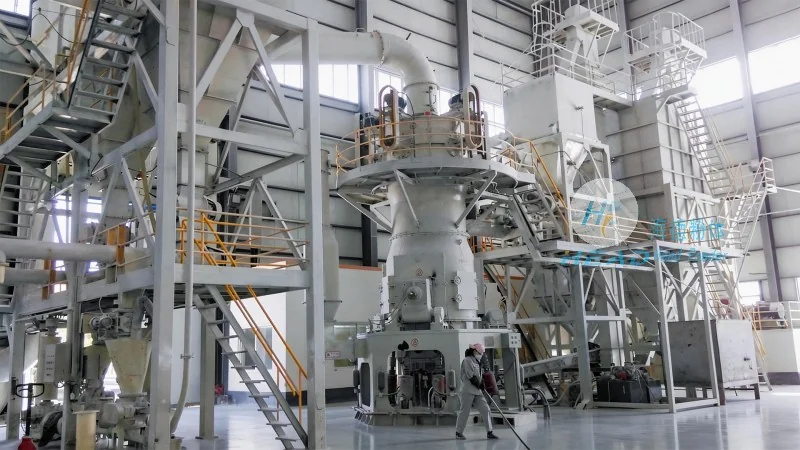
Automatic Feeding and Dosing Mechanisms
The automatic feeding component of the system is designed to deliver white mud to downstream processes with precise control over dosage and flow rate. It typically includes a hopper with a variable-speed feeder, such as a rotary valve or screw conveyor, which can be adjusted to match the required production rate. The feeder is connected to the pneumatic conveying line, allowing for seamless integration with the conveying system. The control system uses feedback from sensors (e.g., pressure transducers, flow meters) to regulate the feeder speed, ensuring that the white mud is delivered at the exact rate needed. This automation eliminates manual intervention, reducing human error and improving consistency in the feeding process. The system also includes safety features, such as overload protection and emergency stop buttons, to safeguard both equipment and personnel. The dosing accuracy is typically within ±2% of the setpoint, making it suitable for applications where precise material control is critical, such as in the preparation of white mud slurry for further processing.
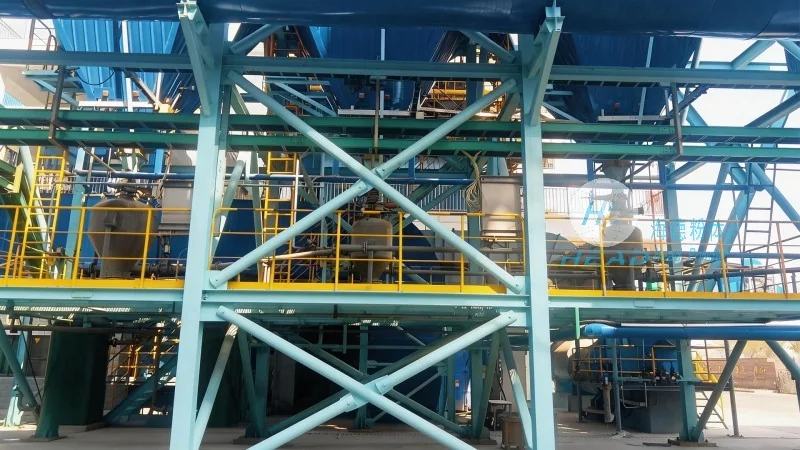
Advantages and Benefits for Industrial Applications
The White Mud Pneumatic Conveying and Automatic Feeding System offers several advantages that enhance operational efficiency and reduce costs for paper mills and other industrial facilities. Firstly, it significantly improves material handling efficiency by eliminating the need for manual loading and unloading of white mud, which is often labor-intensive and hazardous. The automated system reduces labor costs and minimizes the risk of accidents associated with handling heavy or abrasive materials. Secondly, the precise control over feeding and conveying ensures consistent quality of the white mud slurry, which is crucial for maintaining the performance of downstream processes, such as papermaking or wastewater treatment. This consistency leads to improved product quality and reduced waste. Thirdly, the system reduces maintenance requirements by using durable components and advanced control systems that minimize downtime. The integrated monitoring and diagnostic features allow for predictive maintenance, enabling timely repairs and preventing unexpected breakdowns. Finally, the system is designed to be flexible and scalable, allowing it to adapt to changes in production volume or process requirements without significant modifications. This adaptability makes it a long-term investment for industrial facilities looking to enhance their white mud management capabilities.
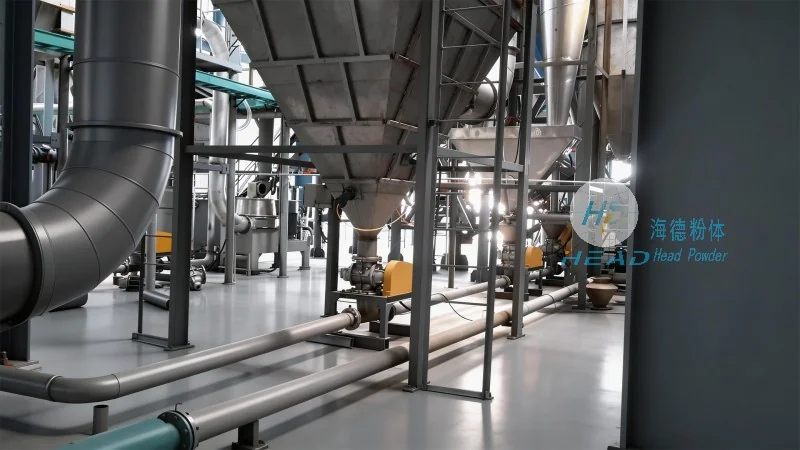
Application Scenarios and Industry Impact
The White Mud Pneumatic Conveying and Automatic Feeding System is widely used in the paper industry, particularly in facilities that process white mud from the bleaching and washing stages of the papermaking process. It is also applicable in other industries where white mud is generated as a byproduct, such as in the production of calcium carbonate or other chemical processes. The system is particularly beneficial for facilities that require large volumes of white mud to be transported and fed into processing equipment, such as large-scale paper mills or chemical plants. By implementing this system, industrial facilities can achieve higher throughput, lower operational costs, and improved environmental compliance. The system's ability to handle high moisture content and abrasive materials makes it suitable for applications where traditional conveying methods, such as belt conveyors or bucket elevators, may be less effective or more expensive to maintain. The integration of automation and control also aligns with the industry's trend towards digitalization and smart manufacturing, enabling facilities to collect data for process optimization and predictive maintenance. Overall, the White Mud Pneumatic Conveying and Automatic Feeding System represents a significant advancement in white mud management, providing industrial facilities with a reliable, efficient, and cost-effective solution to meet their material handling and processing needs.