

Types and Practical Applications of Pneumatic Conveying Systems for Fine Powder Handling
For industries dealing with fine powders, selecting the right pneumatic conveying system is crucial for efficient material handling and process optimization. This article explores the various types of pneumatic conveying systems and their practical applications, providing insights into how these technologies enhance operational efficiency in fine powder processing.
Types of Pneumatic Conveying Systems
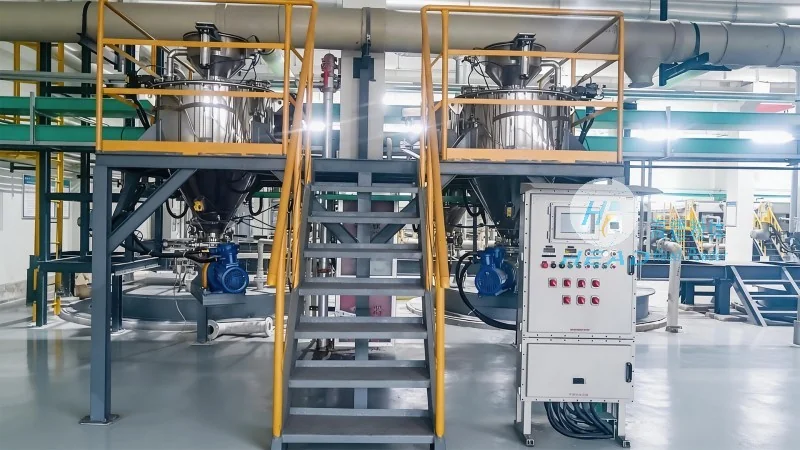
Vacuum conveying systems operate by creating a negative pressure to draw material from a source into a receiver. This method is ideal for applications requiring material to be transported from a lower or elevated position to a processing unit. The system typically includes a vacuum pump, a hopper, and a conveying line. One of the key advantages of vacuum systems is their ability to handle fine powders without causing excessive dust generation, making them suitable for environments where dust control is a priority. Additionally, vacuum conveyors can transport materials over relatively short distances, typically up to 100 meters, and are commonly used in pharmaceutical, food, and chemical industries where product purity is paramount.
Pressure conveying systems, on the other hand, use positive pressure to push material through a pipeline. These systems are more suitable for longer distances and higher material throughput. The primary components include a positive displacement blower or compressor, a hopper, and a conveying line. Pressure systems can handle a wider range of particle sizes and flow rates compared to vacuum systems, making them ideal for bulk material handling in industrial settings. They are often used in applications such as cement, coal, and agricultural products where large volumes of fine powders need to be transported efficiently. A notable advantage of pressure systems is their ability to maintain consistent flow rates, which is critical for processes that require uniform material delivery.
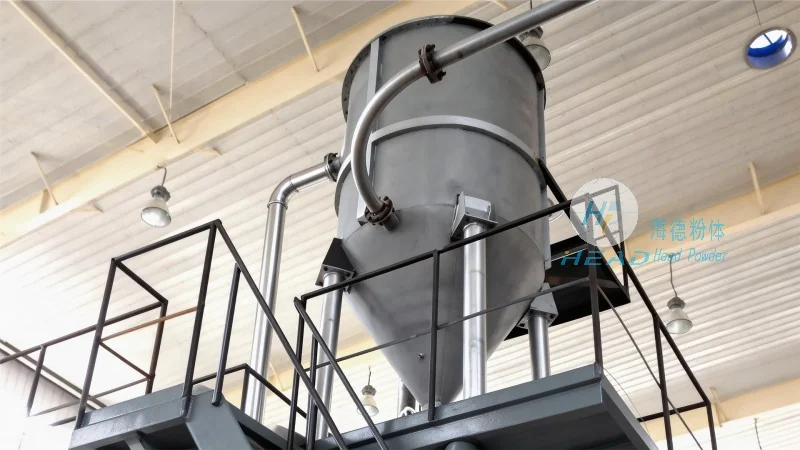
Combined vacuum and pressure systems, also known as dual-mode or hybrid systems, integrate both vacuum and pressure principles to offer flexibility in material handling. These systems can draw material from a source using vacuum and then pressurize the line to transport it to the destination. This approach is particularly useful for applications involving multiple source points or varying material characteristics. The hybrid system allows for efficient handling of both fine and coarse powders, making it versatile for complex industrial processes. For example, in the chemical industry, such systems can transport reactive powders from a reactor to a storage tank while maintaining safety and control. The flexibility of combined systems makes them a popular choice in industries where material properties and process requirements vary significantly.
Practical Applications and Case Studies
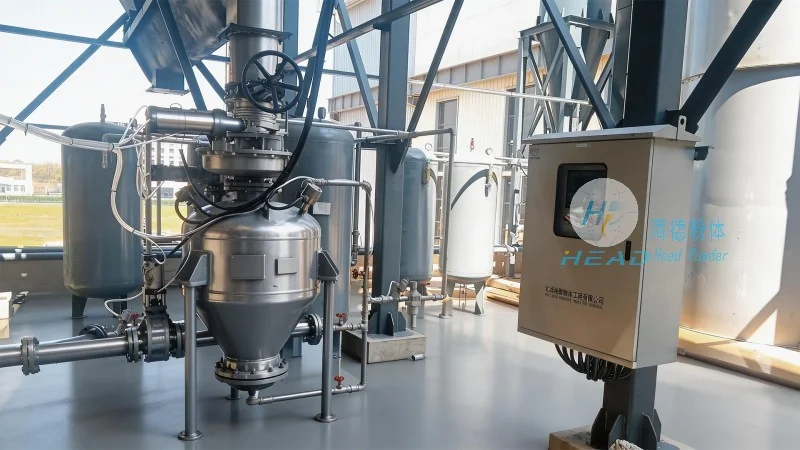
Shandong HeadPowder Engineering Co., Ltd., a leading provider of pneumatic conveying solutions, specializes in designing and manufacturing customized systems tailored to specific industry needs. The company's expertise lies in understanding the unique challenges of fine powder handling, such as dust control, material degradation, and system efficiency. By leveraging advanced engineering and material science, HeadPowder has developed systems that meet the stringent requirements of various sectors, including pharmaceuticals, food processing, and chemical manufacturing. For instance, in a pharmaceutical plant, the company implemented a vacuum conveying system to transport active pharmaceutical ingredients (APIs) from a raw material hopper to a blending unit, ensuring minimal product exposure to air and maintaining high purity standards. Similarly, in a food processing facility, HeadPowder designed a pressure system to handle powdered dairy products, achieving consistent flow rates and preventing contamination. These case studies highlight the practical applications of pneumatic conveying systems in real-world industrial settings, demonstrating their effectiveness in improving operational efficiency and product quality.
In conclusion, the choice of pneumatic conveying system depends on factors such as material characteristics, distance, and process requirements. Vacuum systems excel in dust control and short-distance transport, while pressure systems are better suited for longer distances and higher throughput. Hybrid systems offer the flexibility to handle diverse applications. Companies like Shandong HeadPowder Engineering Co., Ltd. play a vital role in providing tailored solutions that address the specific needs of industries dealing with fine powders. By understanding the types and applications of pneumatic conveying systems, businesses can optimize their material handling processes, reduce operational costs, and enhance overall productivity.