

Pneumatic Conveying in Bulk Handling of Aluminum Sulfate
Aluminum sulfate, a crucial chemical widely used in water treatment, paper manufacturing, and other industrial processes, requires efficient and reliable bulk handling solutions to ensure smooth operations and minimize downtime. Pneumatic conveying technology has emerged as a highly effective method for transporting aluminum sulfate in bulk, offering advantages such as reduced labor costs, improved safety, and enhanced process control. This article explores the application of pneumatic conveying systems in the bulk transport of aluminum sulfate, highlighting the benefits and considerations for industrial users.
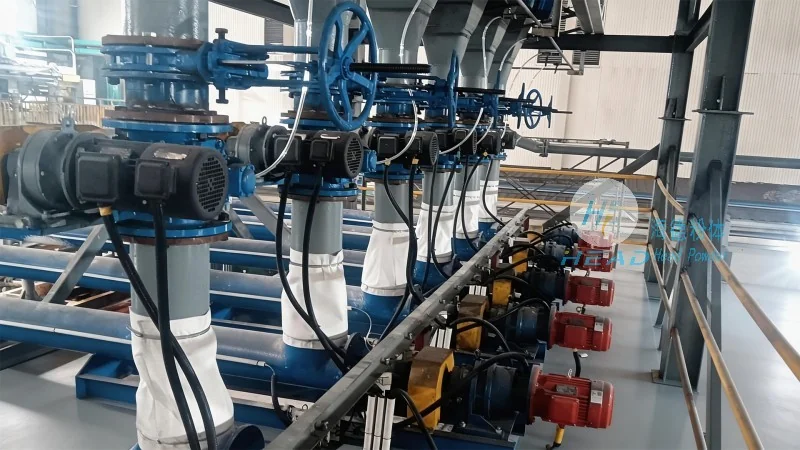
HeadPowder Engineering: Expert in Bulk Material Handling Solutions
Shandong HeadPowder Engineering Co., Ltd., a leading provider of engineering solutions for bulk material handling, specializes in designing and implementing pneumatic conveying systems tailored to the unique needs of clients in various industries. With a focus on innovation and customer satisfaction, HeadPowder offers comprehensive services, including system design, installation, and maintenance, to ensure optimal performance of aluminum sulfate handling operations. The company’s headquarters is located in Shandong, China, where it leverages advanced technology and expertise to deliver high-quality solutions for bulk material transport.
Pneumatic Conveying Systems for Aluminum Sulfate: How They Work
Pneumatic conveying systems utilize air or gas to transport bulk materials like aluminum sulfate through a network of pipes. These systems can be categorized into two main types: dilute-phase and dense-phase. Dilute-phase systems, which are commonly used for aluminum sulfate, operate by injecting air into the material stream, creating a suspension that flows through the pipeline. This method is suitable for long-distance transport and high-volume applications, offering low pressure and high velocity. Dense-phase systems, on the other hand, use higher air pressure to push the material in a more compact form, reducing the risk of material degradation and ensuring precise control over the flow rate. Both systems are designed to handle the specific characteristics of aluminum sulfate, such as its granular or powdered form, ensuring efficient and reliable transport.
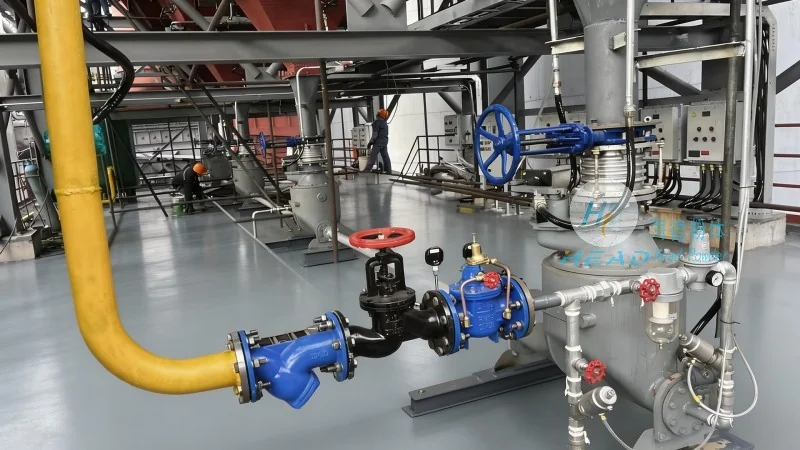
Benefits of Pneumatic Conveying for Aluminum Sulfate Handling
Implementing pneumatic conveying systems for aluminum sulfate offers numerous benefits that enhance operational efficiency and product quality. One of the key advantages is the reduction in labor costs, as automated systems minimize the need for manual handling and reduce the risk of accidents. Additionally, pneumatic conveying systems provide improved safety by eliminating the need for manual loading and unloading, which can be hazardous in industrial settings. The technology also offers enhanced process control, allowing for precise regulation of the material flow rate, which is critical for maintaining consistent product quality. Furthermore, pneumatic conveying reduces material degradation by minimizing friction and impact during transport, ensuring that the aluminum sulfate remains in its optimal condition for downstream applications. These benefits make pneumatic conveying an attractive option for industrial users seeking to optimize their aluminum sulfate handling processes.
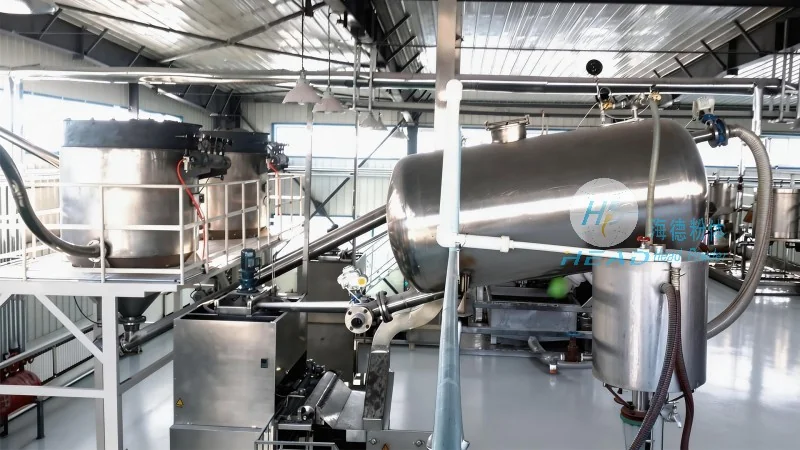
Key Considerations for Implementing Pneumatic Conveying Systems
When implementing pneumatic conveying systems for aluminum sulfate, several factors must be considered to ensure optimal performance and longevity of the equipment. First, the characteristics of the aluminum sulfate, such as its particle size, density, and moisture content, must be carefully evaluated to select the appropriate system type and design. For example, finer particles may require higher air velocities to prevent clogging, while larger particles may benefit from dense-phase systems to maintain flow. Second, the distance and layout of the transport route must be considered to determine the required air pressure and pipeline diameter. Proper system sizing is crucial to avoid excessive energy consumption or insufficient material transport. Third, material handling equipment, such as hoppers and feeders, must be designed to handle the specific properties of aluminum sulfate, ensuring smooth and consistent material flow into the conveying system. Finally, regular maintenance and monitoring of the pneumatic conveying system are essential to prevent issues such as blockages, wear, and air leaks, which can impact system performance and efficiency. By addressing these considerations, industrial users can maximize the benefits of pneumatic conveying for aluminum sulfate handling.
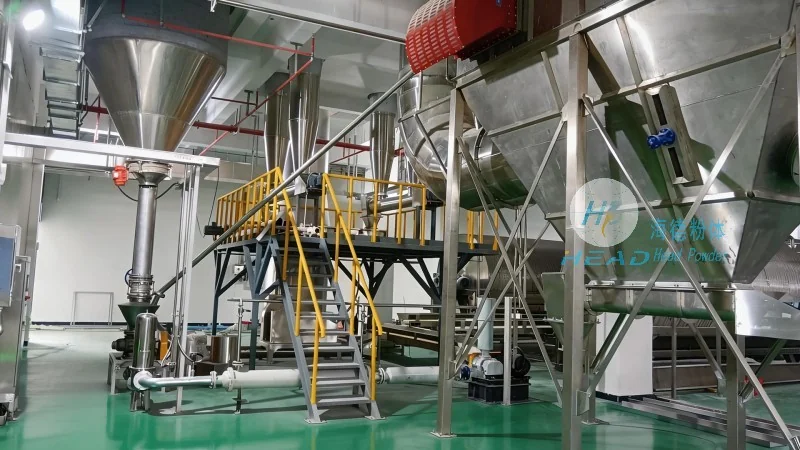
Case Studies: Successful Applications of Pneumatic Conveying in Aluminum Sulfate Handling
Several industrial applications have demonstrated the effectiveness of pneumatic conveying systems in handling aluminum sulfate. For instance, a water treatment plant in China successfully implemented a dilute-phase pneumatic conveying system to transport aluminum sulfate from storage silos to the treatment tanks. The system reduced the time required for material transport from several hours to just minutes, significantly improving the plant's operational efficiency. Another example is a paper mill that used a dense-phase system to transport aluminum sulfate to its production lines. The system's precise control over the flow rate ensured consistent product quality, leading to improved paper strength and reduced waste. These case studies highlight the versatility and effectiveness of pneumatic conveying systems in various industrial settings, demonstrating their ability to meet the specific needs of aluminum sulfate handling operations.
Conclusion: The Future of Aluminum Sulfate Bulk Handling with Pneumatic Conveying
Pneumatic conveying technology continues to play a vital role in the efficient and reliable bulk handling of aluminum sulfate, offering industrial users a cost-effective and safe solution for their material transport needs. As the demand for aluminum sulfate grows in various industries, the importance of advanced material handling systems becomes increasingly critical. Companies like Shandong HeadPowder Engineering Co., Ltd. are at the forefront of developing and implementing these systems, leveraging their expertise and innovation to meet the evolving needs of the market. By investing in pneumatic conveying systems, industrial users can enhance their operational efficiency, improve product quality, and reduce costs, ultimately contributing to their long-term success. The future of aluminum sulfate bulk handling lies in the continued advancement of pneumatic conveying technology, which will further optimize material transport and support the growth of industries relying on this essential chemical.