

Role of Pneumatic Conveying in Magnesium Silicate Transport
For industrial applications involving the transport of magnesium silicate, selecting the right material handling technology is crucial. Pneumatic conveying has emerged as a highly effective solution, offering advantages in efficiency, safety, and operational flexibility. This article explores the role of pneumatic conveying in the transport of magnesium silicate, highlighting its benefits and practical applications.
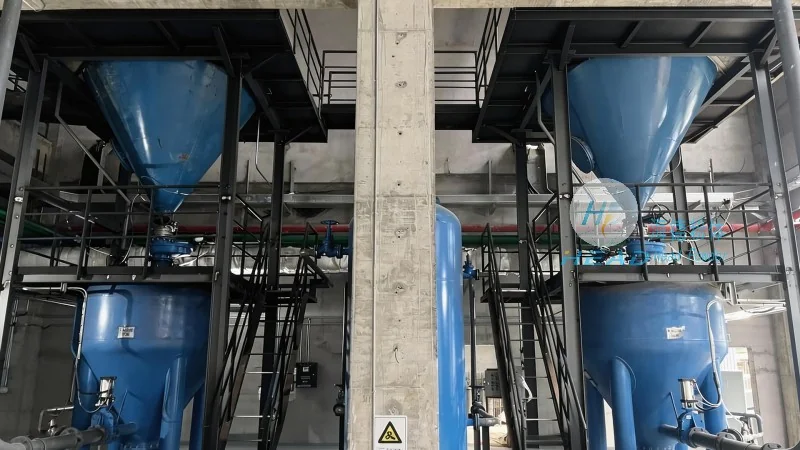
Understanding Magnesium Silicate and Its Handling Challenges
Magnesium silicate, commonly used in various industrial sectors such as construction, ceramics, and chemical manufacturing, presents unique handling challenges due to its physical properties. These materials often exhibit fine particle sizes, which can lead to issues like dust generation, clogging, and inefficient transport if traditional methods are employed. Pneumatic conveying addresses these challenges by utilizing air pressure to move materials through a pipeline system, ensuring a controlled and safe transfer process.
The Advantages of Pneumatic Conveying for Magnesium Silicate
One of the primary benefits of pneumatic conveying in magnesium silicate transport is its ability to handle fine and abrasive materials without causing damage to the product or the conveying equipment. Unlike mechanical systems that rely on moving parts and may lead to particle degradation, pneumatic systems use air to transport materials, minimizing wear and tear. Additionally, pneumatic conveying offers high throughput rates, allowing for the efficient movement of large volumes of magnesium silicate over long distances. This makes it ideal for applications where continuous material flow is required, such as in bulk production lines.
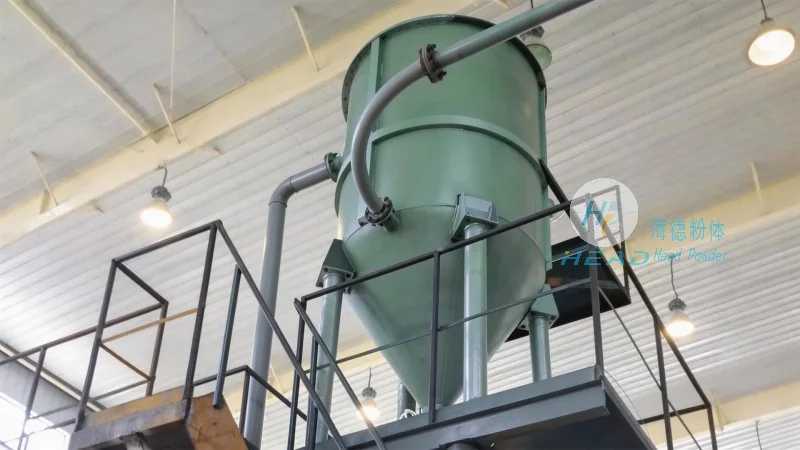
Key Components of a Pneumatic Conveying System for Magnesium Silicate
A typical pneumatic conveying system for magnesium silicate consists of several key components, each playing a vital role in the overall operation. The system includes a material feed hopper, which stores and feeds the magnesium silicate into the conveying line. A blower or compressor provides the necessary air pressure to move the material through the pipeline. The pipeline itself is designed to handle the specific characteristics of magnesium silicate, with appropriate diameters and materials to prevent clogging and ensure smooth flow. Additionally, the system may include control valves, filters, and dust collection equipment to maintain air quality and prevent environmental contamination.
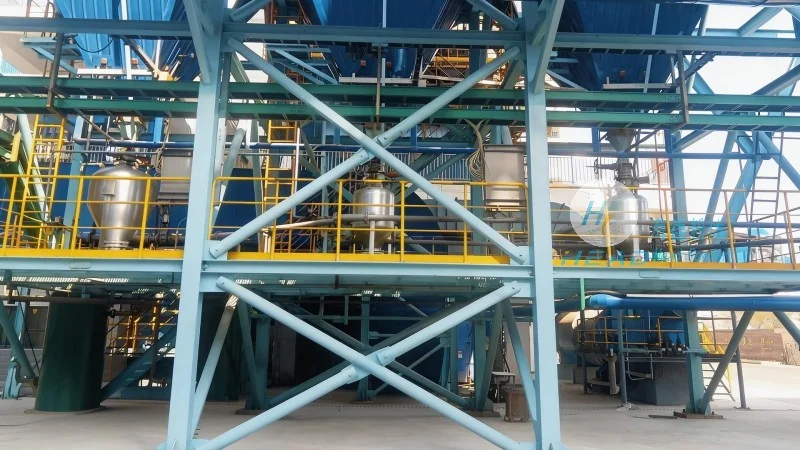
Application Examples in Industrial Settings
Pneumatic conveying is widely used in various industrial applications involving magnesium silicate. For instance, in the construction industry, magnesium silicate is used as a raw material for cement and concrete production. Pneumatic conveying systems are employed to transport the material from storage silos to mixing plants, ensuring a consistent and uninterrupted supply. In the ceramics industry, magnesium silicate is used as a flux or filler in the production of ceramic products. The pneumatic system helps in transporting the fine powder to the production lines, maintaining the quality and consistency of the final products. Similarly, in chemical manufacturing, magnesium silicate is used in the production of various chemicals and compounds. The efficient transport of this material through pneumatic systems enhances the overall production efficiency and reduces downtime.
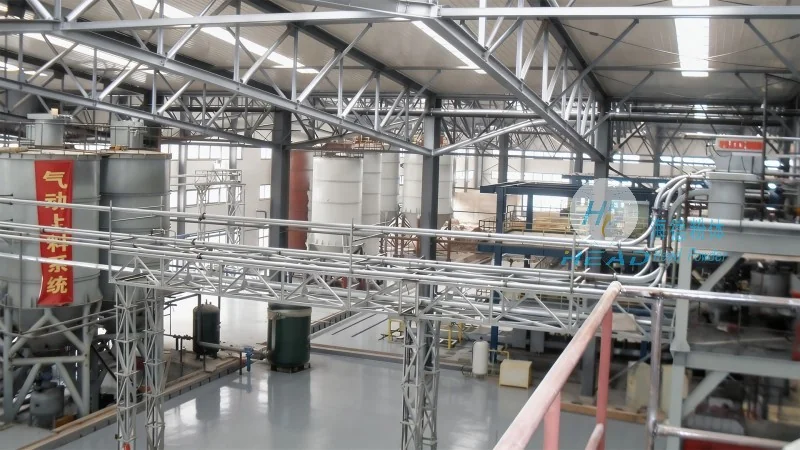
Operational Considerations and Best Practices
When implementing a pneumatic conveying system for magnesium silicate, several operational considerations must be taken into account to ensure optimal performance. First, the system must be designed to handle the specific particle size distribution and flow characteristics of the magnesium silicate. This involves selecting the appropriate blower capacity and pipeline diameter to prevent clogging and maintain consistent flow rates. Second, regular maintenance is essential to keep the system running smoothly. This includes cleaning the pipeline, replacing filters, and inspecting the blower and other components for wear and tear. Third, safety measures must be in place to prevent dust explosions and other hazards. Proper ventilation and explosion-proof equipment are critical in industrial settings where magnesium silicate is handled. By following these best practices, companies can maximize the efficiency and reliability of their pneumatic conveying systems.
Conclusion: The Role of Pneumatic Conveying in Magnesium Silicate Transport
In conclusion, pneumatic conveying plays a vital role in the efficient and safe transport of magnesium silicate in industrial applications. By leveraging air pressure to move materials through a pipeline system, this technology addresses the unique challenges associated with handling fine and abrasive materials. The advantages of high throughput, minimal product degradation, and operational flexibility make pneumatic conveying an ideal choice for industries relying on magnesium silicate. As companies continue to seek more efficient material handling solutions, the role of pneumatic conveying in magnesium silicate transport is likely to grow, contributing to improved productivity and reduced operational costs.