

Role of Pneumatic Conveying in Muscovite Transport
HeadPowder, a leading enterprise in the field of material handling technology, specializes in providing efficient and reliable solutions for the transportation of various bulk materials. Among these materials, muscovite—a type of mica mineral with significant industrial applications—requires specialized handling methods to ensure optimal performance and safety during transport. This article explores the critical role of pneumatic conveying in the efficient and safe transport of muscovite, highlighting the technical advantages and practical applications of this method.
Understanding Pneumatic Conveying and Its Relevance to Muscovite
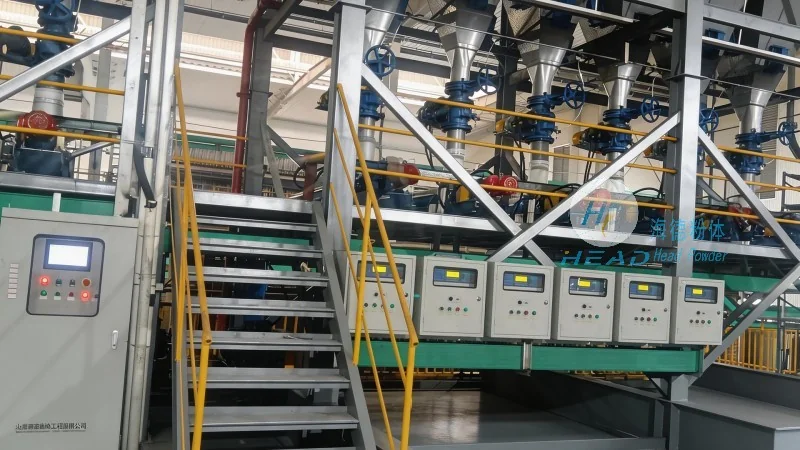
Pneumatic conveying is a technology that uses compressed air or other gases to transport bulk materials through a pipeline system. Unlike traditional mechanical conveying methods, such as belt conveyors or screw conveyors, pneumatic conveying offers several advantages that make it particularly suitable for handling delicate or abrasive materials like muscovite. The process involves creating a pressure differential within the pipeline, which propels the material along with the air stream. This method is especially effective for materials that are prone to dust generation, require minimal product degradation, or need to be transported over long distances without the need for multiple transfer points.
Key Advantages of Pneumatic Conveying for Muscovite Transport
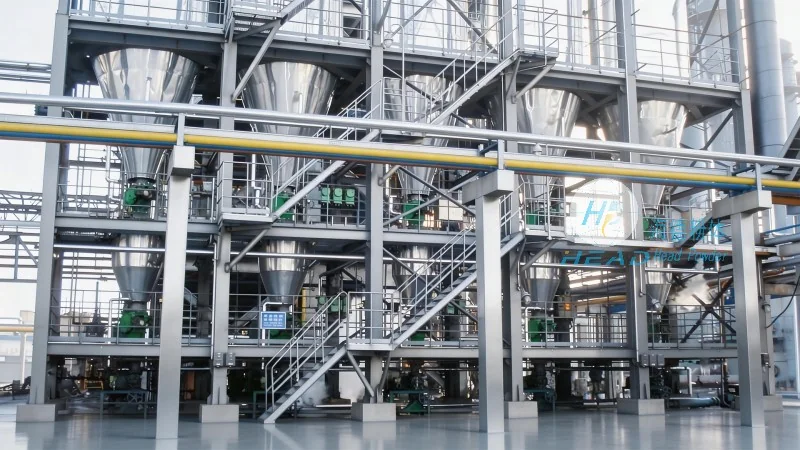
When it comes to transporting muscovite, pneumatic conveying provides numerous benefits that enhance operational efficiency and product quality. First, it minimizes the risk of material contamination and degradation. Muscovite is a fragile mineral that can easily break or lose its luster if subjected to mechanical stress or friction. Pneumatic systems use air as the conveying medium, reducing direct contact between the material particles and the pipeline walls, thereby preserving the integrity of the muscovite. Second, this method offers high flexibility in terms of layout and distance. Unlike fixed mechanical conveyors that require precise alignment and installation, pneumatic systems can be easily reconfigured or extended to accommodate changes in production processes or facility expansions. This adaptability is crucial for industrial settings where space is limited or where production lines need to be adjusted frequently. Third, pneumatic conveying reduces labor costs and operational complexity. By automating the material transport process, companies can minimize the need for manual handling, which not only improves safety but also lowers the overall cost of operation. Additionally, the absence of moving parts in the conveying line reduces maintenance requirements, leading to lower downtime and higher system reliability.
Technical Considerations for Implementing Pneumatic Conveying in Muscovite Handling
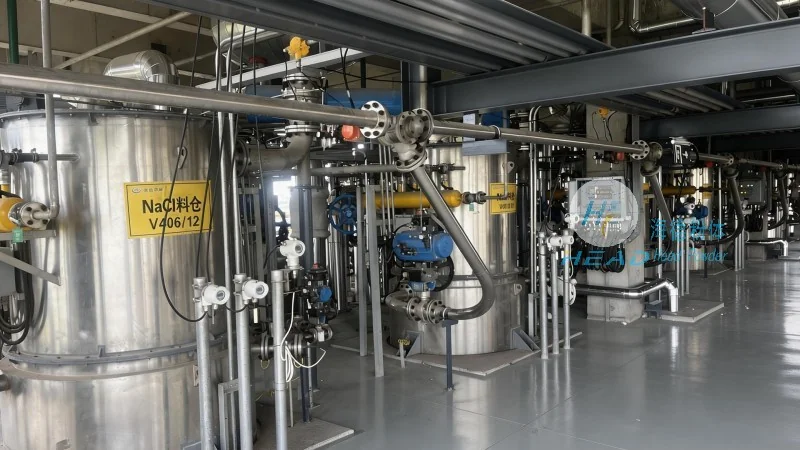
Implementing an effective pneumatic conveying system for muscovite requires careful consideration of several technical factors. The first consideration is the material's physical properties, such as particle size, density, and moisture content. Muscovite typically consists of fine particles, and the conveying system must be designed to handle these characteristics without clogging or excessive pressure drops. For instance, the choice of pipeline diameter, air velocity, and pressure levels is critical to ensure smooth material flow. A common approach is to use a positive pressure system, where air is blown into the pipeline to push the material forward, or a negative pressure system, where air is drawn out to create a vacuum that pulls the material. The selection depends on the specific application and the distance to be covered. Another important factor is the prevention of dust and air pollution. Muscovite is a fine powder that can generate significant dust during transport, which poses health and environmental risks. To mitigate this, the system should incorporate dust collection and filtration equipment, such as cyclones or bag filters, to capture and contain the dust particles. This not only protects the environment but also ensures compliance with regulatory standards. Furthermore, the system must be designed to handle variations in material flow rates. In industrial settings, the amount of muscovite being transported may fluctuate due to production changes or raw material availability. The conveying system should be equipped with adjustable controls, such as variable frequency drives (VFDs), to regulate the air flow and maintain consistent material transport rates. This flexibility allows the system to operate efficiently under varying conditions without compromising performance.
Case Study: HeadPowder's Pneumatic Conveying Solutions for a Muscovite Processing Plant
Shandong HeadPowder Engineering Co., Ltd., with its headquarters in Shandong, China, has successfully implemented pneumatic conveying systems for several muscovite processing plants. One notable case involves a client that required the transport of muscovite from a crushing and grinding unit to a storage silo over a distance of 200 meters. The existing mechanical conveyor system was causing frequent breakdowns and material degradation due to the abrasive nature of muscovite. HeadPowder designed and installed a positive pressure pneumatic conveying system that used a 150mm diameter pipeline and a 0.8MPa air pressure. The system was equipped with a cyclone separator to collect the fine dust and a bag filter to ensure clean air discharge. The results were immediate and significant: the material transport time was reduced by 40%, the product quality was maintained at a high level, and the maintenance costs were cut by 60% compared to the old system. The client reported that the new system not only improved operational efficiency but also enhanced workplace safety by eliminating manual handling of the material. This case study demonstrates the effectiveness of pneumatic conveying in addressing the unique challenges of muscovite transport and highlights the expertise of HeadPowder in providing tailored solutions for industrial clients.
Conclusion and Future Outlook
In conclusion, pneumatic conveying plays a vital role in the efficient and safe transport of muscovite, offering significant advantages over traditional mechanical methods. By leveraging the technology's ability to minimize material degradation, enhance flexibility, and reduce operational costs, companies can improve their overall productivity and competitiveness. As the demand for muscovite and other mica minerals continues to grow, the importance of reliable material handling solutions will only increase. HeadPowder, with its commitment to innovation and customer satisfaction, remains at the forefront of providing advanced pneumatic conveying systems that meet the evolving needs of the industry. For businesses looking to optimize their muscovite transport processes, pneumatic conveying is a proven and effective solution that can deliver long-term benefits and sustainable growth.