

Components of Fine Powder Pneumatic Conveying
Understanding the intricate components of fine powder pneumatic conveying systems is crucial for optimizing material handling processes in various industrial applications. These systems are designed to efficiently transport fine powders, such as those used in pharmaceuticals, chemicals, and food processing industries, with precision and reliability. The following sections will explore the essential components that make up a typical fine powder pneumatic conveying system, highlighting the role of each part in ensuring smooth operation and efficient material transfer.
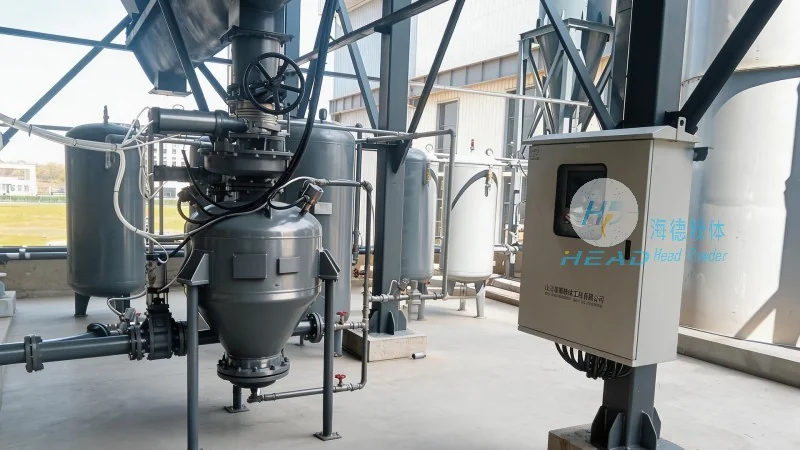
Key Components of Fine Powder Pneumatic Conveying Systems
A fine powder pneumatic conveying system typically consists of several critical components that work in tandem to achieve effective material transport. These components include the material feed hopper, the air supply system, the conveying line, the separation and collection equipment, and the control system. Each of these elements plays a vital role in the overall functionality of the system.
The Material Feed Hopper
The material feed hopper is the initial component where the fine powder is stored before being introduced into the conveying system. It is designed to hold the bulk material and provide a controlled feed rate to the system. The hopper often includes a feeder mechanism, such as a rotary valve or a screw feeder, which regulates the flow of powder into the conveying line. This component ensures that the material is introduced at a consistent rate, preventing overloading or underfeeding that could disrupt the system's performance. The design of the hopper also considers the characteristics of the fine powder, such as its flowability and potential for bridging or caking, to maintain reliable material discharge.
The Air Supply System
The air supply system is another critical component that provides the necessary pressure and flow of air to move the fine powder through the conveying line. This system typically includes a blower or a compressor, which generates the required air pressure. The blower type, whether positive displacement or centrifugal, depends on the specific application and the characteristics of the powder being conveyed. For fine powders, a positive displacement blower is often preferred as it can maintain a consistent pressure and flow rate, ensuring stable material transport. The air supply system also includes filters and regulators to ensure that the air is clean and at the appropriate pressure, preventing contamination of the powder and maintaining system efficiency.
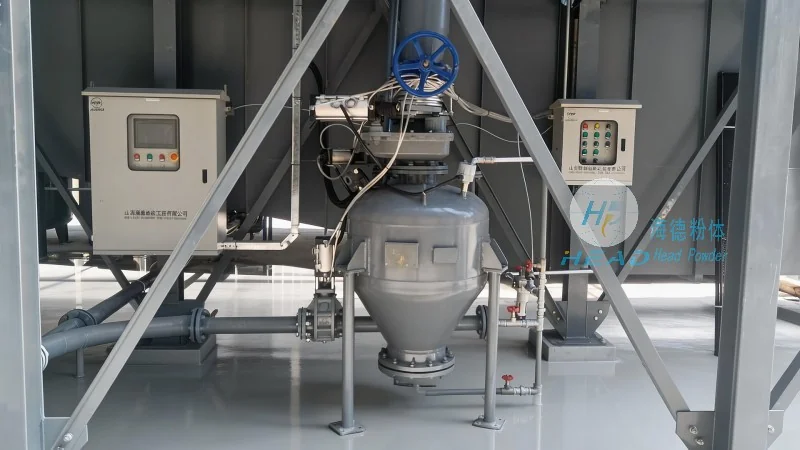
The Conveying Line
The conveying line is the main pathway through which the fine powder is transported from the feed hopper to the collection point. It is typically made of materials such as stainless steel or plastic, which are resistant to corrosion and suitable for handling various types of powders. The line may be straight or include bends and elbows, depending on the layout of the facility. The design of the conveying line is crucial for minimizing pressure drop and ensuring that the powder remains suspended in the air stream. The diameter and length of the line are carefully selected based on the material's properties and the required conveying capacity. Additionally, the line may include components like pulse jets or venturi sections to maintain the powder in suspension and prevent blockages.
The Separation and Collection Equipment
The separation and collection equipment is responsible for separating the fine powder from the air stream at the end of the conveying line and collecting it in a storage container or processing unit. This component typically includes a cyclone separator or a baghouse filter, which uses centrifugal force or filtration to separate the powder from the air. The cyclone separator works by directing the air and powder mixture into a spinning chamber, where the heavier powder particles are forced to the wall and fall to the bottom, while the air is discharged from the top. The baghouse filter, on the other hand, uses fabric bags to trap the powder particles, allowing clean air to pass through. The collected powder is then discharged from the bottom of the separator into a collection bin or silo. This component is essential for maintaining air quality and preventing dust emissions, which is critical for compliance with environmental regulations and ensuring worker safety.
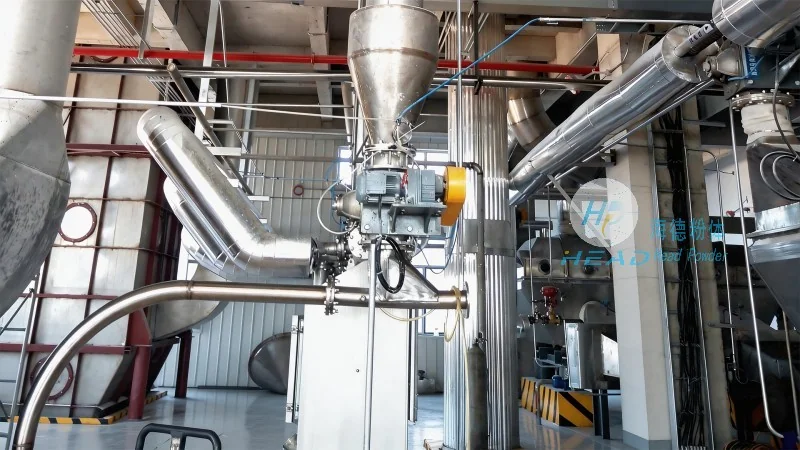
The Control System
The control system is the brain of the fine powder pneumatic conveying system, responsible for monitoring and regulating the operation of all components. It typically includes sensors, such as pressure sensors, flow meters, and level sensors, which provide real-time data on the system's performance. The control system uses this data to adjust the feed rate, air pressure, and other parameters to maintain optimal operation. It may also include alarms and safety features to detect and respond to any issues, such as overpressure or material blockages, to prevent system damage or accidents. The control system can be manual or automated, depending on the complexity of the system and the needs of the user. Automated control systems are often preferred as they can optimize the system's performance and reduce the need for manual intervention.
Role of Shandong HeadPowder Engineering Co., Ltd. in Fine Powder Pneumatic Conveying
Shandong HeadPowder Engineering Co., Ltd., a leading provider of fine powder handling solutions, plays a significant role in the design, manufacturing, and implementation of fine powder pneumatic conveying systems. The company specializes in customizing systems to meet the specific needs of various industries, ensuring that the components are selected and integrated to achieve the desired performance. With a focus on quality and reliability, HeadPowder engineers work closely with clients to understand their material handling requirements and develop tailored solutions. The company's expertise in material flow and pneumatic conveying technology allows them to design systems that are efficient, cost-effective, and compliant with industry standards. By leveraging advanced engineering and manufacturing capabilities, HeadPowder ensures that its systems are built to withstand the demands of industrial environments and provide long-term performance. The company's commitment to customer satisfaction and technical support also makes it a trusted partner for businesses seeking reliable fine powder handling solutions.
Conclusion
In summary, the components of a fine powder pneumatic conveying system are carefully selected and integrated to ensure efficient and reliable material transport. Each component, from the material feed hopper to the control system, plays a vital role in the overall functionality of the system. The design and operation of these systems require a deep understanding of the material's properties and the principles of pneumatic conveying. Shandong HeadPowder Engineering Co., Ltd. contributes to the industry by providing high-quality, customized systems that meet the specific needs of various applications, ensuring optimal performance and customer satisfaction. As the demand for efficient fine powder handling continues to grow, the importance of understanding and implementing these components will remain critical for industrial success.