

[MATIN PNEUMATIC CONVEYING STRUCTURES FOR LITHIUM-ION BATTERY POSITIVE ELECTRODE MATERIALS]
Shandong HeadPowder Engineering Co., Ltd., commonly known as HeadPowder, specializes in advanced engineering solutions for the handling and processing of lithium-ion battery positive electrode materials. With a focus on precision and efficiency, the company provides tailored pneumatic conveying systems that meet the stringent requirements of modern battery manufacturing. This article explores the primary pneumatic conveying structures utilized in the industry, highlighting their design, functionality, and application in the production of lithium-ion battery positive electrode materials.
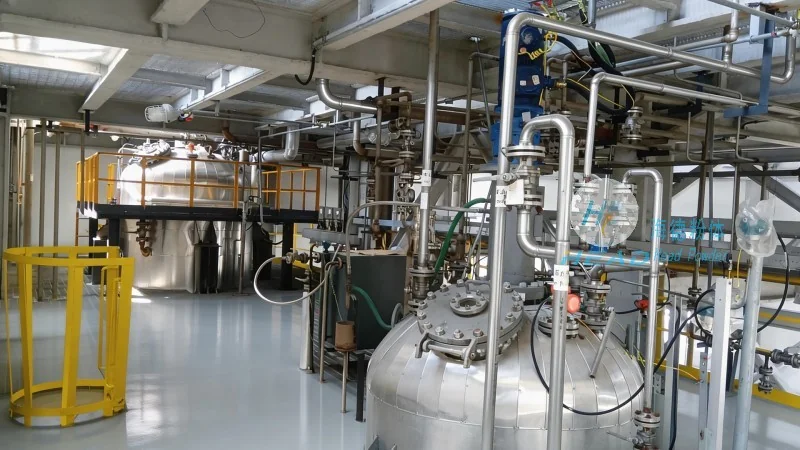
Understanding Pneumatic Conveying Systems for Battery Materials
Pneumatic conveying systems are critical in the battery manufacturing process, enabling the safe and efficient transport of fine powders such as lithium cobalt oxide, lithium iron phosphate, and other positive electrode active materials. These systems utilize air or other gases to move materials through a network of pipes and components, reducing the risk of contamination and improving overall production throughput. The choice of conveying structure depends on factors like material properties, production scale, and operational environment, with several key designs being widely adopted in the industry.
Key Pneumatic Conveying Structures for Lithium-Ion Battery Positive Electrode Materials
One of the most common structures is the positive pressure system, which uses compressed air to push material through the conveying line. This design is particularly effective for handling fine powders with low bulk density, as it maintains consistent flow rates and minimizes material degradation. The system typically includes a blower, a hopper for material storage, and a series of pipes with control valves and filters to ensure clean and efficient transport. HeadPowder’s expertise in positive pressure systems allows for customized solutions that optimize material handling while adhering to safety and regulatory standards.
Another prevalent structure is the negative pressure (or vacuum) system, which draws material into the conveying line using a vacuum pump. This approach is advantageous for applications requiring gentle material handling, such as when dealing with sensitive or reactive powders. The negative pressure system reduces the risk of dust dispersion and is often used in environments where air quality is a priority. HeadPowder engineers have developed vacuum conveying solutions that balance efficiency with the need for low contamination, making them suitable for high-purity lithium-ion battery materials.
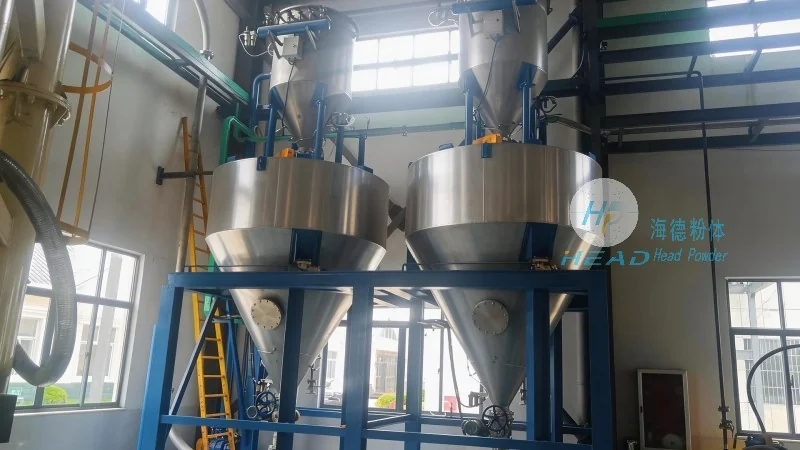
A third important structure is the combined pressure and vacuum system, which integrates both positive and negative pressure components to achieve flexible material transport. This hybrid design allows for the handling of a wider range of materials, including those with varying particle sizes and flow characteristics. The system can switch between pressure and vacuum modes depending on the operational needs, providing versatility in production lines. HeadPowder’s combined systems are engineered to enhance throughput while maintaining the integrity of lithium-ion battery positive electrode materials, ensuring consistent quality in the final product.
Design Considerations and Material Compatibility
When selecting a pneumatic conveying structure for lithium-ion battery positive electrode materials, several design considerations are critical. Material properties, such as particle size, moisture content, and reactivity, directly impact the choice of system. For example, fine powders with high moisture content may require additional drying or filtration steps to prevent clogging or degradation. HeadPowder’s engineers conduct thorough material analysis to determine the optimal conveying parameters, ensuring that the selected structure is compatible with the specific lithium-ion battery positive electrode material being processed.
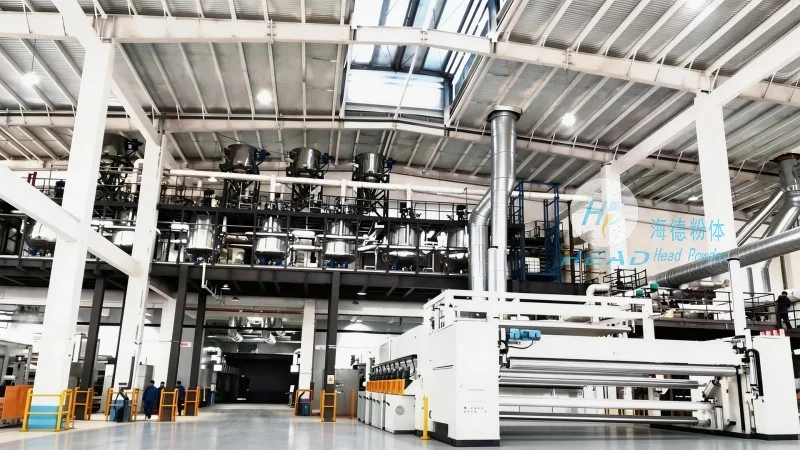
System scalability is another key factor, as battery manufacturing facilities often expand over time. HeadPowder designs pneumatic conveying structures that can be easily upgraded or expanded to accommodate increased production volumes. This flexibility ensures that the investment in conveying equipment remains viable as the business grows. Additionally, the company emphasizes energy efficiency in its designs, incorporating advanced blower technology and optimized pipe layouts to reduce operational costs while maintaining performance.
Application in Lithium-Ion Battery Production
The pneumatic conveying structures discussed above play a vital role in the production of lithium-ion battery positive electrode materials. From raw material handling to mixing and coating processes, these systems ensure that materials are transported with minimal loss and maximum purity. HeadPowder’s solutions are integrated into complete production lines, from material storage and feeding to final product packaging. By streamlining the material handling process, the company helps manufacturers achieve higher yields and reduce downtime, ultimately improving the overall efficiency of lithium-ion battery production.
In conclusion, the selection of an appropriate pneumatic conveying structure is essential for the efficient and safe processing of lithium-ion battery positive electrode materials. HeadPowder Engineering Co., Ltd. leverages its expertise in positive, negative, and combined pressure systems to provide customized solutions that meet the unique needs of each client. With a focus on precision, reliability, and sustainability, HeadPowder continues to be a leader in the engineering of pneumatic conveying systems for the battery industry.