

Components of Gypsum Pneumatic Conveying Systems
Gypsum, a widely used construction material, often requires efficient handling and transportation from production sites to processing facilities or end-users. Pneumatic conveying systems have emerged as a reliable solution for this purpose, offering advantages such as dust control, reduced labor costs, and the ability to transport materials over long distances. Understanding the components that make up a gypsum pneumatic conveying system is crucial for optimizing performance and ensuring safe operation. This article provides an overview of the key elements involved in such systems, tailored to the expertise of Shandong HeadPowder Engineering Co., Ltd., a leading provider in the field.
Key Components of Gypsum Pneumatic Conveying Systems
A gypsum pneumatic conveying system typically consists of several interconnected components, each playing a vital role in the overall operation. The primary components include the material feed hopper, the conveying pipeline, the air mover (usually a blower or fan), the material separator, and the discharge equipment. Each component must be carefully selected and integrated to ensure efficient and reliable transport of gypsum particles.
The Material Feed Hopper
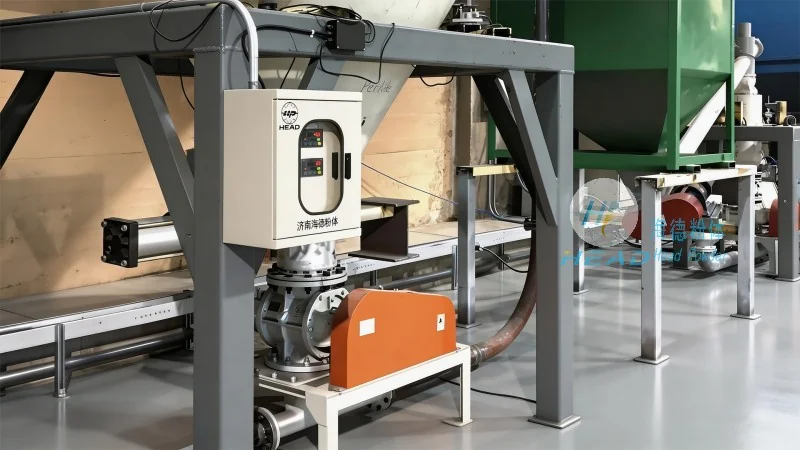
The material feed hopper is the initial component where raw gypsum is introduced into the system. It serves as a storage and feeding device, ensuring a consistent flow of material into the conveying line. The hopper is designed to accommodate the bulk volume of gypsum and is equipped with a feeding mechanism, such as a rotary valve or a screw feeder, to control the rate of material discharge. This component is critical for maintaining a steady flow rate, which directly impacts the efficiency of the entire system. The design of the hopper also considers factors like material flow characteristics, to minimize blockages and ensure smooth operation.
The Conveying Pipeline
The conveying pipeline is the backbone of the pneumatic system, responsible for transporting gypsum particles along the desired path. These pipelines are typically made of materials such as stainless steel or PVC, chosen for their durability and resistance to corrosion from gypsum dust. The pipeline system includes straight sections, bends, and transitions, all designed to minimize pressure losses and maintain the velocity of the air-gypsum mixture. The diameter and length of the pipeline are carefully calculated based on the material's properties, the required conveying capacity, and the distance to be covered. Properly sized and installed pipelines are essential for achieving optimal conveying efficiency and preventing material deposition or blockages.
The Air Mover (Blower or Fan)
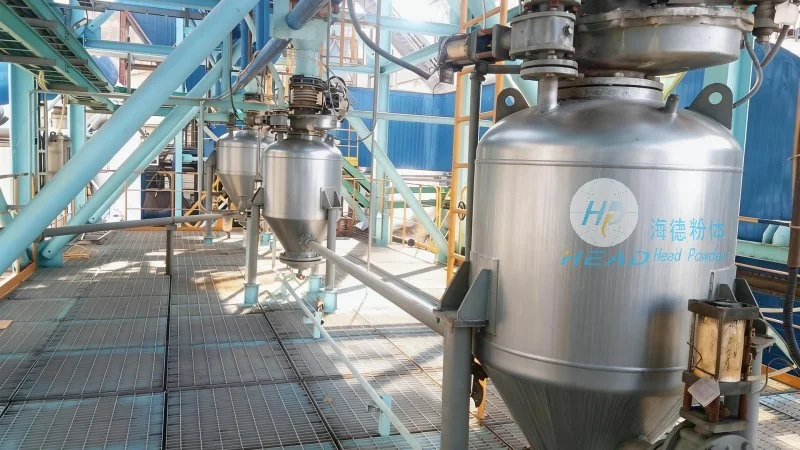
The air mover is the power source that generates the necessary airflow to transport gypsum particles through the pipeline. It is typically a positive displacement blower or a centrifugal fan, selected based on the system's required air volume and pressure. The blower provides high-pressure, low-volume air, ideal for short to medium-distance conveying, while the fan offers lower pressure but higher volume, suitable for longer distances. The air mover must be capable of maintaining the required velocity in the pipeline to keep the gypsum particles suspended and prevent settling. Proper maintenance and selection of the air mover are crucial to ensure consistent performance and energy efficiency.
The Material Separator
The material separator, also known as a cyclone or a baghouse, is a critical component for separating the gypsum particles from the air stream at the end of the conveying line. As the air-gypsum mixture enters the separator, centrifugal forces cause the heavier gypsum particles to be separated and collected in a hopper. The cleaned air is then discharged to the atmosphere or recirculated back into the system, depending on the system design. The separator's efficiency is determined by its design, size, and the velocity of the air entering it. A well-designed separator ensures that the gypsum is recovered with minimal loss and that the air is effectively cleaned before release.
Discharge Equipment
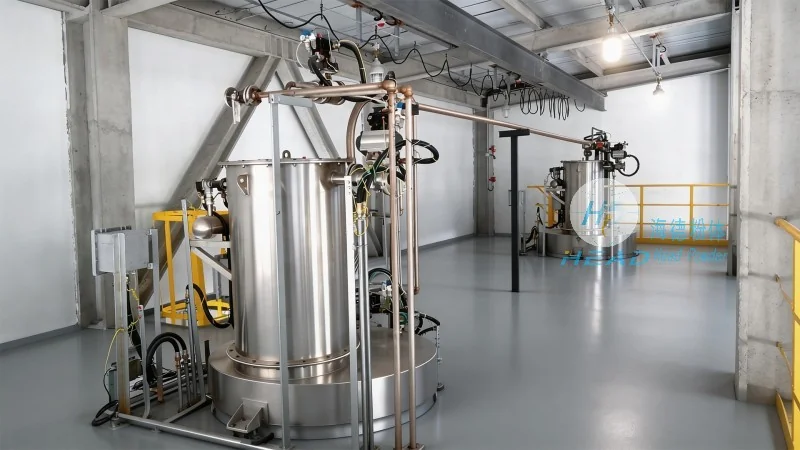
The discharge equipment is the final component in the system, responsible for delivering the gypsum to its destination. This can include a rotary valve, a screw conveyor, or a storage silo, depending on the downstream application. The discharge equipment must be capable of handling the bulk density of the gypsum and preventing any material buildup or blockages. It is often integrated with the separator to ensure a smooth transition from the conveying line to the storage or processing facility. Properly designed discharge equipment ensures that the gypsum is delivered in a controlled manner, maintaining the system's overall efficiency and preventing operational issues.
System Integration and Control
Beyond the individual components, the integration and control of the entire pneumatic conveying system are essential for optimal performance. Modern systems often include automated controls, such as variable frequency drives (VFDs) for the air mover, and sensors to monitor pressure, flow rate, and material level. These controls allow for real-time adjustments to maintain the desired conveying conditions, ensuring consistent performance even with varying material feed rates. The integration of these control systems enhances the reliability and efficiency of the gypsum pneumatic conveying system, reducing downtime and operational costs.
Considerations for Gypsum Pneumatic Conveying
When designing or operating a gypsum pneumatic conveying system, several factors must be considered to ensure successful implementation. The first is the physical properties of the gypsum, including its particle size distribution, bulk density, and moisture content. These properties affect the system's design, such as the required air velocity and pipeline diameter. The second is the distance and layout of the conveying path, which influences the selection of components like the air mover and the number of bends in the pipeline. Additionally, the system must comply with safety regulations, particularly regarding dust explosion prevention and air quality standards. Proper maintenance and regular inspections are also critical to ensure the long-term reliability and efficiency of the system.