

What is Alumina Particle Pneumatic Conveying? An Introduction to the Working Principle of Powder Han
Alumina, a widely used industrial material, often requires efficient and reliable transportation methods for its handling. Pneumatic conveying, particularly with alumina particles, is a critical technology in the powder handling industry. This article aims to explain the concept of alumina particle pneumatic conveying and delve into the fundamental working principles of powder handling systems that utilize this method.
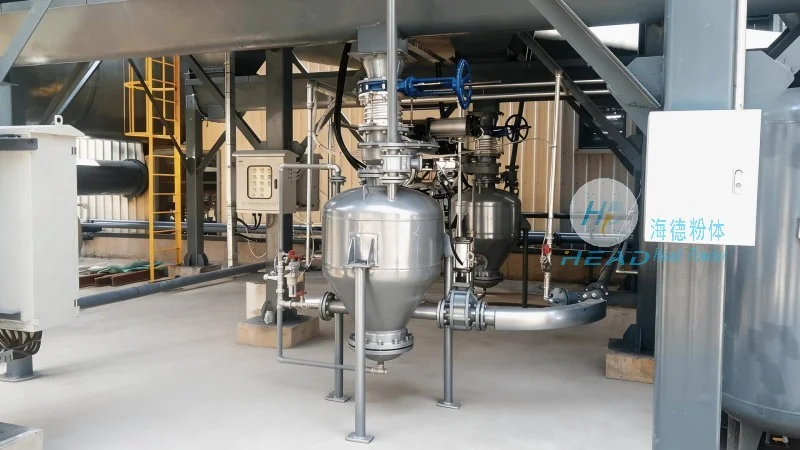
HeadPowder: A Leader in Powder Handling Solutions
HeadPowder, a leading company in the field, specializes in providing advanced solutions for material handling, including pneumatic conveying systems for various powders such as alumina. With a strong presence in Shandong, China, HeadPowder Engineering Co., Ltd. has established itself as a trusted provider of engineering solutions tailored to the needs of industries dealing with fine and bulk materials.
The Working Principle of Pneumatic Conveying Systems
The process of pneumatic conveying involves the transport of solid particles, like alumina, using a gas stream, typically air or other gases. This method offers several advantages over traditional mechanical conveying, including reduced equipment wear, lower maintenance costs, and the ability to handle materials in a closed system, minimizing dust emissions and environmental impact. Additionally, pneumatic conveying can handle a wide range of particle sizes and densities, making it suitable for diverse applications in industries such as ceramics, chemicals, and pharmaceuticals.
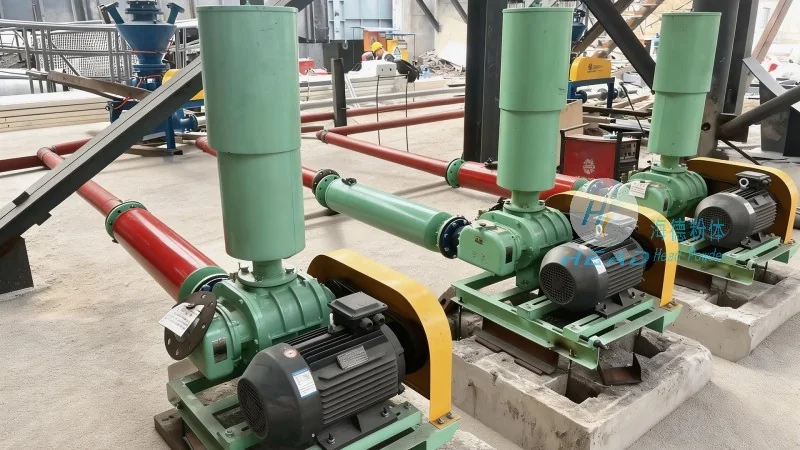
Core Components and System Design
At the core of a pneumatic conveying system is the air compressor or blower, which generates the necessary pressure to move the particles. The system typically consists of a hopper to store the alumina, a feed mechanism to introduce the material into the conveying line, a conveying pipe (often equipped with bends and elbows), a venturi or eductor to create the suction or pressure differential, and a receiver to collect the material at the destination. The gas stream, often introduced through a venturi, creates a pressure drop that draws the alumina particles into the flow, ensuring consistent transport.
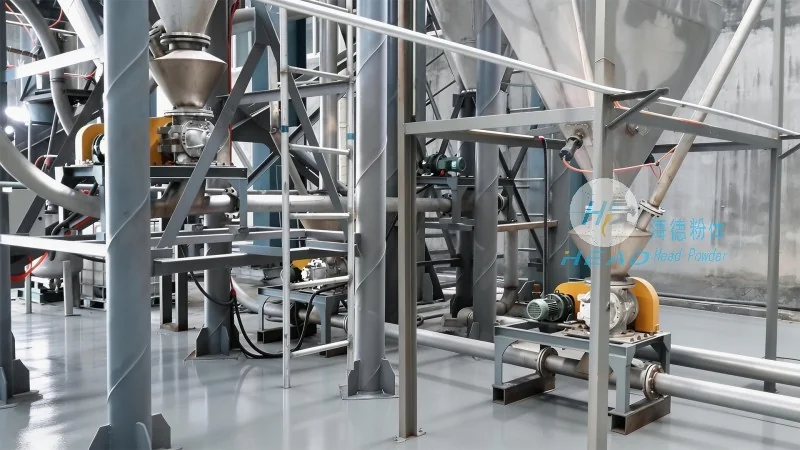
Challenges and Solutions for Alumina Handling
For alumina particles, which are often fine and abrasive, the design of the pneumatic conveying system is crucial. The system must be constructed from materials that can withstand the abrasive nature of the particles, such as stainless steel or specialized alloys, to prevent wear and ensure long-term operation. The pipe diameter and length are also carefully selected to maintain optimal particle velocity, typically ranging from 20 to 30 meters per second, to prevent blockages and ensure efficient transport. HeadPowder engineers meticulously calculate these parameters to ensure the system operates within safe and efficient limits.
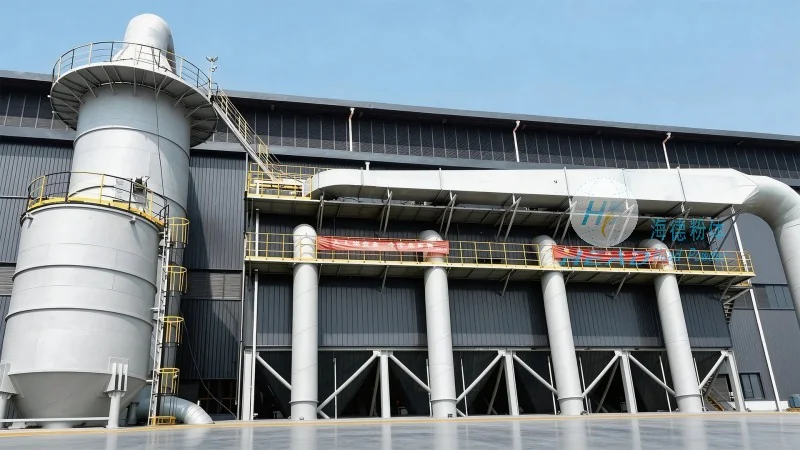
Customized Solutions by HeadPowder Engineering Co., Ltd.
HeadPowder Engineering Co., Ltd., based in Shandong, China, offers customized pneumatic conveying solutions that cater to the specific requirements of alumina handling. Their expertise lies in designing systems that balance efficiency, durability, and cost-effectiveness, ensuring that clients can achieve reliable material transport while adhering to industry standards and safety regulations. The company’s team of engineers works closely with clients to understand their operational needs, material characteristics, and production volumes, then develops a tailored solution that maximizes performance and minimizes downtime.
Conclusion: Enhancing Material Handling with Pneumatic Conveying
In conclusion, alumina particle pneumatic conveying is a sophisticated method of powder handling that leverages the principles of fluid dynamics to transport materials efficiently. By understanding the working principles of such systems and leveraging the expertise of companies like HeadPowder, industries can enhance their material handling processes, improve operational efficiency, and reduce environmental impact. The combination of advanced engineering and reliable materials ensures that alumina can be transported safely and effectively, supporting the smooth operation of various industrial processes.