

Principle of Glass Bead Pneumatic Conveying System
Glass bead pneumatic conveying systems represent a sophisticated method for transporting fine particulate materials, such as glass beads, through an enclosed pipeline using air or gas as the conveying medium. This technology is widely utilized in various industrial applications due to its efficiency, flexibility, and ability to handle materials that are difficult to transport via traditional mechanical means. The system operates on the principle of creating a pressure differential that propels the material along the pipeline, ensuring a reliable and continuous flow.
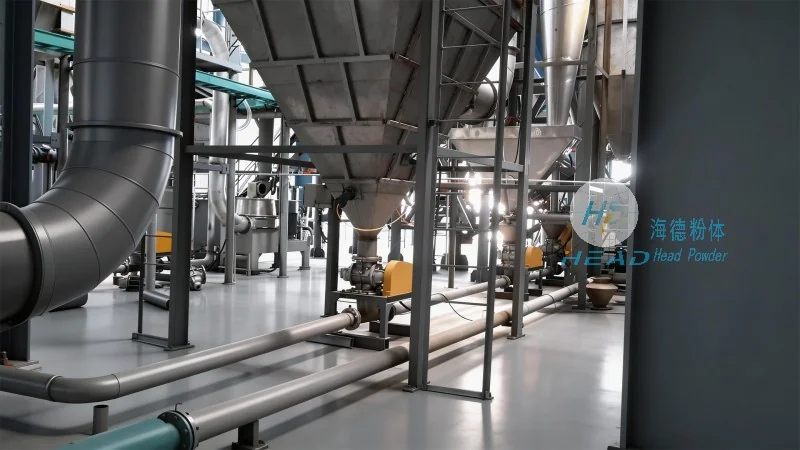
Core Components of the Pneumatic Conveying System
The glass bead pneumatic conveying system comprises several key components that work in tandem to achieve effective material transport. These components include the material hopper, which serves as the storage and feeding unit, ensuring a consistent supply of glass beads. The feeder, typically a rotary valve or a screw feeder, regulates the flow rate of the material into the conveying line. The conveying pipeline itself, often made of stainless steel or other corrosion-resistant materials, is designed to withstand the pressure and temperature conditions of the system. The air compressor or blower generates the necessary airflow, creating the pressure differential required for material movement. Additionally, the system may include a filter or separator to remove any air contaminants and a receiver or discharge hopper at the end of the pipeline to collect the conveyed glass beads.
Working Principle of the Pneumatic Conveying Process
The operation of the glass bead pneumatic conveying system is based on the fundamental principle of fluidization and pneumatic transport. When air is introduced into the material hopper or the conveying pipeline, it creates a low-pressure zone that draws the glass beads into the pipeline. The air flow, controlled by the blower or compressor, accelerates the material, allowing it to travel through the pipeline. The system can operate in either pressure or vacuum mode, depending on the application requirements. In pressure systems, the air is compressed and introduced at the inlet, while in vacuum systems, a vacuum is created at the discharge end to pull the material through the pipeline. The velocity of the air and the size of the glass beads are critical factors that determine the efficiency of the conveying process. Proper air velocity ensures that the glass beads remain in suspension and are transported without clogging or degradation.
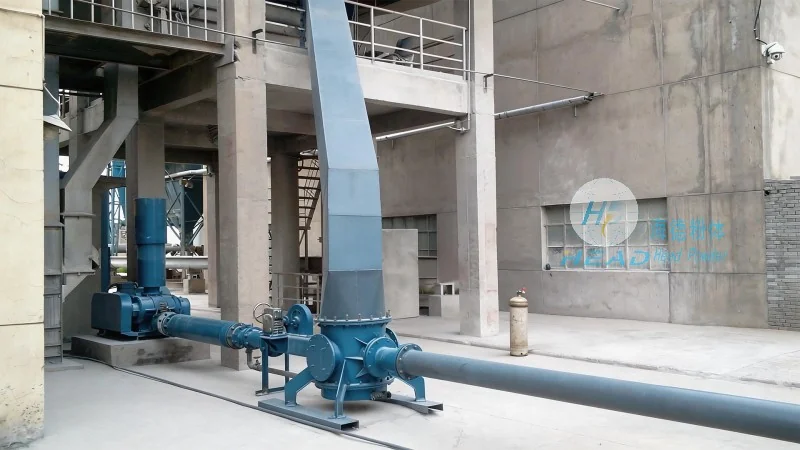
Advantages of Glass Bead Pneumatic Conveying Systems
One of the primary advantages of glass bead pneumatic conveying systems is their ability to handle fine, abrasive, or dusty materials without the need for mechanical components that could wear out or cause contamination. The enclosed pipeline design minimizes dust emissions and protects the material from external contaminants, making it suitable for applications where product purity is paramount. Additionally, the system offers high flexibility, as it can be easily reconfigured or expanded to accommodate changes in production volume or material types. The continuous operation of the system reduces downtime and increases overall productivity, contributing to cost savings in industrial settings. Furthermore, the system is relatively low maintenance compared to traditional mechanical conveying systems, as it has fewer moving parts that require regular servicing.
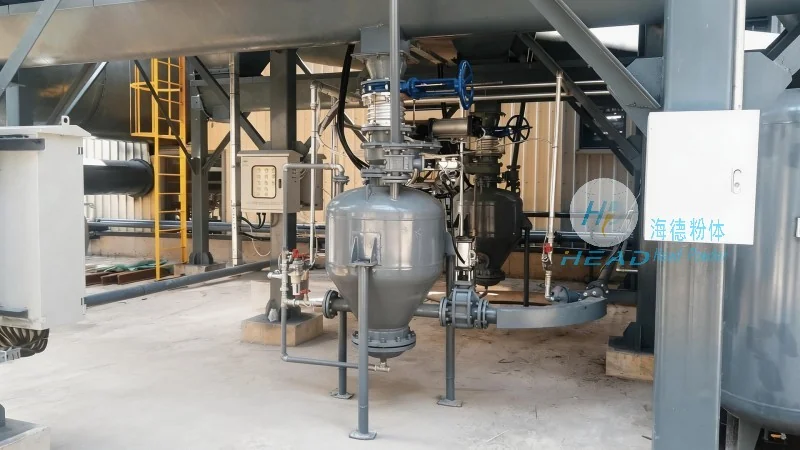
Applications in Industrial Settings
Glass bead pneumatic conveying systems are widely used in various industries, including the glass manufacturing sector, where they are employed to transport raw materials such as silica sand and cullet. In the pharmaceutical and food industries, these systems are utilized to convey fine powders and granules, ensuring that the materials remain sterile and free from contamination. The automotive industry also benefits from this technology, as it is used to transport abrasive materials like glass beads for polishing and finishing processes. Other applications include the chemical industry, where the system is used to convey various powders and granules, and the mining industry, where it is employed to transport fine minerals and ores.
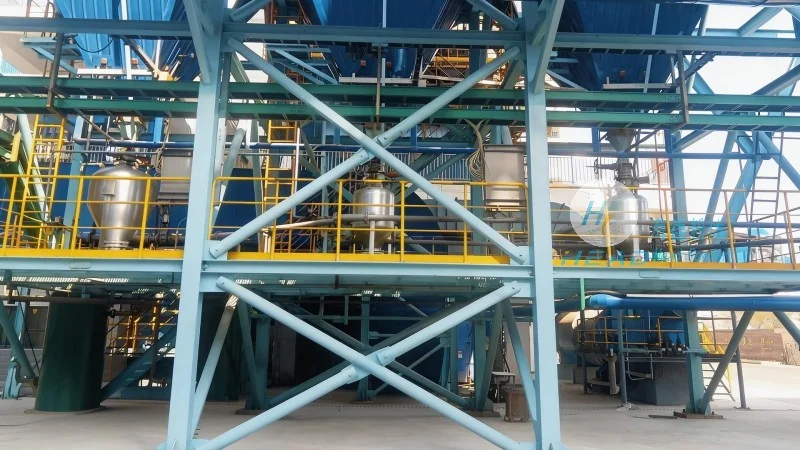
Company Overview: Shandong HeadPowder Engineering Co., Ltd.
Shandong HeadPowder Engineering Co., Ltd., operating under the brand name headpowder, is a leading manufacturer and supplier of glass bead pneumatic conveying systems. The company is headquartered in Shandong, China, and has established itself as a trusted partner in the industrial material handling sector. With years of experience and a commitment to innovation, headpowder provides high-quality, customized solutions tailored to the specific needs of its clients. The company's products are designed to meet international standards and are backed by a team of skilled engineers and technicians who offer comprehensive support, including installation, maintenance, and technical assistance. Headpowder's focus on quality and customer satisfaction has enabled it to build a strong reputation in the industry, serving a diverse range of clients across various sectors.
Conclusion
Glass bead pneumatic conveying systems represent an efficient and reliable solution for transporting fine particulate materials in industrial applications. The system's ability to handle abrasive and dusty materials, combined with its flexibility and low maintenance requirements, makes it an attractive option for many industries. With the expertise and commitment of companies like Shandong HeadPowder Engineering Co., Ltd., the technology continues to advance, providing enhanced performance and improved productivity for industrial operations worldwide.