

What is Sugar Pneumatic Conveying Equipment? And What Are Its Design Principles?
For industries dealing with bulk materials like sugar, efficient and reliable material handling is crucial. Among the various technologies available, sugar pneumatic conveying equipment stands out as a sophisticated solution that ensures safe, clean, and efficient transport of granular or powdered sugar. This equipment utilizes air as the primary medium to move sugar from one location to another, eliminating the need for mechanical components that might cause contamination or damage to the product. In this article, we will explore the fundamental aspects of sugar pneumatic conveying equipment, including its design principles and the technology behind its operation.
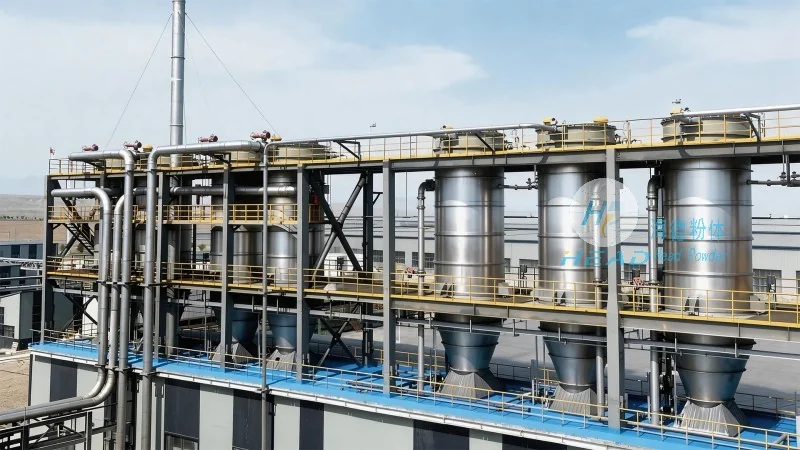
Understanding Sugar Pneumatic Conveying Equipment
Sugar pneumatic conveying equipment is a system designed to transport sugar in a fluidized or suspended state using compressed air. The system typically consists of a hopper for material storage, a conveyor line where the sugar is carried by air, and a receiver for the final discharge. The core of this technology lies in the ability to create a consistent flow of air that lifts and propels the sugar particles through the pipeline. This method is particularly advantageous for sugar processing plants as it minimizes product degradation, reduces labor costs, and enhances overall operational efficiency.
The Design Principles of Sugar Pneumatic Conveying Systems
The design of a sugar pneumatic conveying system is governed by several key principles that ensure optimal performance and reliability. First, the system must maintain a consistent air pressure and flow rate to achieve uniform material transport. This is achieved through the use of high-quality air compressors and pressure regulators that control the air supply to the conveyor line. Second, the system incorporates appropriate air-to-material ratios, which is critical for preventing blockages and ensuring smooth operation. The ratio is determined based on the particle size, density, and moisture content of the sugar, as these factors directly impact the air's ability to lift the particles.
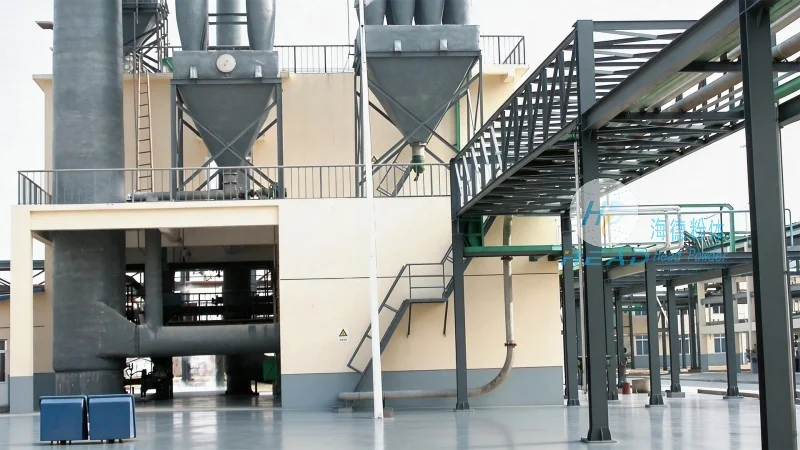
Third, the design considers the material's characteristics, such as its flowability and abrasiveness. Sugar particles are generally free-flowing but can be abrasive to metal surfaces, so the equipment is often constructed with materials like stainless steel or special coatings to minimize wear and maintain product purity. Additionally, the system includes features like pulse-jet or rotary valves to control the flow of sugar and prevent clogging. These components work together to create a self-cleaning mechanism that keeps the conveyor line clear and operational.
Key Components and Their Functions
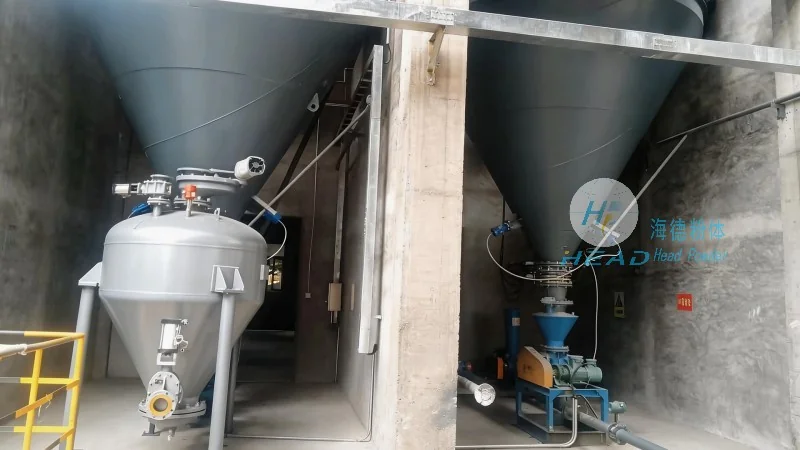
A typical sugar pneumatic conveying system includes several essential components, each playing a vital role in the overall operation. The hopper, where sugar is stored, is equipped with a feeder that controls the flow of material into the conveyor line. The feeder may be a rotary valve or a screw conveyor, depending on the system's design, and it ensures a steady supply of sugar without causing overloading or underflow. The conveyor line itself is made of durable materials, often stainless steel, and is designed to withstand the pressure and friction of the moving sugar particles.
The air compressor is another critical component, responsible for generating the necessary pressure to move the sugar. It must be capable of maintaining a consistent pressure, typically ranging from 5 to 15 bar, depending on the system's capacity and the distance the sugar needs to travel. The pressure regulator ensures that the air pressure remains stable, preventing fluctuations that could disrupt the conveying process. The receiver, or discharge hopper, collects the sugar at the end of the conveyor line and is equipped with a discharge valve to control the final release of the material.
Advantages of Using Sugar Pneumatic Conveying Equipment
Implementing sugar pneumatic conveying equipment offers numerous benefits for sugar processing facilities. Firstly, it provides a hygienic and clean method of transport, as the system is enclosed and prevents contamination from external sources. This is particularly important for food-grade products like sugar, where purity and safety are paramount. Secondly, the equipment reduces the risk of product damage, as the sugar is transported in a suspended state rather than being crushed or broken by mechanical conveyors. This helps maintain the quality and market value of the sugar.
Thirdly, the system enhances operational efficiency by reducing labor costs and minimizing downtime. Unlike traditional belt or bucket elevators, pneumatic conveyors require less maintenance and can operate continuously without frequent adjustments. Additionally, the self-cleaning features of the system reduce the need for manual cleaning, saving time and resources. Finally, the flexibility of the system allows for easy integration with existing production lines, making it a cost-effective solution for upgrading or expanding sugar processing operations.
Applications in Sugar Processing
Sugar pneumatic conveying equipment is widely used in various stages of sugar processing, from raw sugar handling to refined sugar packaging. In the raw sugar stage, the equipment is used to transport sugar from storage silos to processing units, where it is refined into white sugar. The system ensures that the raw sugar is moved efficiently without causing degradation or contamination. In the refined sugar stage, the equipment is used to transport the final product from the refinery to packaging lines, where it is packaged into bags or containers for distribution.
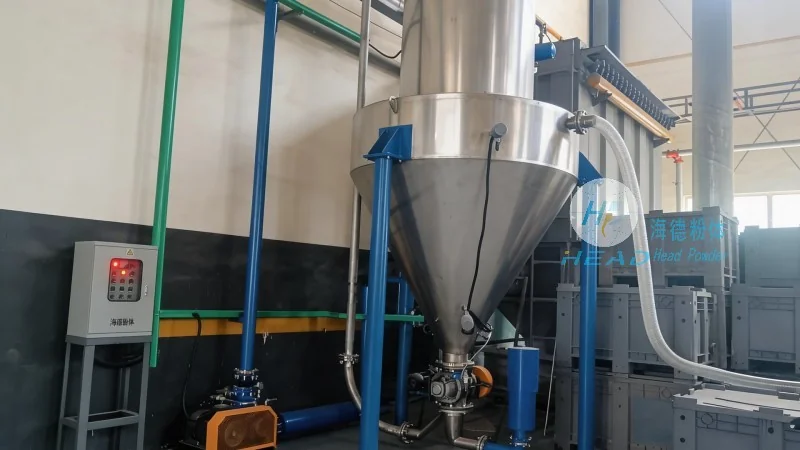
Additionally, the equipment is used in sugar mills and refineries to transport byproducts such as molasses or bagasse. These materials are often transported using pneumatic systems due to their bulk and the need for hygienic handling. The system's ability to handle different types of sugar products makes it a versatile solution for various applications within the sugar industry.
Conclusion
Sugar pneumatic conveying equipment is a vital technology in the sugar processing industry, offering a reliable and efficient method for transporting sugar and related products. Its design principles, based on air pressure and material characteristics, ensure optimal performance and minimal product damage. The system's components, including hoppers, conveyors, and air compressors, work together to create a seamless operation that enhances productivity and maintains product quality. For companies in the sugar industry, investing in such equipment is a strategic decision that improves operational efficiency, reduces costs, and ensures compliance with industry standards.