

What is Polyethylene Material Handling? And What Are Its Design Principles?
Understanding polyethylene material handling and its design principles is crucial for industries that rely on efficient and reliable transport of polyethylene materials. This article explores the fundamental aspects of polyethylene material handling systems, focusing on the core design principles that ensure optimal performance and safety.
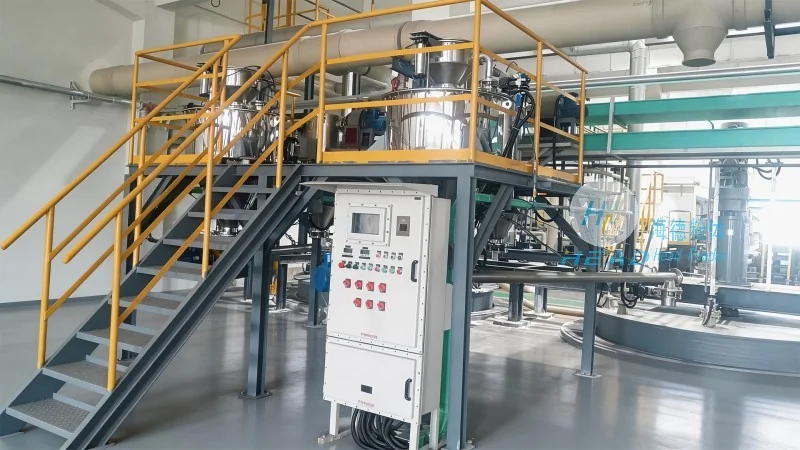
Polyethylene Material Handling: An Overview
Polyethylene (PE) is a widely used thermoplastic polymer known for its flexibility, durability, and resistance to chemicals and moisture. Material handling refers to the processes involved in moving, storing, and controlling PE materials from production to end-use applications. Effective polyethylene material handling systems are essential for maintaining production efficiency, reducing operational costs, and ensuring product quality.
Key Design Principles for Polyethylene Material Handling
The design of polyethylene material handling systems follows several critical principles to accommodate the unique properties of PE. These principles include:
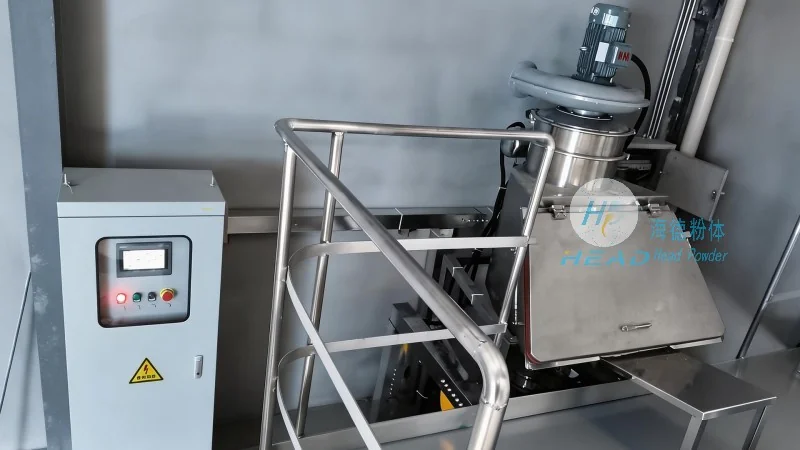
- Material Compatibility: Ensuring that all components of the handling system are compatible with polyethylene to prevent degradation or contamination.
- Flow Optimization: Designing systems that facilitate smooth and continuous flow of PE materials, minimizing friction and resistance.
- Load Handling Capacity: Determining the appropriate load capacity based on the size, weight, and density of polyethylene products to avoid overloading and equipment failure.
- Safety and Ergonomics: Incorporating safety features and ergonomic designs to protect operators and enhance user experience during material handling operations.
- Integration with Production Processes: Designing systems that seamlessly integrate with existing production lines to maintain workflow continuity.
Components and Technologies in Polyethylene Material Handling
Polyethylene material handling systems typically consist of several key components and technologies, including:
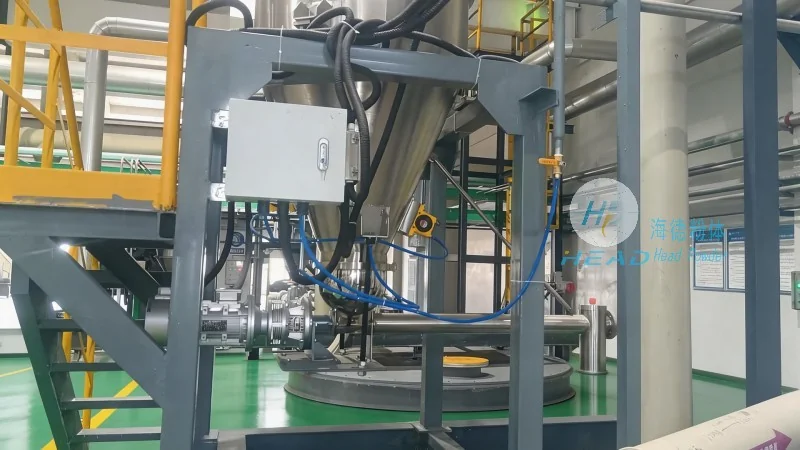
- Conveyors: Such as belt conveyors, screw conveyors, and chain conveyors, which are commonly used to transport PE materials over short to medium distances.
- Storage Solutions: Including silos, hoppers, and bulk storage tanks designed to store PE materials in bulk form, ensuring stable and controlled inventory.
- Pneumatic Conveying: Systems that use air or gas to transport PE particles or pellets, offering flexibility in material movement and reduced mechanical wear.
- Automation and Control Systems: Advanced control systems and automation technologies that monitor and regulate material flow, ensuring precision and consistency.
Applications of Polyethylene Material Handling
Polyethylene material handling systems are widely used in various industries, including:

- Plastic Manufacturing: For transporting PE pellets or granules from storage to processing machines.
- Petroleum and Chemical Industries: For handling PE products used in piping, containers, and packaging.
- Food and Beverage: For transporting PE packaging materials and containers in food processing facilities.
- Construction: For handling PE-based construction materials such as pipes and insulation.
Benefits of Proper Polyethylene Material Handling
Implementing effective polyethylene material handling systems offers several benefits, including:
- Increased Efficiency: Streamlined material flow reduces downtime and improves production throughput.
- Cost Reduction: Minimizes material waste, labor costs, and equipment maintenance expenses.
- Enhanced Product Quality: Prevents contamination and damage to PE products, ensuring consistent quality.
- Improved Safety: Reduces the risk of accidents and injuries associated with manual material handling.
Conclusion
Designing and implementing polyethylene material handling systems based on sound engineering principles is essential for optimizing industrial operations. By considering material compatibility, flow optimization, and safety, companies can achieve efficient and reliable transport of polyethylene materials. Shandong HeadPowder Engineering Co., Ltd. specializes in providing tailored polyethylene material handling solutions to meet the diverse needs of various industries, ensuring that clients achieve their operational goals with minimal challenges.